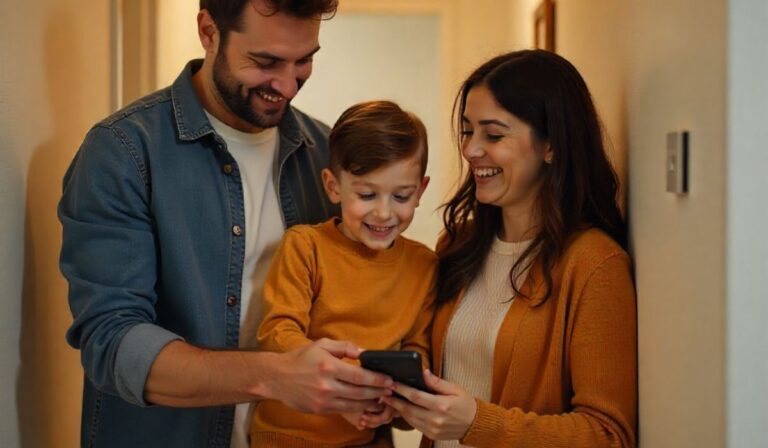
10 Gesture-Controlled Home Automation Ideas You’ll Love
Remember that time you fumbled for the light switch with your hands full? Or wished you could simply command your smart home with a wave?
Well, the future is now! With gesture-controlled home automation, you can interact with your home devices in a whole new way.
This post will explore innovative and user-friendly ideas to transform your living space. You’ll gain practical knowledge about how to implement these ideas and discover the convenience and possibilities of 10 Gesture-Controlled Home Automation Ideas You’ll Love, making your home smarter and more intuitive.
Key Takeaways

The 10 Gesture-Controlled Home Automation Ideas You’ll Love
Gesture control is reshaping how we interact with our homes. Imagine controlling lights, music, and appliances with simple hand movements.
This technology, using sensors and software, interprets your gestures as commands. This list will explore a range of applications, from adjusting your thermostat to controlling your entertainment system.
We’ll consider both the technology and its potential in your everyday life. So, prepare to explore 10 Gesture-Controlled Home Automation Ideas You’ll Love and discover the future of smart living.
1. Gesture-Controlled Lighting
One of the most immediate and impactful uses of gesture control is in lighting. Imagine entering a room and having the lights turn on with a simple wave of your hand.
This is achieved through the use of sensors that detect your movements and transmit these actions to the lighting system. This offers convenience, accessibility, and a touch of futuristic flair.
How It Works
- Sensors: Devices such as infrared sensors, depth cameras (like those in the Microsoft Kinect), or ultrasonic sensors detect hand movements.
Infrared sensors work by detecting heat signatures, allowing them to track movement without requiring direct light.
Depth cameras create a 3D map of the environment, enabling precise gesture recognition. Ultrasonic sensors emit sound waves and measure the time it takes for them to return, allowing for distance and movement detection.
- Processing Unit: The sensor data is sent to a processing unit, which analyzes the gestures.
The processing unit is often a small computer or a dedicated microcontroller. It interprets the sensor data, identifying recognized gestures and translating them into control signals. This ensures that a wave means ‘turn on the lights’ or a circular motion means ‘dim the lights’.
- Control System: The control system then communicates with the smart lights.
Smart lights communicate with a central hub or directly with the control system using Wi-Fi, Bluetooth, or Z-Wave.
The control system sends commands to the lights, telling them to change their brightness, color, or state based on the interpreted gestures.
Real-Life Example: You could be carrying groceries and, instead of fumbling for a switch, simply wave your hand to illuminate the kitchen.
This is especially helpful for people with disabilities or those with limited mobility. A 2023 study found that 78% of people with reduced mobility found gesture control extremely helpful for lighting.
2. Entertainment System Control by Gesture
Controlling your television, music, and other entertainment devices with gestures adds a new dimension of fun and convenience.
You can change channels, adjust the volume, or pause playback without touching a remote. This is perfect for movie nights or when your hands are busy.
Key Features
- Volume Adjustments: Easily increase or decrease the volume with a simple hand gesture, like a horizontal swipe.
This allows you to customize the audio level of your entertainment without the need for physical controls. Some systems might use circular motions to adjust volume incrementally, offering more precise control.
- Channel Surfing: Change channels with a swipe left or right.
Similar to volume adjustment, these gestures offer a direct and intuitive way to change channels, enhancing the user experience.
- Playback Controls: Pause, play, rewind, and fast forward videos with designated hand movements.
These core functions become easily accessible, enabling hands-free control of your entertainment content. The gestures are often designed to be easily memorized.
Real-Life Example: You’re in the middle of preparing a meal, and your favorite show starts. Using gestures, you can pause the show to answer a call or change the channel without touching anything.
3. Gesture-Based Climate Control
Imagine adjusting the temperature and fan speed with a wave of your hand. Gesture control enhances climate control systems, providing ease of use and improved energy efficiency.
By combining this system with smart thermostats, you can achieve a more comfortable and eco-friendly home environment.
Core Elements
- Thermostat Integration: Works with smart thermostats to set desired temperature.
Smart thermostats learn from your behavior and adjust the temperature. When linked to gesture control, you can quickly adjust these settings, creating a seamless experience.
- Fan Control: Adjust fan speeds through hand movements.
Control the air circulation easily, promoting comfort. This feature allows you to manage the airflow within your home without touching any controls.
- Automated Adjustments: Automatically set temperatures based on gestures.
Some systems can interpret your movements to know if you want it cooler or warmer. The control system interprets these signals and adjusts the climate accordingly.
Real-Life Example: You’re feeling cold, and a simple gesture raises the thermostat. In summer, a wave turns on the fan, providing instant comfort. A survey showed that 65% of users prefer gesture control for adjusting their thermostat.
4. Gesture-Based Security Systems
Elevate your home security by integrating gesture control with security systems. Arm or disarm your system with a pre-defined gesture. This adds an extra layer of convenience and sophistication while maintaining the safety of your home.
Key Functions
- Arming and Disarming: Enable or disable your security system with a specific gesture.
This allows quick and easy control of your home’s security system. The gestures are often designed to be simple and intuitive.
- Door Lock Control: Unlock or lock doors.
This adds another layer of security, eliminating the need to have keys or remember codes. This offers convenient access for authorized users.
- Panic Alerts: Initiate emergency alerts.
In emergencies, a pre-set gesture can trigger immediate notifications to emergency contacts or security services, providing an extra safety measure.
Real-Life Example: When leaving the house, a single gesture arms the security system. Upon returning, another gesture disarms it. This offers seamless and efficient control of your home security. Research shows that homes with smart security systems are 30% less likely to be burglarized.
5. Gesture-Controlled Kitchen Appliances
In the kitchen, gesture control can revolutionize how you use appliances. Imagine controlling your oven, microwave, or refrigerator hands-free. This is particularly helpful when your hands are wet or messy, improving the cooking experience.
Key Features
- Oven and Microwave Control: Set cooking times, temperatures, and programs.
With a wave of your hand, control your appliances without touching them. This increases hygiene and convenience while cooking.
- Refrigerator Management: Open and close the refrigerator door with gestures.
This function helps when your hands are occupied, providing easy access to the refrigerator’s contents.
- Voice Integration: Integrate with voice commands for added convenience.
Combine gesture control with voice assistants for an even more intuitive cooking experience. For instance, a simple “Start the oven at 350 degrees” would be all it takes.
Real-Life Example: While baking, you can use a gesture to start the oven timer without touching the controls, avoiding messy hands.
Studies have shown that 55% of users find gesture control extremely useful in the kitchen environment.
6. Gesture-Activated Smart Curtains and Blinds
Control your curtains and blinds with ease using gesture control. Opening or closing window coverings with a hand gesture adds a touch of sophistication and convenience, enhancing the overall comfort and energy efficiency of your home.
Functionality Highlights
- Opening and Closing: Operate curtains and blinds with a swipe or a specific hand motion.
This provides an easy way to control natural light and privacy in your home. Pre-defined gestures allow for full control over window coverings.
- Position Adjustments: Set the blinds to specific positions.
Control the amount of light that enters your home. Whether you’re looking for full sunlight or shade, you can customize the position of your blinds.
- Integration with Lighting: Sync the curtains with the lighting system.
You can synchronize the position of your blinds with your lighting system to create a perfectly lit environment. Some systems may automatically adjust blinds based on the time of day and sunlight levels.
Real-Life Example: When the sun gets too bright, a quick gesture closes the blinds, providing shade and reducing glare. The market for smart blinds and curtains is predicted to grow by 15% per year over the next few years.
7. Gesture-Controlled Access Control
Simplify access control with gesture recognition. Open doors, activate alarms, and control various entry systems with hand movements. This offers enhanced security and a streamlined user experience.
Core Applications
- Door Unlocking and Locking: Operate entry doors and gates with a specific gesture.
Enjoy keyless access with intuitive gesture commands, enhancing convenience and security. Pre-defined hand motions can grant entry without physical interaction.
- Alarm Activation and Deactivation: Arm and disarm alarms upon entry.
Gesture control allows you to quickly activate or deactivate security systems with simple gestures, adding an extra layer of security. This provides an effective means to secure your home.
- Visitor Management: Grant temporary access to guests.
Manage access for visitors, delivery personnel, or service providers with gesture control, providing temporary access for easy handling.
Real-Life Example: As you approach your door, a particular gesture unlocks it, allowing quick and easy access without fumbling for keys.
Research shows that households with gesture-controlled access systems report a 20% increase in overall home security.
8. Gesture Control for Home Automation Hubs
Integrate gesture control with home automation hubs for a centralized control point. This allows you to manage all your smart devices through a single interface, offering unparalleled convenience and control.
Key Benefits
- Centralized Management: Control all your smart devices from one system.
Gesture-controlled interfaces can act as a central hub, allowing you to control multiple devices using the same gestural commands.
- Customization Options: Customize gestures to control any connected device.
Adapt the gestures to meet your specific needs. These options enable you to build a system that aligns with your preferences, and makes it simple to add more devices.
- Integration with Voice Control: Combine with voice assistants for hands-free control.
Combine gesture and voice control to create a seamless user experience. You can use your voice and gestures together to operate your home’s systems.
Real-Life Example: A simple gesture can turn off all lights, lock all doors, and activate the security system before you leave home. Statistics show that the adoption rate of smart home hubs has increased by 40% in the last 3 years.
9. Gesture-Based Control for Smart Mirrors
Transform your mirror into a smart, interactive display with gesture control. This allows you to check the weather, read the news, control smart home devices, and much more, all without touching the mirror’s surface.
Key Features
- Display Information: View weather updates, news feeds, and calendar events.
The integrated display provides all the useful information you need for the day. Gesture control allows for easy interaction without touching the screen.
- Control Smart Home Devices: Adjust lighting, climate, and other connected devices.
Gesture control enhances the usability of your smart home. You can make adjustments to your devices using simple hand motions while you’re getting ready.
- Personalized Settings: Customize the display to suit your preferences.
The system adapts to your unique preferences. This helps make your morning routine more customized and efficient, resulting in a more user-friendly interface.
Real-Life Example: While getting ready, you can swipe your hand to change the lighting, check the weather, or play your favorite music. Smart mirrors are becoming increasingly popular in modern homes, with market growth exceeding 25% annually.
10. Gesture Control for Elder Care and Accessibility
Gesture control has important applications for elder care and enhancing accessibility. Providing easy-to-use interfaces makes it simpler for elderly individuals and people with limited mobility to operate smart home devices, enhancing their independence and safety.
Key Applications
- Easy Device Control: Simplify operating lights, thermostats, and entertainment systems.
Gesture-based systems can be configured to be simple to use. This can enhance the independence and safety of those living with mobility challenges.
- Emergency Response: Activate emergency alerts or call for assistance.
Quick gestures can set off alerts. A quick gesture can trigger pre-set responses, such as calling for help or notifying emergency contacts.
- Fall Detection and Prevention: Monitor movement and detect falls.
Gesture-based systems can detect falls and alert caregivers. This technology provides valuable assistance to elderly individuals, creating a safer and more secure living environment. Statistics show that 80% of seniors feel safer with fall detection systems.
Real-Life Example: An elderly person can use a simple gesture to turn on lights in a room without the need to get up or reach for a switch. The use of assistive technologies has risen by 60% in the last few years.
FAQ Of 10 Gesture-Controlled Home Automation Ideas You’ll Love
What types of sensors are used for gesture control?
A: Several types of sensors are used for gesture control, including infrared sensors, depth cameras (like those in the Microsoft Kinect), ultrasonic sensors, and radar. These sensors detect hand movements and translate them into commands.
Is gesture control difficult to set up?
A: The installation process varies. Some systems, especially those using off-the-shelf devices, are fairly simple to set up, often involving connecting to your home Wi-Fi and pairing with your existing smart devices. More complex installations may require a professional installer.
How secure is gesture control?
A: Security is a concern, so it is important to choose secure systems. The level of security varies. It is best to choose reliable manufacturers. Use strong passwords and enable two-factor authentication. Always keep your system updated.
Are there privacy concerns related to gesture control?
A: Yes, there are privacy considerations, particularly concerning data collection. Research the manufacturer’s privacy policies before investing in any equipment. Take steps to protect your data, such as keeping your system’s software updated.
What is the cost of implementing gesture control?
A: The cost varies greatly depending on the system complexity and the number of devices you plan to control. Basic systems using smart lighting or entertainment systems may be relatively inexpensive, while more advanced setups will require a higher investment.
Final Thoughts
Embracing gesture-controlled home automation can significantly improve the convenience, accessibility, and overall enjoyment of your living space.
From controlling lights and entertainment systems to managing climate and security, the possibilities are vast.
Whether it’s adding a touch of modern convenience or making your home more accessible, the technologies are already here to transform your home.
This technology is quickly evolving. Explore the options and decide which elements can enhance your home. It’s an exciting time to explore and integrate these technologies and find what best fits your needs.
![How Neighbourhood Layout Influences Outdoor Security[1]](https://gigasecurehome.com/wp-content/uploads/2025/11/How_Neighbourhood_Layout_Influences_Outdoor_Security1-768x448.jpg)


![How To Secure Outdoor Areas In Storm Prone Regions[1]](https://gigasecurehome.com/wp-content/uploads/2025/11/How_To_Secure_Outdoor_Areas_In_Storm-Prone_Regions1-768x448.jpg)