Protecting Your Home During Holiday Travel Is Easier Than You Think
Key Takeaways
- Learn about common home security threats during holiday travel.
- Discover simple yet effective measures to deter burglars.
- Understand the importance of home automation and smart security systems.
- Gain tips on how to manage mail and deliveries while you’re away.
- Explore how to handle social media postings regarding your travel.
- Find out how to work with neighbors to enhance home safety.
Time you got back from vacation, ready to relax, only to find a broken window and your favorite items missing? It’s a nightmare nobody wants to experience.
The holidays, a time for joy and togetherness, often mean our homes sit empty while we visit family.
This post explores effective ways to secure your home when the entire family is traveling, offering practical solutions to protect your property and provide peace of mind.
You’ll gain valuable insights, learn about common security risks, and discover preventative measures, which will dramatically improve your sense of security and help you enjoy your trip, knowing your home is protected.

Pre-Trip Preparations for a Secure Home
Before you even think about packing your bags, taking some preparatory steps is essential to ensure your home remains safe while you’re away.
These actions are the foundation of your home security plan and will significantly reduce the risk of break-ins.
It’s like building a strong defense, brick by brick, before the holiday season arrives. These initial steps are the crucial first layer of defense.
Home Security Checklist: The Essentials
- Secure all doors and windows: Check every entry point, from the front door to the back patio door, and including windows, to make sure they are locked and in good repair. Reinforce door frames, and consider installing a deadbolt lock on the main entry door, along with a wide-angle peephole.
Ensuring every entry point is secure is the first line of defense. Remember to inspect each window and door frame, checking for weak points that a burglar might exploit.
Strengthening your main entrance with a deadbolt lock and a peephole that offers a wide field of view is critical. These small but important steps create a strong foundation.
- Inform trusted neighbors: Let neighbors know your travel plans. Ask them to keep an eye on your property, collect mail, and report any suspicious activity to the local authorities. Consider exchanging contact information for easy communication.
Neighbors can become your eyes and ears while you’re away. Provide them with your contact information, so they can quickly reach you if something seems amiss. In return, be prepared to do the same for them when they travel. Building this community watch system is invaluable.
- Suspend mail and newspaper delivery: A pile of mail and newspapers can signal to potential burglars that your home is unoccupied. Arrange for the post office to hold your mail, and pause any newspaper subscriptions. Alternatively, ask a neighbor to collect them.
A mailbox overflowing with mail is a clear sign that nobody is home, marking your property as a target. Taking steps to hold your mail is a simple but effective measure. Don’t underestimate the details.
- Unplug non-essential appliances: Save energy and reduce the risk of electrical fires by unplugging appliances like toasters, coffee makers, and televisions. This also protects them from potential power surges.
Unplugging appliances is a simple, cost-effective safety measure. It’s not just about energy savings; it’s about minimizing risks. A power surge can damage your electronics, so take this simple preventative step.
- Adjust your thermostat: During winter, set the thermostat to a moderate temperature to prevent pipes from freezing. In summer, you can raise the temperature a bit to conserve energy. Smart thermostats allow you to manage this remotely.
Managing the home’s climate control helps safeguard your property from damage. A smart thermostat also gives you control and peace of mind, monitoring the internal environment from afar.
Exterior Security Enhancements
Beyond the basics, focus on enhancing your home’s exterior security. These measures are designed to deter potential intruders and provide an additional layer of protection.
Think about it: a well-lit and monitored exterior creates an environment that’s less appealing to burglars.
- Improve outdoor lighting: Install motion-activated lights around your property. These lights can scare off intruders and make your home less attractive as a target. Make sure the lights illuminate all entry points, including doors, windows, and the perimeter.
Adequate outdoor lighting is a strong deterrent. Motion-activated lights not only illuminate the area when someone approaches but also alert you and your neighbors to potential activity. This makes your property appear less vulnerable.
- Trim landscaping: Keep bushes and trees trimmed so they don’t provide cover for intruders. Overgrown bushes near windows and doors can be a hiding place.
Landscaping plays a surprisingly important role in home security. Overgrown plants near entry points provide hiding spots for unwanted visitors. Regularly trimming your landscaping removes these potential hiding places and improves visibility.
- Secure sheds and garages: Sheds and garages often contain valuable tools and equipment. Ensure these structures are locked and secure. Consider reinforcing door frames and installing strong locks.
Don’t neglect the security of your sheds and garages. These spaces can be targets for burglars looking for tools and equipment to sell.
Always lock these areas, and reinforce their doors and windows if necessary. A secure garage can safeguard your vehicles, too.
- Install a visible security system: Even a sign or sticker indicating you have a security system can be a deterrent. If you have a system, make sure the signs and stickers are prominently displayed. Consider installing cameras for visual evidence.
A visible security system serves as a huge deterrent. Even if you don’t have a full security system, a sign indicating you do can dissuade potential intruders. If you have cameras, they also provide evidence in case of a break-in.
- Maintain your yard: A well-maintained yard gives the appearance that someone is present. Arrange for lawn mowing or snow removal while you are away. This adds to the impression that your home is occupied.
A tidy yard gives the impression that the property is being cared for and, therefore, is more likely to be occupied. Maintaining your yard creates a deterrent, signaling that the property is being actively watched.
Leveraging Technology for Home Security
Home security has come a long way, and today’s technology offers many options to help protect your property.
From smart devices to professional monitoring services, there is something for everyone. Using technology can add an extra layer of protection and control.
Smart Home Security Systems
Embrace the power of smart devices to build a comprehensive security system. These systems often provide features that traditional systems lack. They give homeowners greater control, and allow for easy remote monitoring and management.
- Smart door locks: Smart door locks offer a convenient way to manage access to your home. You can grant temporary access codes to service providers or guests. This feature provides security and convenience in equal measure. Keep track of who enters and exits the home with an access log.
- Security cameras: Install cameras to monitor your property. Choose indoor and outdoor cameras that can record and send alerts to your smartphone when they detect movement.
- Cameras are valuable tools that provide an extra set of eyes. Look for features such as night vision, two-way audio, and cloud storage. The ability to record and receive alerts on your phone offers valuable peace of mind.
- Smart lighting: Use smart bulbs and switches to automate your lights. Program lights to turn on and off at various times to simulate occupancy.
- Smart lighting can make it appear as though someone is home, even when the property is empty. Set your lights to mimic your usual routine. This will help deter potential intruders. It gives you remote control over the lighting in your home.
- Smart doorbells: A smart doorbell with a camera allows you to see and speak to visitors, even when you’re not home. Receive notifications when someone approaches your door.
- Smart doorbells provide another layer of security, allowing you to monitor and interact with visitors remotely. It can also be a deterrent if potential intruders know that they are being recorded. If you are away, you can still answer the door.
- Home automation systems: Integrate all your smart devices into one system for centralized control. Use a central hub to manage your locks, cameras, lighting, and other smart devices.
- Home automation systems provide the most comprehensive protection. This centralizes control of all your devices, giving you total peace of mind. Control your home from anywhere with just a few taps on your smartphone.
Professional Monitoring Services
Consider subscribing to a professional monitoring service for the highest level of security. These services provide 24/7 surveillance and response to any security breaches.
When it comes to your home, a professional service is the best way to safeguard against unforeseen issues.
- 24/7 monitoring: A professional monitoring service will monitor your security system around the clock. If an alarm goes off, they will notify the authorities immediately.
This around-the-clock monitoring gives you constant reassurance. The quick response time of a professional security team can prevent or limit property damage. These services offer the highest level of protection.
- Alarm response: The monitoring service is able to quickly dispatch emergency services to your home. They can assess the situation and assist if an actual threat exists.
If there’s an emergency, a professional monitoring service takes action immediately. This rapid response could be a life-saver in serious situations. The quick action and communication give you peace of mind.
- Mobile alerts: Receive alerts on your smartphone whenever your security system is triggered. Be informed about any issues or events at your home.
Mobile alerts provide a direct line of communication between your home and your smartphone. These notifications will keep you aware of activity at your property, no matter where you are. Stay informed.
- Professional installation and support: Most monitoring services offer professional installation. They provide technical support to help you manage your security system.
This includes the expert installation of your security system. This guarantees that your system operates properly and is set up for maximum efficiency. Technical support provides help when you need it.
- Integration with smart devices: Many monitoring services integrate with smart home devices, providing seamless control and management of your entire security setup.
A professional monitoring service can integrate with your existing smart home devices. This helps you to manage everything under a single platform. This feature provides a convenient and user-friendly experience.
Managing Information and Communication
Even though you’re protecting your home with security measures, it’s also important to be cautious about what you share with others.
Consider the implications of social media posts, and how you communicate with others while traveling. These actions will help avoid potential issues.
Social Media Best Practices
Social media can be a fun way to share your holiday experiences. However, it’s essential to be mindful of what you post. Avoid sharing any details that could make your home a target.
- Delay posting travel updates: Avoid posting about your trip until after you’ve returned home. This prevents potential burglars from knowing you’re away.
Sharing your travel plans in real-time can be a risk. Delaying your posts adds a layer of protection, which keeps your home secure.
- Don’t share location details: Avoid tagging your location. It’s often best to omit any details that could reveal where you are.
Sharing location details could inadvertently reveal your travel plans to potential intruders. This is especially true for posts that include the address of your accommodations.
- Be mindful of hashtags: Avoid using hashtags like #vacation or #travel, which could be used to search for homes that are likely unoccupied.
Avoid any public posts that reveal your travel plans. These hashtags may reveal to a criminal element that you are away from home.
- Review your privacy settings: Ensure your social media privacy settings are set to restrict who can see your posts. This limits the exposure of your travel plans.
Review and update your privacy settings on all social media platforms. Use the strictest privacy settings. This restricts the audience who can see your posts.
- Be cautious about geotagging: Turn off geotagging features on your phone or social media apps. Prevent your location from being publicly displayed.
Geotagging can reveal your exact location when you post photos or updates. It is important to disable geotagging to protect your privacy.
Communication During Your Trip
How you communicate while you’re away can also affect your home’s security. It’s important to control any information about your whereabouts. These precautions will help safeguard your home.
- Vary your communication schedule: Avoid a predictable communication schedule that could signal to intruders when you are unreachable. Make it harder for potential criminals to know your whereabouts.
Avoid using a set communication pattern. Potential burglars might use this information to determine when the property is unoccupied. This makes it more difficult for a possible intruder to predict when you’ll be at home.
- Use secure communication channels: Use encrypted messaging apps or secure email to discuss travel plans with others. Protect your information from potential interception.
When discussing sensitive information, use secure communication methods. This added layer of protection keeps all communications private.
- Avoid sharing your itinerary publicly: Don’t share the exact details of your travel plans. This prevents potential burglars from knowing when and where you will be.
Avoid sharing your exact itinerary. This protects your privacy and prevents anyone from knowing your exact whereabouts. These precautions safeguard your home.
- Notify only trusted contacts: Only share your travel plans with close friends and family. This will minimize the risk of sensitive information being exposed.
Be careful about who you tell. Limit your travel plan disclosures to trustworthy individuals. This adds a layer of privacy and protection.
- Set an out-of-office response: Create an auto-reply for your email. Don’t disclose your travel dates or location in the message.
When you are traveling, set up an automatic reply for your email. This message will prevent potential burglars from knowing you are away. This avoids potential risks.
Dealing With Deliveries and Mail
Your mail and deliveries can be a clear indicator of your absence. Managing your mail and deliveries effectively can prevent your home from being targeted. These practical methods will reduce any potential risks.
Handling Mail and Packages
Accumulating mail and packages is a clear sign that a home is unoccupied. It's essential to plan for the management of deliveries. Implement these actions to avoid attracting unwanted attention.
- Hold your mail: Arrange for the post office to hold your mail. This prevents your mailbox from overflowing.
If you have mail delivery, holding your mail is a simple step that significantly increases home security. This simple, easy step will eliminate a clear sign that you are not home.
- Forward your mail: If you are planning an extended trip, consider forwarding your mail. You will ensure you still receive all your important mail while traveling.
When you travel for an extended period, forwarding your mail is a good idea. This ensures that you don’t miss any important information. You can keep up to date with the latest news.
- Ask a neighbor to collect mail: If you don’t want to hold or forward your mail, arrange for a neighbor to collect it. Make sure they take the mail out of the mailbox regularly.
A helpful neighbor can collect and hold your mail. This simple task is a great help when you are away. Consider this solution for short trips and vacations.
- Suspend newspaper delivery: Cancel your newspaper subscription for the duration of your trip. Don’t leave newspapers to pile up on your driveway.
An accumulation of newspapers is another signal that a home is unoccupied. Contact the newspaper to pause the subscription. This simple action adds to your home’s security.
- Redirect deliveries: Schedule any deliveries to a secure location. Ship packages to your workplace or a trusted friend’s home.
Redirecting deliveries can prevent packages from being left on your doorstep. This adds an additional layer of protection against theft. These packages won’t be exposed.
Managing Deliveries and Services
In addition to mail, managing deliveries and services adds to your home’s security. Taking care of your deliveries can help prevent theft and burglary. It’s an easy and effective step that can protect your home.
- Stop regular services: Temporarily stop any services like lawn care or pool cleaning. This eliminates any evidence that the property is unoccupied.
When you’re away, stopping regular services is a good idea. This minimizes activity at your home. It can also prevent a possible burglar from tracking your routine.
- Reschedule appointments: Reschedule any scheduled appointments. Reschedule any upcoming visits from contractors or service providers.
When you reschedule appointments, there will be no visible indication that you are away. When the property is unoccupied, these visitors can become suspicious. These appointments can be a possible security risk.
- Use delivery lockers: If possible, use package delivery lockers or a secure drop box for packages. This reduces the risk of theft from porches.
Delivery lockers offer a secure way to receive packages. The deliveries are protected from theft and vandalism. These lockers offer added protection.
- Install a package camera: Install a camera to monitor any packages delivered to your front door. This gives you peace of mind and deters potential thieves.
With a package camera, you can monitor your porch. If anything happens, you can see the event unfold. A camera adds an added layer of safety.
- Alert delivery services: Provide specific delivery instructions. Ask delivery services to leave packages in a safe location.
By providing specific delivery instructions, you can ensure that packages are safe. Ask the delivery company to leave your packages in a safe location. This helps protect the contents.
Working With Your Community
Your neighbors and the community can be valuable allies in protecting your home. These are the people who will look out for your property while you’re away. Working with your neighbors increases home security.
Neighborly Support and Assistance
Your neighbors and the community can offer valuable support. In times of need, these relationships can be very beneficial. Collaboration enhances the overall safety of your home.
- Establish a neighborhood watch: If your neighborhood does not already have one, consider establishing a neighborhood watch program. This increases communication.
A neighborhood watch program is a fantastic way to improve community safety. Communication is essential for spotting and addressing threats. Community unity can deter crime.
- Share contact information: Share contact information with trusted neighbors. This allows for communication in case of an emergency.
Communication is essential in case of an emergency. This information ensures that neighbors can contact you. Neighbors can communicate promptly if any issues arise.
- Request neighborly surveillance: Ask your neighbors to keep an eye on your home. This could include checking for unusual activity.
Ask a trusted neighbor to look after your property. They can check for anything out of the ordinary. This can prevent damage to the property.
- Offer reciprocal assistance: Offer to help your neighbors when they travel. Be willing to watch their property when they are away.
Offer assistance to your neighbors. Reciprocal support strengthens ties within the community. When you help your neighbors, your community is more secure.
- Participate in community patrols: Get involved in any community patrols. This can help deter criminals.
Participating in community patrols helps increase community safety. This is an efficient way to make your community secure. You can protect your property and your neighborhood.
Reporting Suspicious Activities
It’s important to report anything suspicious to the local authorities. You can protect your home and help keep the community secure by doing so. The best way to make a community safe is through vigilance.
- Identify suspicious behaviors: Look out for any suspicious activities. Keep an eye out for people casing houses or attempting to enter.
Learning what to look for increases security. Understanding suspicious behavior is key. Be aware of your surroundings, and report any concerning activities.
- Report suspicious vehicles: If you see any suspicious vehicles parked in the area, report it to the authorities. These vehicles could be involved in criminal activity.
Suspicious vehicles could be a part of criminal activity. Be vigilant, and report anything suspicious. This is another layer of protection for your property.
- Document suspicious incidents: If you witness any suspicious activity, document it. Write down dates, times, and descriptions of what you saw.
Detailed documentation can provide valuable information to law enforcement. A detailed record is more helpful. Documentation can help the authorities to respond.
- Contact local law enforcement: Contact your local police or sheriff’s department immediately. When you notice any suspicious activity, report it immediately.
Promptly reporting suspicious activities is essential. The police or sheriff’s department can act. Reporting suspicious activity protects your home and your neighborhood.
- Join local crime watch groups: Get involved in local crime watch groups. You can work with your neighbors.
Crime watch groups share vital information with the community. You can take an active role in protecting your home. It’s a key part of community safety.
FAQ Of Protecting Your Home During Holiday Travel Is Easier Than You Think
What’s the best way to secure my doors and windows?
Install high-quality deadbolt locks on your doors and ensure that all windows have secure locking mechanisms. Regularly inspect doors and windows for any signs of damage or weakness. Consider reinforcing door frames for extra protection.
How can I make my home appear occupied when I am away?
Use timers or smart devices to automate your lights, making them turn on and off at various times throughout the day. Ask a neighbor to park in your driveway occasionally, and have them collect your mail and newspapers.
Should I tell my neighbors that I am going on vacation?
It’s a good idea to inform trusted neighbors of your travel plans. They can keep an eye on your property, collect mail, and report any suspicious activity. This can provide added peace of mind.
Are there any specific things I should do with social media before traveling?
It is best to avoid sharing your travel plans on social media until after you’ve returned home. Disable location tagging on your posts, and review your privacy settings to limit who can see your updates.
What do I do if I suspect a burglary attempt while I’m away?
If you suspect a burglary attempt, immediately contact the local police. Do not enter the home, as it could be dangerous. Provide the authorities with as much detail as possible about what you observed.
Final Thoughts
Protecting your home while your family travels doesn’t have to be a complicated undertaking. By implementing simple, proactive measures, you can dramatically reduce the risk of a break-in and enjoy your time away with greater peace of mind.
Remember, the key to securing your home during the holidays is to layer your defenses. Start with the basics: secure doors and windows, inform your trusted neighbors, and manage your mail.
Take advantage of technology by using smart devices and perhaps even a professional monitoring service.
Be mindful of what you share online, and communicate carefully. Combine these elements with community support, and you’ll create a robust security plan.
Enjoy your vacation knowing your home is safe, and return home with the peace of mind you deserve.
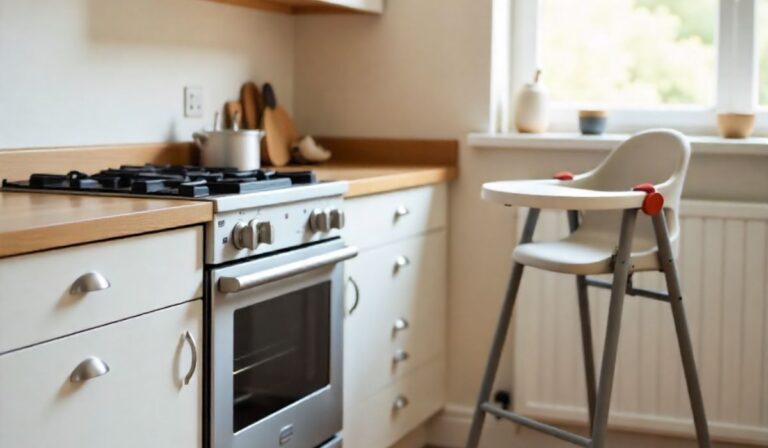
![Setting Up Smart Home Safety On a Budget for Families[1]](https://gigasecurehome.com/wp-content/uploads/2025/11/Setting_Up_Smart_Home_Safety_On_a_Budget_for_Families1-768x448.jpg)