Are Landlords Okay With Smart Home Devices
Key Takeaways
- Landlords usually consider smart home devices based on potential damage, privacy concerns, and the device’s impact on the property.
- Communicating openly and honestly with your landlord is the most important step.
- Many landlords are open to devices that don’t permanently alter the property or require complex installation.
- Having a clear plan for installation, removal, and potential repairs can ease landlord concerns.
- Offering to show them the device and how it works can build trust.
- Understanding your lease agreement is key before making any changes.
Figuring out if your landlord is okay with smart home devices can seem tricky, especially when you’re just starting out.
Many renters wonder, “Are landlords okay with smart home devices?” This question pops up because everyone wants to make their rented space feel more like home with cool tech. Don’t worry, we’ll break it down super easily, step-by-step, so you know exactly what to do.
Next, we’ll look at the easy ways to get your landlord on board and make your smart home dreams a reality without any fuss.
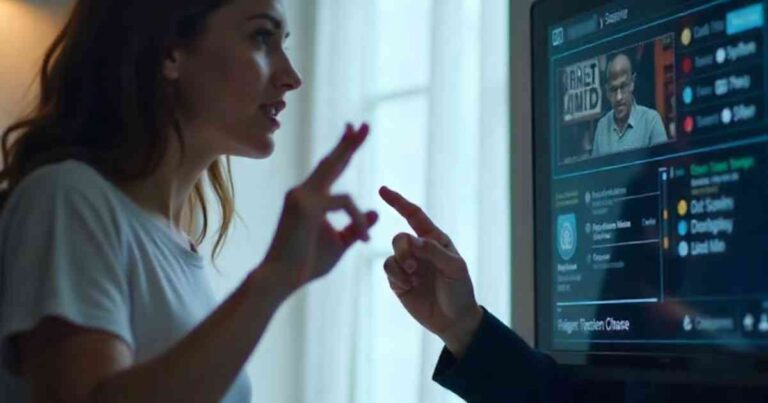
![Are Landlords Okay With Smart Home Devices[1]](https://gigasecurehome.com/wp-content/uploads/2026/01/Are_Landlords_Okay_With_Smart_Home_Devices1.jpg)
Are Landlords Okay With Smart Home Devices?
When you rent a place, you want to make it your own. Adding smart home devices sounds like a great way to do that.
Things like smart thermostats, lights, speakers, or security cameras can make living more comfortable and convenient.
But a big question many renters ask is, “Are landlords okay with smart home devices?” The answer isn’t a simple yes or no. It really depends on a few things, mainly how the landlord sees these devices and what your lease says.
Why Landlords Might Be Concerned
Landlords have a property to protect. They worry about a few key things when it comes to renters installing new gadgets. First, there’s the concern about damage.
Some smart home devices require wiring or drilling into walls. If this isn’t done carefully, it could cause problems that are expensive to fix later.
Think about a smart thermostat that needs to replace the old one, or a smart lock that changes the existing door hardware.
Another big worry for landlords is privacy. Smart devices, especially those with cameras or microphones, can record things happening inside the home. While you’re renting, the landlord might feel uneasy about what’s being collected or stored.
They might think about their own privacy or the privacy of future tenants. They also might worry if the device collects data about the property itself.
Then there’s the issue of who is responsible if something goes wrong. If a smart device malfunctions and causes a fire or water damage, who pays for it?
Landlords want to make sure they aren’t stuck with the bill for something they didn’t install or approve.
They also think about whether the device might interfere with existing systems in the building, like Wi-Fi or the main electrical panel.
Types of Smart Home Devices and Landlord Reactions
Not all smart home devices are seen the same way by landlords. Some are much easier to get approved than others. Here’s a look at common devices and how landlords might react:
Easy-to-Approve Devices (Generally)
- Smart Plugs: These just plug into an existing outlet and let you control other devices. They don’t require any installation or permanent changes.
- Smart Light Bulbs: You just screw them in like regular bulbs. You can control them with an app or voice, and they don’t change the fixture itself.
- Smart Speakers/Displays (like Amazon Echo or Google Nest Hub): These are portable and only need Wi-Fi. They sit on a counter or table and don’t affect the property’s structure.
- Wi-Fi Enabled Security Cameras (Non-Permanent): Cameras that can be placed on a shelf or mounted with adhesive strips, rather than being wired into the wall, are usually less of a concern.
Devices Requiring More Discussion
- Smart Thermostats: These often replace existing thermostats and may require wiring. Some landlords might agree if you promise to put the old one back when you leave or if it helps save energy.
- Smart Locks: Replacing a deadbolt usually involves changing hardware. Landlords might worry about key control and security.
- Smart Doorbells (Wired): If it requires drilling into the door frame or connecting to existing doorbell wires, this needs landlord approval.
- Whole-Home Systems: This includes integrated lighting, security, and entertainment systems that require significant installation and wiring. Landlords are highly unlikely to approve these unless they are part of a new build or renovation.
What Your Lease Agreement Says
Before you even think about asking your landlord, it's important to read your lease agreement carefully. Most leases have clauses about making alterations or improvements to the property.
Some leases might explicitly forbid any changes, while others might have a process for requesting permission for alterations.
Look for sections that talk about:
- Alterations: This usually covers anything that changes the physical structure or appearance of the rental unit.
- Improvements: Similar to alterations, this refers to additions that might add value or functionality.
- Permitted Use: Sometimes, leases specify what kinds of devices or equipment are allowed.
If your lease is vague about smart home devices, it doesn’t automatically mean they are allowed. It’s always best to get written permission to avoid any misunderstandings or potential lease violations.
How to Approach Your Landlord
When you’re ready to ask your landlord about installing smart home devices, how you present it makes a big difference.
Think of it as a business discussion where you’re proposing a solution that benefits everyone, or at least causes no harm.
1. Do Your Homework
Before you talk to them, understand the specific device you want. Know how it’s installed, if it requires any permanent changes, and how it’s powered.
Research devices that are renter-friendly, meaning they are easy to install and remove without leaving a trace.
2. Choose the Right Device
Start with simpler devices. A smart plug or smart light bulb is much easier to get approved than a wired security camera system.
If you want to install something more complex, like a smart thermostat, be prepared to explain why it’s a good idea and how you’ll handle installation and removal.
3. Schedule a Conversation
Don’t just ambush your landlord. Ask for a specific time to chat about a small improvement you’d like to make. This shows respect for their time and allows them to prepare for the conversation.
4. Be Clear and Honest
Explain exactly what device you want to install and why. Focus on the benefits, if any, to the property (e.g., energy savings from a smart thermostat) or how it improves your safety and convenience without impacting the property. Be upfront about the installation process.
5. Address Their Concerns Proactively
Think about what their worries might be. If it’s about installation, explain that you’ll hire a professional or ensure it’s done neatly. If it’s about removal, promise to restore everything to its original condition.
If it’s about privacy, explain how the device works and what data it collects, assuring them it’s for your personal use only.
6. Offer Guarantees and Agreements
You can offer to put down a small security deposit specifically for the smart device installation, which can be returned after you move out and the property is inspected. You can also put in writing that you will be fully responsible for any damage caused by the device and will cover the cost of repairs.
For devices that replace existing ones, promise to carefully store the original item and reinstall it upon moving out.
7. Get it in Writing
Once you agree on something, make sure it’s documented. An email or a formal addendum to your lease is the best way to protect yourself and your landlord. This prevents future disputes.
Smart Home Device Installation: What to Watch Out For
The installation process is often the biggest hurdle. Landlords are very concerned about whether the installation will damage the property.
Wiring and Power
Any device that requires running new wires, connecting to the main electrical system, or drilling through walls or ceilings is likely to be a point of concern.
If a device needs to be hardwired, ensure you have an electrician do it, and be prepared to pay for any patching and painting afterward.
Permanent Fixtures
Devices that become permanent parts of the house, like integrated smart lighting systems or built-in speakers, are generally a no-go unless the landlord is undertaking a renovation. Even smart locks that change the door hardware might be viewed as a permanent alteration.
Ease of Removal
The key is that the device should be easily removable without leaving any significant marks or damage.
If a device uses strong adhesive that might damage paint or drywall, or if it leaves holes that need filling, this needs careful consideration and landlord approval.
Professional Installation
For more complex devices, offering to have a licensed professional install them can go a long way. This assures the landlord that the job will be done correctly and safely. The same professionals can be hired to remove the device and restore the area when you move out.
Smart Home Devices and Energy Savings
One area where you might find more landlord cooperation is with devices that can save energy and reduce utility bills.
Smart thermostats are a prime example. By allowing for more precise control over heating and cooling, these devices can prevent energy waste.
If you’re proposing a smart thermostat, highlight how it can lead to lower energy costs for the property owner as well, especially if utility bills are partly covered by the landlord or if it reduces wear and tear on the HVAC system. You could offer to share energy saving reports, demonstrating the device’s effectiveness.
Here’s a quick comparison of devices and their typical landlord acceptance:
| Device Type | Installation Needs | Landlord Concern Level | Likelihood of Approval |
|---|---|---|---|
| Smart Plug | None | Very Low | High |
| Smart Light Bulb | None | Very Low | High |
| Smart Speaker/Display | None (Plug-in) | Low (Privacy) | High |
| Wi-Fi Camera (Portable) | None (Placement) | Medium (Privacy) | Medium to High |
| Smart Thermostat | May require wiring, replace existing | Medium (Damage, Wiring) | Medium |
| Smart Lock | Changes door hardware | High (Security, Alteration) | Low to Medium |
| Wired Smart Doorbell | May require drilling/wiring | Medium (Damage, Wiring) | Medium |
| Whole-Home Systems | Extensive wiring, permanent fixtures | Very High (Damage, Cost) | Very Low |
What If Your Landlord Says No?
It’s possible that even with the best approach, your landlord might say no. If this happens, don’t get discouraged.
There are still ways to enjoy some smart home features without violating your lease or annoying your landlord.
Focus on the devices that require absolutely no installation and don’t alter the property at all. For example, if a smart thermostat is not allowed, you can still use smart plugs to control lamps and fans, or rely on smart speakers for entertainment and information.
Many smart home functionalities can be achieved with portable devices that you can take with you when you move.
Consider if the landlord’s objection is specific to a particular device or a general policy. Sometimes, explaining more about a device and its non-invasive nature can change their mind.
If they are concerned about a smart lock, perhaps a smart bolt that slides over an existing deadbolt could be an alternative, though still one that requires careful discussion.
The Future of Smart Homes in Rentals
As smart home technology becomes more common and integrated into our lives, it’s likely that landlords will become more accustomed to renters wanting these features.
Many new apartment buildings are now being built with smart home capabilities already installed, which could pave the way for more acceptance in the future.
As renters become more educated about responsible technology use and landlords see that these devices don’t necessarily pose a risk, the conversation around Are landlords okay with smart home devices may shift.
Expect to see more renter-friendly smart devices that are easy to install and remove, and clearer guidelines in lease agreements regarding technology.
FAQ Of Are Landlords Okay With Smart Home Devices
Can I install a smart doorbell if my landlord doesn’t say anything about it?
It’s best not to assume. Even if your lease doesn’t mention it, installing a smart doorbell often involves drilling holes for wires or mounting. You should always ask your landlord for written permission before making any physical changes to the property to avoid potential lease violations.
What if I want to install a smart thermostat, but my landlord is worried about wiring?
You can explain that you will hire a certified professional to install and later remove the thermostat. You can also offer to store the original thermostat safely and reinstall it when you move out. Highlighting potential energy savings for the property might also help convince them.
Are smart plugs a safe bet to use without asking?
Yes, smart plugs are generally considered safe to use without explicit permission because they don’t require any installation or permanent alteration to the property. They simply plug into an existing outlet.
If I move out, do I have to remove all smart devices?
Yes, unless your landlord has given you written permission to leave them, you are usually expected to remove any smart devices you installed and restore the property to its original condition. This includes filling any holes or repairing any damage caused by the installation.
Can I use a Wi-Fi camera inside my apartment?
You can likely use a portable Wi-Fi camera, but you should still inform your landlord. They might have concerns about privacy, especially if the camera could potentially capture common areas or the exterior of the building. Ensure the camera is for personal use and doesn’t record sensitive information or create a nuisance.
Final Thoughts
Deciding whether to bring smart home tech into your rental space really comes down to clear communication and respect for your landlord’s property.
Most landlords want to avoid problems, so showing them that you’ve thought about how your devices might affect their investment is key.
Devices that are simple to install and remove, like smart plugs or bulbs, are usually a safe bet and don’t require much fuss.
For anything more involved, like changing out a thermostat or a lock, a thoughtful conversation, clear promises about restoration, and getting everything in writing are super important steps.
By being a responsible tenant and approaching your landlord with a well-thought-out plan, you can often find ways to enjoy the convenience of smart home living without causing conflict.
![What Is Home Automation And How Does It Actually Work[1]](https://gigasecurehome.com/wp-content/uploads/2026/01/What_Is_Home_Automation_And_How_Does_It_Actually_Work1-768x448.jpg)
![Can You Use Home Automation Without Cloud Services[1]](https://gigasecurehome.com/wp-content/uploads/2026/01/Can_You_Use_Home_Automation_Without_Cloud_Services1-768x448.jpg)