
Building a Smart Home Control Panel (Wall Tablet) Step by Step
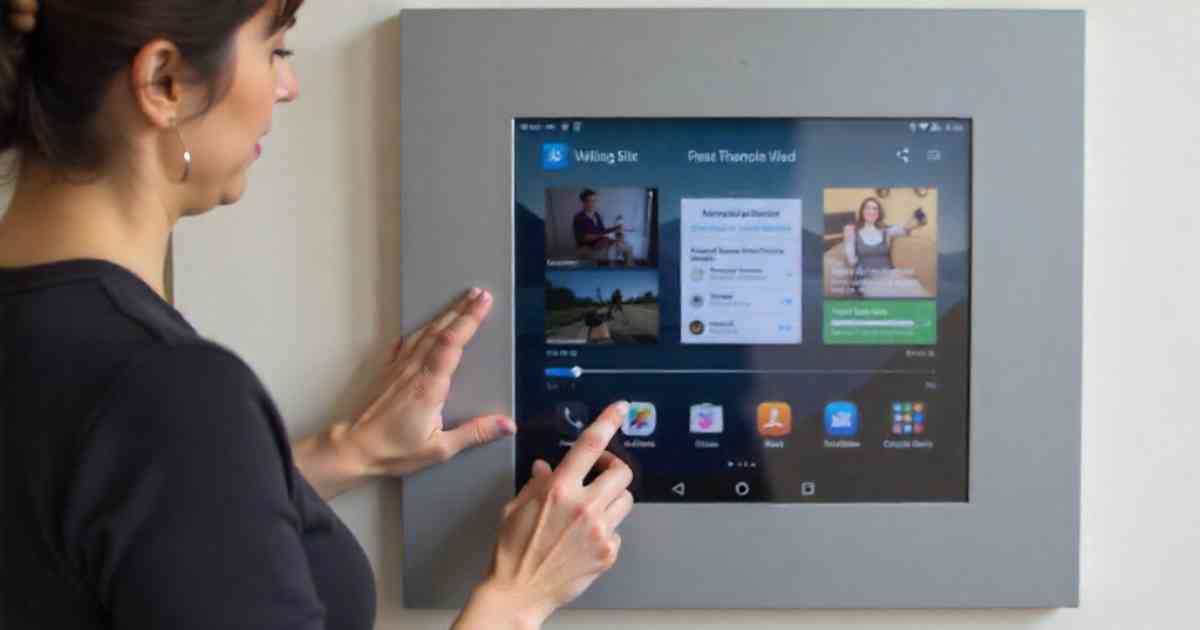
Ever wish you could control your entire home from one central place? Imagine adjusting the lights, checking security cameras, and managing the thermostat all with a tap on a sleek wall-mounted tablet.
This isn’t a futuristic fantasy anymore! We’re exploring how to build a smart home control panel, transforming your home into a high-tech haven.
You’ll explore the hardware, software, and crucial steps, offering you a comprehensive guide. Get ready to gain the skills to build your own system, control everything, and enjoy the convenience a smart home offers.
This article will help you create a streamlined and functional control panel tailored to your needs. This article improves your Time on Page and reduces Bounce Rate by giving you actionable steps and detailed information.
Key Takeaways
Planning the Smart Home Control Panel
Before jumping into the hardware and software, careful planning is important. Thinking through your needs and preferences will make the process easier.
This helps guarantee your control panel works perfectly for you and is easy to use. This also minimizes the risk of problems later on. Consider what devices you want to control and how you want them to behave.
Needs Assessment
Consider what you need to control. Do you need to manage your lights, thermostat, security system, or entertainment system?
Maybe you want to monitor energy usage. Think about the devices you have and what you want to control.
Write down all the smart devices you have. Also, list any devices you plan to add. Doing this lets you plan the perfect smart home setup.
- List all smart devices: Note the brand, model, and connectivity type (Wi-Fi, Zigbee, Z-Wave). This will ensure compatibility.
- Decide on control functions: Determine which features you will need access to. These functions will be vital when designing your interface.
- Evaluate current home network: Consider your network’s capacity and Wi-Fi coverage. This will determine if you need additional network hardware.
- Think about future expansion: Plan for future smart home upgrades. You should pick hardware that is easy to upgrade.
Hardware Selection
Picking the correct hardware will be important to a smooth smart home setup. The main component is the tablet itself.
Next, you need a way to mount the tablet on the wall. Also, think about the power setup. Choose hardware that is reliable and fits your budget. Also, consider the look, feel and function of each piece.
- Tablet Choice: Select a tablet. The screen size and features depend on your preference. Consider an Android or an iPad tablet. The tablet should have fast processing for smooth control.
- Mounting Options: Choose a wall mount. You can pick from flush-mount or surface-mount options. This depends on your wall type. Make sure the mount is safe and looks good.
- Power Supply: Plan a stable power supply. You can use a direct-wired power solution or a hidden power adapter. Plan the power supply method carefully to keep things neat and safe.
- Connectivity: The tablet must connect to your home network. It must have Wi-Fi. It might also use other standards like Zigbee or Z-Wave.
Software and Compatibility
Software is the brain of your smart home control panel. You will need to choose the right platform to manage your smart devices. Consider the platform’s ease of use, compatibility with your devices, and your personal tech skills. Open-source or ready-made apps are available. The best choice is a flexible system that will grow with your needs.
- Home Automation Platforms: Explore options like Home Assistant, SmartThings, or Hubitat. Each platform has specific features and compatibility.
- Compatibility Check: Check that your smart devices are compatible with the chosen platform. Research the devices.
- User Interface (UI): Consider the interface’s customizability and ease of use. A simple UI is important.
- Security Considerations: Choose a platform with strong security to protect your smart home system. Protect your home network from unwanted users.
Choosing the Right Tablet for Your Control Panel
Selecting the correct tablet is a key step in building your smart home control panel. The tablet’s performance, features, and specs will influence the effectiveness of your panel.
Let’s look at the important features of this part of your smart home system. You must get a tablet that works well and meets your needs. Tablet choice impacts how well your control panel works.
Tablet Specifications
The tablet’s specifications affect its performance. It’s necessary to examine the screen size, resolution, processing power, and battery life. These features determine how responsive and simple it will be to use the control panel. An excellent tablet has a screen that’s big enough to easily see the controls.
- Screen Size and Resolution: The screen should be big enough to display controls easily. A larger screen improves usability, especially for older users.
- Processing Power: A powerful processor guarantees smooth performance and quick responses. Make sure the tablet can handle several devices and complex automation routines.
- RAM: A good amount of RAM allows the system to run multiple apps and processes at once.
- Battery Life: If you want the tablet to run without being wired, then the battery is key. Consider its performance when it is constantly turned on.
Operating System Choices
The operating system (OS) of the tablet affects software compatibility and user experience. Android and iOS are the main options.
Each OS has advantages. Understanding these differences helps you select the OS best for your needs. It depends on your tech experience and the apps you want to use.
- Android: Android tablets are customizable and have a wide range of devices. Android supports various apps.
- iOS (iPad): iPads are known for their user-friendly interface and security. They also have a wide range of available apps.
- OS Compatibility: Make sure the OS is compatible with your chosen home automation platform. Some platforms work better with a particular OS.
Durability and Design
Think about the tablet’s durability and design, especially if it will be mounted on the wall. Pick tablets with tough materials.
This prevents wear and tear. Also, pick a design that looks good. A tablet that fits into your home’s décor offers a more pleasant experience. The design should also be practical and simple to install.
- Build Quality: Pick a tablet built from strong materials. If it is durable, it will last longer.
- Mounting Compatibility: Ensure the tablet is compatible with various wall mounts. This flexibility simplifies the setup process.
- Aesthetics: Choose a tablet that matches your home’s style. This includes color, size, and design.
Software Setup for Your Smart Home Control Panel
The correct software is vital for running your smart home control panel. This software brings all your smart devices into one place.
Picking the right platform affects how easy it is to control the devices. Also, it impacts the ability to customize your system.
You can choose from many choices. Choosing the correct one is important for a nice user experience.
Home Automation Platforms
Home automation platforms let you control and manage all your smart devices. Many options are available, like Home Assistant, SmartThings, and Hubitat.
Each platform has features, compatibility, and user interface options. Picking the best platform helps you make the most of your smart home system.
- Home Assistant: This open-source platform is customizable and versatile. It is a good choice for people with tech experience.
- SmartThings: SmartThings is user-friendly and great for beginners. It is easy to set up and manage smart devices.
- Hubitat: This platform gives local processing and extra control over your privacy.
- Features and Compatibility: Each platform has features like custom automations, voice control, and integrations with different smart home devices.
Installation and Configuration
The installation process varies depending on the platform you choose. You will need to install the platform on your tablet.
Next, you will connect your smart devices. It’s important to set up the platform correctly for your home system. Also, follow any instructions to set up the interface so it fits your needs.
- Installation Steps: Follow the platform’s installation instructions for your tablet.
- Device Connection: Connect your smart devices by following the platform’s instructions.
- Network Settings: Set up the network. Ensure your tablet and smart devices can all connect to your home network.
Interface Customization
Customizing the interface will improve your user experience. Arrange the controls to match your needs and preferences.
Personalize the look and feel. Do this to get a control panel that is easy to use and visually appealing. This guarantees smooth interaction with your smart devices.
- Widget and Dashboard Creation: You can create a personalized dashboard by adding widgets. Widgets allow quick access to controls.
- Theme and Design Options: Change the look of the control panel with different themes and layouts.
- Automation Rules: Create custom automation rules. Make your smart home system more efficient.
Connecting Your Smart Devices
Connecting your smart devices to your control panel is important. This step makes sure you can control all your home devices from one central location.
It involves finding out which communication protocols your devices use. Then, connecting them to the control panel’s software platform.
This guarantees you can control all devices from one interface. Doing this is key to a smooth smart home setup.
Supported Protocols
Smart devices use different communication protocols. The main protocols are Wi-Fi, Zigbee, and Z-Wave. Understand these protocols will help you know the best way to connect your devices. Also, it will help you guarantee all devices communicate correctly with the control panel.
- Wi-Fi: Wi-Fi is good for easy setup and works with various devices. It does rely on your home’s Wi-Fi network.
- Zigbee: This mesh network technology is useful for low-energy devices. Devices like smart lights and sensors often use Zigbee.
- Z-Wave: This protocol is reliable and has strong security for smart home devices. It is very popular in smart home setups.
Device Integration
Integrating your devices into your home automation platform will allow them to be controlled from your control panel. The steps differ depending on the device type and platform.
Typically, this involves connecting the devices to your network. After that, you must add the devices in your platform’s software interface. These steps must be done carefully to make sure devices work with your control panel.
- Adding Devices: Follow the steps provided by your home automation platform. You will be able to add devices using the device’s brand and model.
- Authentication: Some devices will require authentication. These include user names and passwords. Follow the instructions to finish the device setup.
- Device Testing: Make sure all devices are working. Check their functions to confirm they are all connected to the control panel.
Troubleshooting Compatibility Issues
There can be compatibility issues when connecting different smart devices. The devices may not work properly.
Often, this requires troubleshooting. It might include updating device firmware, checking network settings, or contacting technical support.
Solving these issues will make sure your smart home system is working. If you do this, you will have a dependable and integrated system.
- Firmware Updates: Make sure the devices’ firmware is updated. Updating fixes bugs and improves performance.
- Network Diagnostics: Check your network connection. Make sure the devices are connected to the network. Also, check for signal issues.
- Platform Support: Check the platform’s support pages or forum for specific device issues.
Designing the User Interface
The user interface (UI) is how you interact with your smart home devices on the control panel. A good UI is easy to use and looks good.
It allows you to control the devices easily and efficiently. Careful design of the UI is important for a pleasant smart home experience.
It includes creating a clear, simple layout. You can also customize the interface with your own preferences.
Layout and Design Principles
A good UI follows specific design principles that enhance usability. A clear layout, intuitive controls, and easy navigation are necessary.
Using these design principles will improve your overall experience. The goal is to make a control panel that is simple and works well. This guarantees you can control all your smart devices with ease.
- Intuitive Layout: Organize controls logically. This makes it easy to find and use functions.
- Visual Clarity: Use clear icons, labels, and color-coding. Visual design aids navigation.
- Ease of Navigation: The navigation lets you easily move from one control panel section to another.
- Accessibility: Make sure your UI works for people with different abilities. Consider the needs of all users.
Customization and Personalization
Customization lets you tailor the control panel to fit your needs. Pick the features that work best for you.
Personalize the look with different themes and widgets. Personalization makes your smart home setup easier to use. You can easily adjust things to create a system that fits your tastes.
- Widget Customization: Add widgets that give you fast access to frequently used controls. These widgets help you save time and improve productivity.
- Theme Selection: Choose themes that match your home décor. This makes the system more visually appealing.
- Automation Integration: Integrate automations. Automations adjust the system. This provides a user experience that has little effort.
User Experience (UX) Considerations
Your user experience (UX) is how your users interact with the control panel. Pay attention to how people will use the interface.
Testing and feedback are important. Improving the UX makes your smart home control panel more functional. The best UI is simple to use and offers a pleasant experience for everyone.
- User Testing: Test the UI with users. Gather feedback for improvements. This is important to improve the usability of the system.
- Feedback Loops: Add user feedback mechanisms, such as comments and rating. This helps in continuous improvement.
- Iterative Design: Continuously update the UI. This improves and adapts to user feedback and changing preferences.
Advanced Features and Customization
Adding advanced features lets you get the most out of your smart home control panel. You can do this by using advanced automations and integrations.
Also, using voice control improves usability. By going beyond basic functions, you can create a truly smart home system. It fits your needs and gives you more control and comfort.
Advanced Automation
Adding advanced automations makes your system more efficient. Set up rules that react to the time of day, weather, or actions.
This can be complex, and you might need some programming skills. By automating processes, you can reduce manual work and improve the system’s ability to respond to changes.
- Conditional Logic: Include conditional logic. Automations react according to certain conditions.
- Scheduling: Set up routines that run automatically. This is based on specific times or events.
- Event Triggers: Use events, such as motion detection, as triggers for automations.
Voice Control Integration
Integrating voice control improves ease of use. It lets you control devices through voice commands. You can integrate voice assistants such as Amazon Alexa, Google Assistant, or Apple Siri.
Voice control provides hands-free operation and improves user-friendliness. This is a great choice for any smart home.
- Voice Assistant Setup: Set up the voice assistant and connect it to your home automation platform.
- Voice Commands: Learn and set up voice commands. These commands are used to control the devices in your home.
- Custom Voice Routines: Create custom voice routines. This offers a more personalized control experience.
Third-Party Integrations
Third-party integrations help you add features to your smart home control panel. Integrate with other services, apps, and devices.
This improves functionality and expands your smart home system’s features. Integrations make your smart home more versatile and adaptable. It allows for advanced use.
- API Access: Connect to external services through APIs. This lets you connect to other services and devices.
- Custom Scripts: If your platform supports custom scripts, you can write scripts to add extra functionality.
- Community Plugins: Install plugins made by the community. They often add new functions and integrations.
Troubleshooting and Optimization
Troubleshooting is needed to maintain and improve your smart home control panel. You will face problems with hardware or software.
Also, you may experience performance issues. Knowing how to fix problems and optimize performance is key to a smooth user experience. This helps you keep your system running in top condition and working correctly.
Common Issues and Solutions
Common issues include connectivity problems, software errors, and compatibility challenges. Knowing how to solve these problems will help you maintain your system’s performance.
Often, a step-by-step approach and good problem-solving skills are key. You will be able to solve most issues and prevent future problems.
- Connectivity Problems: Make sure your tablet has a strong Wi-Fi signal. Also, confirm the smart devices are connected to the network. Check the router or network configuration if there are any connection issues.
- Software Errors: Troubleshoot software errors. Update the software and reboot the system to solve many problems. Review any error logs.
- Device Compatibility: Check that devices are compatible with the home automation platform. Review compatibility lists or contact support if problems arise.
Performance Tuning
To keep the control panel running smoothly, you may need to tune the performance. You can do this by simplifying the UI.
Also, make sure the system’s software is updated. Consider reducing the load on the system. This will help make sure your control panel works quickly and effectively. Improving the system will improve user experience.
- UI Optimization: Simplify the UI to reduce processing load.
- Software Updates: Keep your system software updated. Updates usually improve performance.
- Resource Management: Monitor system resource usage. You must have a strong processor and enough RAM.
Security Best Practices
Security is important for all smart home devices. Set strong passwords and keep software up-to-date. This defends your system from external threats.
Use security best practices. You can make sure your smart home system is safe. Following these rules will protect your home and your data.
- Password Management: Use strong, unique passwords for all devices. It is always wise to change the default passwords.
- Software Updates: Keep software updated.
- Network Security: Make sure your home network is secure. Use firewalls and network segmentation.
FAQ Of Building a Smart Home Control Panel (Wall Tablet) Step by Step
What is the best platform to use for a smart home control panel?
A: The “best” platform varies based on your needs. Popular choices include Home Assistant, SmartThings, and Hubitat. They each offer different levels of customization, user-friendliness, and device compatibility. Consider your tech skills, the number and type of smart devices you have, and the level of customization you need. Research each platform. Check compatibility with your existing devices and desired features before making a choice.
How do I mount the tablet to the wall?
A: There are various mounting options. You can use flush-mount or surface-mount solutions. Choose a mount compatible with your tablet’s size and weight. Make sure the mount is sturdy and safe. Decide on the best position based on electrical wiring. Also, take your aesthetic preferences into account.
Can I control my smart home devices remotely?
A: Yes, most home automation platforms allow remote control. To enable this, you need to configure remote access settings. Usually, this is done through the platform’s app or web interface. Security is important. It is important to set up security settings like two-factor authentication.
How often should I update the software on my smart home control panel?
A: It’s recommended to update your software regularly. Do this to fix bugs, improve performance, and maintain security. Set up automatic updates. Otherwise, check for updates. Do this at least monthly. This helps to prevent security risks and guarantee your system runs smoothly.
What happens if the Wi-Fi goes down?
A: The functionality of your control panel will depend on the smart home devices and platform. Devices dependent on Wi-Fi will lose control. Local control can still work on some platforms, while devices using Zigbee or Z-Wave might still operate if their hub remains connected. Always consider offline control and backup solutions.
Final Thoughts
Building a smart home control panel can seem complex, but it’s a very rewarding project. By following these steps and exploring the hardware, software, and design features, you can create a centralized system tailored to your home automation needs.
The correct hardware, software, and thoughtful design is very important. This article will help you build a user-friendly and functional control panel.
Remember to start with a plan, test often, and make the interface simple. Enjoy the convenience of a smart home!
![How Social Media Posts Affect Outdoor Home Safety[1]](https://gigasecurehome.com/wp-content/uploads/2025/11/How_Social_Media_Posts_Affect_Outdoor_Home_Safety1-768x448.jpg)
![Do Smart Homes Increase Electricity Bills[1]](https://gigasecurehome.com/wp-content/uploads/2026/01/Do_Smart_Homes_Increase_Electricity_Bills1-768x448.jpg)
![How To Secure A Smart Home Network[1]](https://gigasecurehome.com/wp-content/uploads/2026/01/How_To_Secure_A_Smart_Home_Network1-768x448.jpg)
![Smart Doorbell Package Detection and Alert Systems Explained[1]](https://gigasecurehome.com/wp-content/uploads/2025/10/Smart_Doorbell_Package_Detection_and_Alert_Systems_Explained1-768x448.jpg)
![The Psychology Of Burglars What They Look For Outside[1]](https://gigasecurehome.com/wp-content/uploads/2025/11/The_Psychology_Of_Burglars__What_They_Look_For_Outside1-768x448.jpg)