
Can Home Automation Save Money Over Time
Key Takeaways
- Home automation can reduce energy bills through smarter heating, cooling, and lighting.
- Smart devices can help prevent costly issues like water leaks and improve home security.
- Initial investment costs for home automation can be offset by long-term savings.
- Choosing the right devices and setting them up correctly is key to realizing financial benefits.
- Energy monitoring and smart appliance usage are direct ways to see cost reductions.
Thinking about smart devices for your home? You might wonder, Can home automation save money over time? It’s a popular question, and for folks just starting, it can seem a bit tricky to figure out.
But don’t worry! We’re going to break it down super simply, step by step. First, let’s look at how smart tech can help your wallet, then we’ll explore the practical ways to make it happen.
What is Home Automation?
Home automation, often called smart home technology, is basically using technology to control and automate everyday things in your house.
Think of lights that turn on when you walk into a room, or a thermostat that adjusts itself to save energy. It’s about making your home more convenient and, importantly for many, more efficient.
How Smart Homes Help Your Wallet
The main way home automation helps you save money is by being more energy-efficient. This means using less electricity, gas, and water, which all add up on your monthly bills. Let’s break down the key areas where you can see savings.
Energy Savings
One of the biggest impacts of home automation is on your energy consumption. Smart thermostats, smart lighting, and smart plugs work together to ensure you’re not wasting energy when you don’t need to.
Smart Thermostats
These are a fantastic starting point for saving money. A smart thermostat learns your habits and can be programmed to lower the heat or air conditioning when you’re away or asleep. Some can even adjust based on the weather forecast.
Over time, this intelligent control can significantly reduce your heating and cooling bills, which are often the largest part of an energy statement.
Smart Lighting
Similar to thermostats, smart lights can be scheduled to turn off automatically when rooms are empty or at certain times of the night.
You can also control them remotely, so if you forget to turn off a light, you can do it from your phone. Dimming lights also uses less energy.
While the initial cost of smart bulbs might seem higher, their energy efficiency and convenience lead to savings.
Smart Plugs and Power Strips
These devices let you control the power to anything plugged into them. This is great for tackling "vampire energy" – the power devices consume even when they're turned off but still plugged in.
You can schedule non-essential devices to power down completely when not in use, or turn them off remotely.
For entertainment systems or office setups with multiple devices, a smart power strip can be a real money-saver.
Water Savings
While energy is a big focus, home automation can also help conserve water, which can lower your water bills and prevent costly damage.
Smart Sprinklers
If you have a garden or lawn, smart sprinkler systems can be a great investment. They connect to weather data and can adjust watering schedules based on rain or predicted rainfall. This prevents overwatering and saves a significant amount of water.
Leak Detectors
These small, inexpensive devices can be placed near water sources like sinks, toilets, and washing machines.
If they detect a leak, they send an alert to your phone. Catching a small leak early can prevent a major water damage disaster, saving you thousands in repair costs.
Security and Peace of Mind
While not always a direct monetary saving, enhanced security can prevent financial losses.
Smart Locks and Cameras
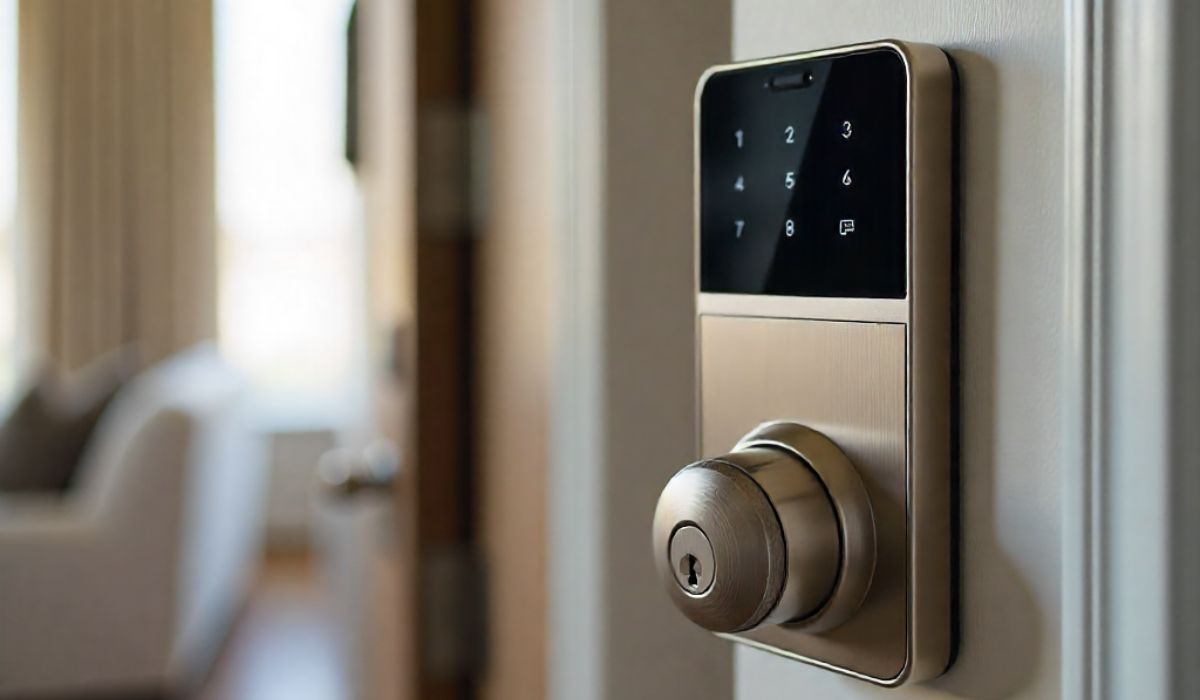
Smart locks allow you to control who enters your home and can notify you when doors are opened. Smart cameras provide remote viewing of your property.
While there’s a cost to these systems, they can deter burglars and provide evidence if an incident occurs, potentially saving you from theft or property damage.
Appliance Efficiency
Many modern appliances now come with smart capabilities. These allow for better control and optimization of their energy usage.
Smart Appliances
Appliances like refrigerators, washing machines, and dryers can be programmed to run during off-peak electricity hours, which can be cheaper in some areas.
They can also offer better diagnostics and alerts for maintenance, preventing breakdowns that could lead to replacement costs.
The Investment vs. Savings Equation
It’s important to be realistic about the initial costs of setting up a smart home. Smart devices can range from affordable smart plugs to more expensive smart appliances and security systems.
However, the question is Can home automation save money over time, and the answer is generally yes, if managed correctly.Calculating Potential Savings
Let’s look at a simplified example of how savings can add up:
| Area | Estimated Annual Savings | Initial Cost (Example) | Payback Period (Approx.) |
|---|---|---|---|
| Smart Thermostat | $100 – $300 | $100 – $250 | 1 – 2 years |
| Smart Lighting (5 bulbs) | $20 – $50 | $100 – $200 | 2 – 5 years |
| Smart Plugs (3) | $15 – $30 | $50 – $90 | 2 – 4 years |
| Water Leak Detector | Potentially thousands (prevented damage) | $30 – $60 | Immediate if preventing major leak |
These figures are estimates and can vary greatly depending on your location, energy prices, home size, and how you use the technology. The key is that the cumulative savings over several years can easily surpass the initial investment.
Choosing Wisely
To maximize savings, it’s best to start with devices that offer the most significant impact. Smart thermostats and smart lighting are often recommended first steps because of their direct influence on energy bills. Don’t feel pressured to automate everything at once.
Build your smart home gradually, focusing on areas where you see the biggest potential for savings.
Getting Started with Home Automation
Starting with home automation doesn’t have to be complicated. You can begin with just one or two devices and expand as you become more comfortable and see the benefits.
Step 1: Identify Your Goals
Before buying anything, think about what you want to achieve. Are you primarily looking to lower your energy bills? Improve home security?
Make your life more convenient? Your goals will help you choose the right devices.
Step 2: Start Small
A good starting point is a single smart plug or a smart thermostat. These are relatively inexpensive and offer noticeable benefits. For example, a smart plug can control a lamp or a fan, allowing you to turn it off remotely or schedule it.
This gives you a taste of what home automation can do.
Step 3: Choose Compatible Devices
Many smart home systems work with voice assistants like Amazon Alexa, Google Assistant, or Apple HomeKit. Ensure the devices you buy are compatible with your chosen ecosystem to avoid compatibility issues.
Step 4: Installation and Setup
Most smart home devices are designed for easy DIY installation. They usually connect to your home’s Wi-Fi network and are controlled via a smartphone app. Follow the instructions provided with each device for setup.
Step 5: Monitor and Adjust
Once your devices are installed, take advantage of the apps to monitor energy usage and adjust settings.
Most smart thermostats and smart plugs offer reporting features that show you how much energy you’re saving. This feedback can help you optimize your settings further.
FAQ Of Can Home Automation Save Money Over Time
How long does it take for home automation to start saving money?
You can often see a difference in your energy bills within the first few months, especially with smart thermostats and lighting. The full payback period for the initial investment can range from a few months to a couple of years, depending on the devices and your usage.
Are smart home devices expensive to run?
Smart home devices themselves consume a small amount of electricity, but this is typically very minor compared to the savings they generate. For example, a smart bulb uses less energy than a traditional incandescent bulb and offers far more control.
Can I automate my entire home at once?
While it’s possible, it’s usually more practical and cost-effective to start small. Begin with a few key devices that address your main goals, like energy saving, and then gradually add more as your budget and needs allow.
What happens if my internet goes down? Will my smart devices stop working?
Many smart home devices have a manual override or can operate on pre-set schedules even without an internet connection. However, remote control and advanced features will require a working internet connection.
Is home automation secure?
Reputable smart home devices use encryption to protect your data and network. It’s important to use strong, unique passwords for your Wi-Fi and smart home accounts and to keep device firmware updated to the latest versions.
Final Thoughts
As we’ve explored, the question of Can home automation save money over time has a clear positive answer for many households.
By intelligently managing energy, water, and even preventing potential damage through security and leak detection, smart home technology offers tangible financial benefits.
The initial cost of smart devices might seem like an expense, but when you look at the reduced utility bills and the avoidance of costly repairs or replacements, the investment often pays for itself.
The key to maximizing these savings lies in smart choices, starting with devices that offer the most direct impact on your bills, like thermostats and lighting.
Gradually building your smart home system allows you to control costs and see the benefits grow. Don’t feel overwhelmed by all the options; begin with simple devices and discover how they can make your home more efficient and your wallet happier.
Explore what makes sense for your home and start reaping the rewards.
![Smart Home Scenes Optimize Movie Nights and Romantic Dinners[1]](https://gigasecurehome.com/wp-content/uploads/2025/10/Smart_Home_Scenes__Optimize_Movie_Nights_and_Romantic_Dinners1-768x448.jpg)
![10 Home Automation Projects Ideal for Small Apartments Explained[1]](https://gigasecurehome.com/wp-content/uploads/2025/10/10_Home_Automation_Projects_Ideal_for_Small_Apartments_Explained1-768x448.jpg)


![How Colour And Light Placement Affect Night Time Visibility[1]](https://gigasecurehome.com/wp-content/uploads/2025/11/How_Colour_And_Light_Placement_Affect_Night-Time_Visibility1-768x448.jpg)