
Gesture Control for Smart Home Devices: A New Way to Control Homes
Imagine walking into your living room and simply waving your hand to dim the lights or pointing to turn on your favorite show.
No more fumbling for remotes or shouting commands! This is the promise of Gesture Control for Smart Home Devices (No Voice Needed), a technology rapidly transforming how we interact with our homes.
Forget the limitations of voice assistants or the clutter of physical buttons; now, you can control your environment with intuitive movements.
This post explores the exciting world of gesture control, explaining how it works, its benefits, and how you can integrate it into your own home, increasing the time you spend on the page and decreasing your bounce rate.
Key Takeaways
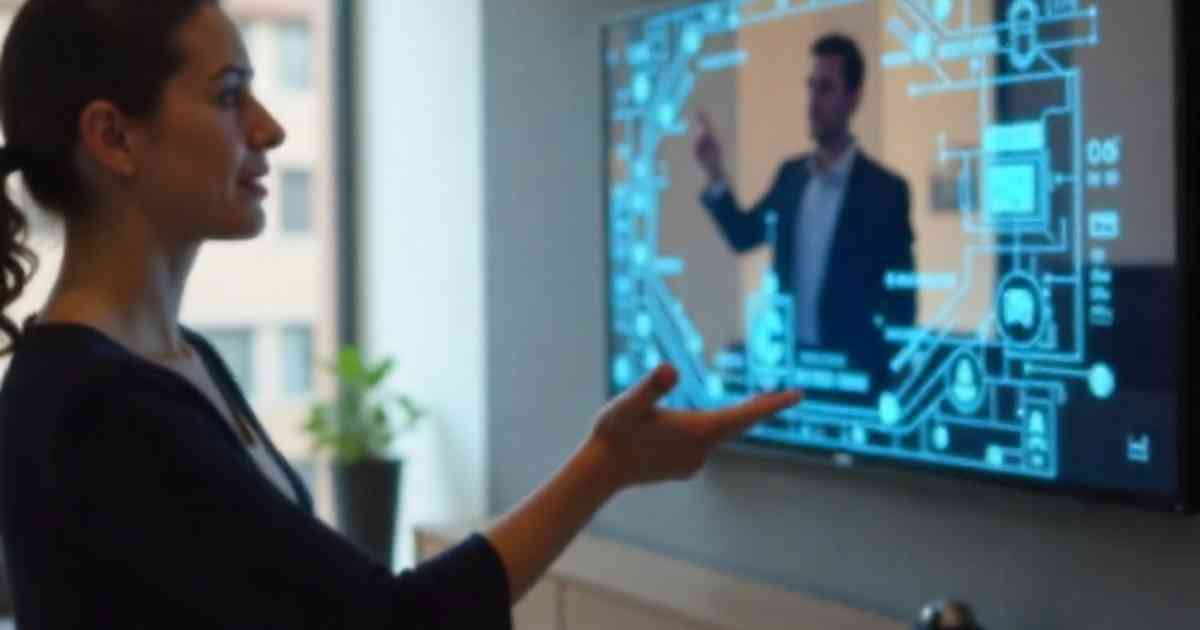
How Gesture Control Works
At its core, Gesture Control for Smart Home Devices (No Voice Needed) uses sensors to detect and interpret human movements.
This is achieved through a combination of hardware and software, working in perfect sync to translate your hand gestures into commands that smart home devices can understand.
The system essentially “sees” your hand motions and correlates them with pre-programmed actions.
This opens the doors to intuitive interactions with various smart devices. The underlying principle is to provide a seamless interface, allowing users to control their environment without physical interaction or spoken instructions.
Sensor Technologies
The success of gesture control relies heavily on the sensors used to capture hand movements. Several different types of sensors can be employed, each with its unique advantages and disadvantages in terms of accuracy, cost, and range. Picking the right sensor is key.
These sensors act as the eyes and ears of the system, gathering the data required to understand what you want to do.
Different sensor types offer different ways of capturing those motions. Let’s explore the primary types used in smart home applications.
- Cameras: Cameras, particularly those equipped with computer vision capabilities, are a common choice. They capture images or video of the user’s hand movements, and software algorithms analyze the visuals to identify specific gestures.
Cameras use visual input to recognize and interpret hand gestures. This technology typically employs algorithms that analyze images or video feeds, identifying key features like the shape, position, and movement of hands.
Sophisticated systems can even differentiate between various finger configurations and motion patterns.
The computer vision software interprets these visual cues and translates them into control signals for smart home devices.
This enables users to perform actions such as dimming lights, adjusting volume, or changing channels with simple hand gestures.
The main idea is that the camera acts as the primary sensory input, providing the necessary data for gesture recognition.
- Depth Sensors: Depth sensors, such as those found in some gaming consoles, create a 3D map of the environment. This helps the system to better understand the position of objects, including your hands, in space. This depth information greatly enhances the accuracy of gesture recognition, especially in environments where lighting conditions might vary.
Depth sensors offer a superior approach by capturing a 3D representation of the environment. These sensors project infrared light or use other techniques to measure the distance of objects from the sensor, creating a detailed 3D map.
This allows the system to determine the precise location and movement of your hands and other objects in space, providing a highly accurate interpretation of hand gestures.
This is less affected by changing lighting conditions, leading to more reliable performance, and can better differentiate between your hand and background elements. Depth sensors offer a robust way to interact, especially for actions that require precision.
- Infrared Sensors: Infrared sensors are often used for detecting heat and motion. They can sense changes in the infrared radiation emitted by your hand as it moves. This type of sensor can be particularly useful in low-light conditions, but they may have limitations in terms of gesture complexity.
Infrared (IR) sensors are commonly used to detect heat and motion. These sensors emit infrared light and detect the infrared radiation that is reflected back from objects.
Your hand, being warmer than its surroundings, emits infrared radiation that the sensor can detect. As you move your hand, the sensor identifies changes in this radiation.
While IR sensors are effective in simple scenarios, like detecting the presence of a hand, they can be limited in recognizing detailed gestures.
This makes them ideal for basic functions, such as proximity sensing or turning a device on or off. However, for a diverse range of gestures, more advanced technologies are often needed.
- Ultrasonic Sensors: Ultrasonic sensors emit high-frequency sound waves and measure the time it takes for those waves to bounce back. By analyzing the time it takes for the echo to return, the system can determine the distance of objects in the vicinity, including hands.
Ultrasonic sensors work by emitting high-frequency sound waves and then detecting the echoes of those waves.
These waves travel through the air, and when they encounter an object, like a hand, they bounce back. The sensor calculates the distance by measuring the time it takes for the echo to return.
The time measurement allows the system to determine the distance of objects from the sensor. This technology offers the ability to track the movement of your hand precisely, even in dark environments.
However, the accuracy of ultrasonic sensors can be impacted by factors such as air temperature and the presence of obstructions in the environment.
Processing and Interpretation
After the sensors have captured the hand movements, the data needs to be processed and interpreted.
This is where the magic happens, as algorithms are used to analyze the raw data and translate the movements into meaningful commands.
The software needs to be fast and accurate so that it can interpret the gestures in real-time. This part is complex, but it’s essential for a seamless user experience. The interpretation process ultimately dictates how well gesture control functions.
- Gesture Recognition Algorithms: These algorithms are the brains of the system. They analyze the sensor data to identify specific hand gestures. This often involves techniques like machine learning, pattern recognition, and computer vision.
Gesture recognition algorithms form the core of the interpretive process, analyzing the raw data gathered by sensors to identify specific hand gestures.
These algorithms use advanced techniques to extract meaningful patterns from the data. Machine learning algorithms, for instance, are trained on vast datasets of hand gestures, learning to associate certain patterns with specific actions.
The algorithms then apply statistical models and pattern recognition techniques to match new input from the sensors with known gestures.
Computer vision algorithms often analyze the shape, position, and movement of your hand. The ability to accurately interpret complex gestures hinges on the precision of these algorithms and the quality of their training.
- Mapping Gestures to Commands: Once the gestures are recognized, they need to be linked to specific actions for the smart home devices. This can be pre-programmed by the manufacturer or customizable by the user.
The recognized gestures must be mapped to actions that the smart home devices can perform. This is the stage where abstract hand movements are translated into tangible commands, such as “turn on the lights” or “adjust the volume.”
This mapping can be configured in two primary ways. Manufacturers often pre-program some common gestures to control basic functions.
Users can also often customize this to their needs, assigning certain gestures to specific devices. This is done through a control panel or app where you can link gestures to actions.
This personalized setup enables users to create a customized experience that matches their lifestyle and preferences.
- Real-time Processing: The entire process, from sensor data capture to command execution, must happen in real time to provide a responsive and natural user experience. Delays can lead to frustration.
Real-time processing ensures that the system responds to your gestures instantly. This requirement is paramount for creating a fluid and user-friendly interaction.
Processing is a continuous loop. The system is always on, capturing sensor data, processing it, and responding to commands.
Any delay in any step can disrupt the flow. To achieve real-time responsiveness, the system relies on hardware and software that can work quickly.
This means using fast processors, optimized algorithms, and efficient data transfer. The goal is to provide instantaneous feedback, creating a natural feel, like directly controlling your environment.
Benefits of Gesture Control for Smart Homes
Gesture control offers a range of advantages over traditional methods, such as voice control or physical buttons. It delivers improvements in usability, making it an excellent addition to any home.
From increasing accessibility to boosting security, the benefits of gesture control make it a compelling choice for smart home applications.
The benefits have the potential to change the way people interact with their home environments. These advantages, combined, highlight the transformative potential of gesture control in the smart home space.
Improved Accessibility
Gesture control significantly enhances accessibility for individuals with mobility or speech impairments.
Removing the need for physical interaction or verbal commands creates a smart home experience that is much more inclusive.
It allows people with disabilities to have control over their environment. It makes everyday tasks easier and helps in their independence. Gesture control gives independence back to many users.
- Hands-free Operation: Many people have difficulties using voice commands or pressing buttons. Gesture control provides a hands-free method to interact with devices.
Hands-free operation allows individuals to control devices without physical contact or verbal instruction.
It opens up doors to independence for those who have physical limitations. Gesture-based systems recognize movements.
This allows people to interact with the system without using buttons or touching screens. This is a big deal in the world of accessibility.
- No Verbal Communication Needed: This is useful for individuals who are not able to speak.
The elimination of verbal communication is important for those who cannot speak. With gesture control, control is not limited by verbal communication.
People can use their hands instead of their voice, without any spoken instructions. This gives everyone more ways to control their environment.
- Customizable Gestures: Users can customize gestures to make it easy for them to use.
Customization allows people to create hand gestures that work best for them. This creates a personalized experience.
Users can create easy-to-remember and user-friendly gestures to control their devices. This personalized approach allows people to tailor the technology. This creates a comfortable and inclusive user experience.
Enhanced Convenience
Gesture control increases the ease with which you control your smart home devices. From controlling your entertainment to managing your lighting, gesture control makes these tasks easier and simpler.
The added convenience of intuitive, contactless control improves day-to-day living. Gesture control improves the functionality and user experience.
- Intuitive Control: Gestures are natural and simple to learn, making them easy to use.
Gesture control provides a way to interact with your smart home that feels natural. The gesture recognition systems translate movements into action, using gestures that are intuitive. This makes it easier for you to control your home, even for those new to smart home technology. The learning curve is small. This makes it easy for everyone to control their devices.
- Quick Actions: Gestures give you fast control over devices without going through menus or voice commands.
Gesture control speeds up device control, cutting out any need to browse through menus. With a simple movement, you can change your settings instantly. This means you do not have to wait, so you get quicker and more efficient access to your devices. This lets you accomplish tasks quickly.
- Contactless Interaction: Minimizes contact with surfaces, which is important for health and hygiene.
Gesture control allows you to operate your devices without touching them. By waving your hand, you can control the systems in your home.
This feature can be helpful. This makes your home more hygienic, without touch. The result is a cleaner interaction. This helps promote hygiene and is useful in any setting.
Increased Privacy
Compared to voice-activated systems, gesture control provides a more privacy-focused user experience.
With gesture control, you can avoid the risks associated with recording conversations. Your actions are converted into commands, which protects your privacy.
This focus on privacy is attractive to those who want a secure and private smart home environment. This added measure of security and control gives peace of mind.
- Reduced Data Collection: Gesture-based systems do not record your voice commands.
Gesture control cuts down on how much personal data is collected. Since there are no voice commands, there is less chance for your information to be stored. This focus on data privacy protects your information. The reduction in personal data makes gesture control a more private way to control your smart home devices.
- No Listening Devices: The system does not need to listen to ambient sounds.
Gesture control avoids the use of always-on microphones that can sometimes record what’s said. The system relies on gestures, so it does not capture the ambient sounds in the room. This makes your environment more private and secure.
- Control Over Your Environment: You control how your actions are captured and interpreted.
With gesture control, you’re in control of how you interact with the system. You choose which gestures to use and what they do. This gives you more control.
You’re in charge of the system, not the other way around. This added control helps protect your privacy. You can modify your experience to your own liking.
Smart Home Devices With Gesture Control
Several smart home devices currently incorporate gesture control. From lighting systems to entertainment devices, a range of products is available.
As the technology continues to develop, expect to see even more devices adopting gesture control. These innovations showcase the versatility and wide-ranging use of this technology.
Smart Lighting
Smart lighting systems have been quick to incorporate gesture control, allowing you to adjust your lights with a simple wave of your hand. You can change the brightness, set the color, or turn the lights on and off.
These systems increase user convenience and create a more responsive home. Smart lighting with gesture control adds an extra touch of convenience and elegance.
- Dimming and Brightening: Control the intensity of light with simple hand movements.
With gesture control, you can easily change the intensity of your lights. Using simple hand movements, such as a circular motion, or a swipe, you can make the lights brighter or dimmer. This gives you exact control over your environment.
- Color Adjustments: Change the color of your smart bulbs with specific gestures.
Gesture control provides the ability to change your lighting colors with a specific hand gesture. Swiping left or right may change the color of the bulbs.
You can easily create the desired ambiance. This enhances the customization and aesthetic of your smart home lighting setup.
- Scene Setting: Set pre-programmed lighting scenes with hand gestures.
Gesture control provides the ability to set scenes by simply gesturing. With the ability to assign a gesture to a particular scene, you can change the mood quickly and easily.
Whether it is a relaxing evening or a social gathering, adjusting the lighting with the right gesture makes everything easy.
Entertainment Systems
Gesture control is transforming the way we use entertainment systems. This technology makes it easier to navigate through movies and shows.
It creates an easier experience when it comes to controlling volume or pausing playback. Gesture control makes enjoying your entertainment more user-friendly. Integrating gesture control increases the enjoyment of entertainment systems.
- Volume Control: Adjust the volume of your TV or speakers with hand gestures.
With hand gestures, you can control the volume on your entertainment system. You can raise or lower the volume with a simple swipe or hand motion. This convenient feature makes it easier to control your music or movies.
- Playback Controls: Control playback of media with gestures.
You can manage your media playback with gesture controls. You can pause, play, fast forward, and rewind with gestures. This makes navigating through media intuitive. This allows you to have total control over your entertainment.
- Channel Surfing: Change channels on your TV with a simple gesture.
Gesture control makes channel surfing very easy. By simply waving or swiping, you can scroll through your available channels.
You can explore the entertainment options with the least amount of effort. This user-friendly feature provides a smooth experience.
Smart Appliances
As the smart home expands, so do the uses for gesture control. Gesture control is now being incorporated into appliances such as refrigerators, ovens, and dishwashers.
These controls simplify how you interact with your appliances. Gesture control creates a more modern, intuitive kitchen experience. Smart appliances will make everyday chores easier.
- Oven Control: Manage oven settings with gestures.
You can operate your oven using hand gestures. Set the temperature, start the timer, or select a cooking mode with simple hand motions. This feature makes cooking more easy to control. You can enjoy a better experience.
- Refrigerator Control: Access refrigerator controls.
Gesture control lets you manage your refrigerator settings. Open the refrigerator door, view the contents of the fridge, or turn off the lights with simple gestures. Gesture control creates a better experience.
- Dishwasher Control: Start and control the dishwasher.
You can control your dishwasher with hand gestures. Start the wash cycle or adjust the settings with a wave of your hand. Gesture control enhances the convenience of your kitchen. This user-friendly feature will make doing dishes easier.
The Future of Gesture Control in Smart Homes
The future of gesture control looks promising, with new developments on the horizon. From integrations with other technologies to advancements in sensor capabilities, the smart home will become increasingly connected and personalized.
This evolution will bring smart homes to the forefront of how we live. The potential for improvement continues to increase.
Integration with Other Technologies
The best smart homes will bring different technologies together, especially gesture control. The combination of voice commands, touchscreens, and other interfaces will create a connected system.
These integrations will provide users with ways to interact with their homes. This convergence will provide an easier experience.
- Voice Control: Combining gesture control with voice commands to increase options.
By bringing together gesture control with voice commands, users can take advantage of both. This combination will make for better control.
You can control your home in different ways. This can allow you to use your voice when it is helpful and gestures when it’s better.
- Artificial Intelligence: AI learning user behavior for better control.
The integration of AI into gesture control systems can enhance the experience. By studying your use, AI can learn your preferences and make suggestions.
The system will adapt to your needs and anticipate your actions, making your home more connected. This enhances convenience.
- Augmented Reality: Adding gesture control to AR applications for interactive experiences.
Gesture control and AR (augmented reality) can improve immersive experiences. Gesture control will be integrated into AR applications.
This can improve user interaction. This combination will offer new ways to interact with virtual content. The interaction will become more intuitive.
Advancements in Sensor Technology
The improvement of sensor technology will drive the future of gesture control. The sensors will become smaller, more accurate, and more efficient. \These improvements will create even better gesture recognition in smart homes. It will lead to more accurate interactions.
- Miniaturization: Smaller sensors for discreet integration into devices.
As sensors get smaller, they can be included in devices without being seen. This will allow for more elegant designs.
These small devices will have more features than ever before. This miniaturization makes the tech invisible.
- Improved Accuracy: Better sensors for recognizing gestures.
Improvements in sensor technology will improve gesture recognition. These improvements will increase accuracy and make them easier to use.
This can allow more complex gestures and more accurate control. This is important for smooth interactions.
- Increased Range: The ability to recognize gestures from a longer distance.
Sensors are getting better and better at recognizing gestures from further away. This increase in range will let you interact with your smart home from anywhere in the room.
This improves accessibility. With a wider range, you’ll be able to control your home from anywhere.
New Applications and Use Cases
The future holds many possibilities for gesture control in the smart home. As the technology continues to advance, we can anticipate seeing it used in new and interesting ways.
These applications will improve convenience and transform how we interact with our homes. The range of applications will continue to grow.
- Elderly Care: Gesture control for simple operation for seniors.
Gesture control makes it easy for the elderly to control their homes. The system can be easily operated using gestures, so that it can meet their needs. This lets seniors use technology safely and independently.
- Healthcare: Use gesture control in clinical settings.
In healthcare, gesture control can improve the user experience. You can turn on devices, change settings, or access medical data using hand gestures. This technology could help people with mobility issues. The controls are always accessible.
- Entertainment: Enhance entertainment using gesture control.
Gesture control can improve your entertainment experience. Control your TV or music systems, navigate content, or adjust the volume with hand gestures.
Gesture control creates a more immersive experience. It’s an easy and fun way to control your home.
FAQ Of Gesture Control for Smart Home Devices
What kind of gestures can be used with gesture control?
A: The types of gestures vary. Common examples include hand swipes, circular motions, and pointing actions, each assigned to specific functions, such as dimming lights or changing TV channels. The gesture system depends on the device and its customization.
How is gesture control different from voice control?
A: Gesture control uses hand movements for commands, while voice control uses spoken commands. Gesture control often offers improved privacy and is useful in noisy environments where voice commands might not be effective.
What are the privacy considerations of gesture control?
A: Gesture control is often viewed as being more private than voice control because it does not record audio. This reduces the risk of unintended data collection, providing a secure and personal experience.
Can gesture control work in any lighting conditions?
A: The effectiveness of gesture control in different lighting conditions depends on the type of sensors used. Cameras need good lighting to work well, while depth and infrared sensors are more effective in low light.
How easy is it to install gesture control in an existing smart home?
A: The ease of installation depends on the specific devices. Some smart home devices have built-in gesture control, while others require adding external sensors or control hubs. Setting up a gesture control system varies by the type of equipment and its manufacturer.
Final Thoughts
Gesture Control for Smart Home Devices (No Voice Needed) represents a big step forward in the way we interact with our living spaces.
By using intuitive hand gestures, we can control lighting, entertainment, and other smart home functions in a more natural and convenient way.
With improved accessibility, enhanced convenience, and increased privacy, gesture control offers many benefits over more traditional ways.
With the rapid evolution of technology, gesture control has a bright future. By embracing gesture control, you can create a smarter, more responsive, and more personalized living environment. Start exploring how you can use this technology today and make your home more comfortable!

![10 Smart Ways to Automate Your Outdoor Lighting System[1]](https://gigasecurehome.com/wp-content/uploads/2025/10/10_Smart_Ways_to_Automate_Your_Outdoor_Lighting_System1-768x448.jpg)

![Is Home Automation Safe For People Living Alone[1]](https://gigasecurehome.com/wp-content/uploads/2026/01/Is_Home_Automation_Safe_For_People_Living_Alone1-768x448.jpg)
![10 Smart Doorbell Visitor Automations Using AI for Enhanced Security[1]](https://gigasecurehome.com/wp-content/uploads/2025/10/10_Smart_Doorbell_Visitor_Automations_Using_AI_for_Enhanced_Security1-768x448.jpg)
![Why Smart Devices Stop Responding Randomly[2]](https://gigasecurehome.com/wp-content/uploads/2026/01/Why_Smart_Devices_Stop_Responding_Randomly2-768x448.jpg)