Home Safety Planning for New Foster or Adoptive Placements
Key Takeaways
- You will learn how to identify and eliminate potential hazards within your home.
- You’ll discover essential safety checks for different areas of your home, like the kitchen and bathroom.
- This post guides you through preparing your home for a child of any age.
- You’ll gain access to resources and support systems to help you during this transition.
- You will explore how to teach your child about home safety, promoting their wellbeing.
- You’ll discover how to create a supportive and loving environment for the child.
Imagine the excitement! You’ve been approved, the paperwork is done, and you’re preparing for a new child to join your family.
But before that precious little one arrives, there’s a vital task: home safety planning. Many parents find the process of welcoming a new child overwhelming, and it can be especially challenging to prepare when you’re anticipating a foster or adoptive placement.
This guide equips you with the knowledge and tools you need to create a safe and nurturing environment for your new child, offering peace of mind and supporting a successful transition.
You’ll learn about vital safety checks, essential preparations, and resources to help you create a secure haven. This will help you feel more comfortable and ready to care for your new child.
Preparing Your Home: The Foundation of Home Safety Planning
Preparing your home isn’t just about making it look nice; it’s about creating a safe and welcoming space where a child can thrive.
This involves a comprehensive assessment of your living environment to identify and mitigate potential risks.
This is the bedrock of home safety planning for foster or adoptive families receiving a new child. From securing furniture to installing safety gates, every step contributes to the child’s well-being. Think of it as creating a secure haven where the child feels loved and secure.
Safety Checklist: Start Here
- Inspect your home for hazards: A good starting point is a thorough visual inspection. Walk through each room, looking for potential dangers.
Walk through your home, room by room, with fresh eyes. Imagine what a child might see or touch. Look for anything that could be dangerous, like sharp corners, unstable furniture, or accessible cleaning supplies. Note any areas that need attention and create a checklist to ensure you’ve addressed everything.
- Address fall risks: Falls are a common cause of injury in children. Focus on preventing falls from windows, stairs, and furniture.
Protecting a child from falls is key. Secure windows with safety devices to prevent them from opening too wide. Install safety gates at the top and bottom of stairs.
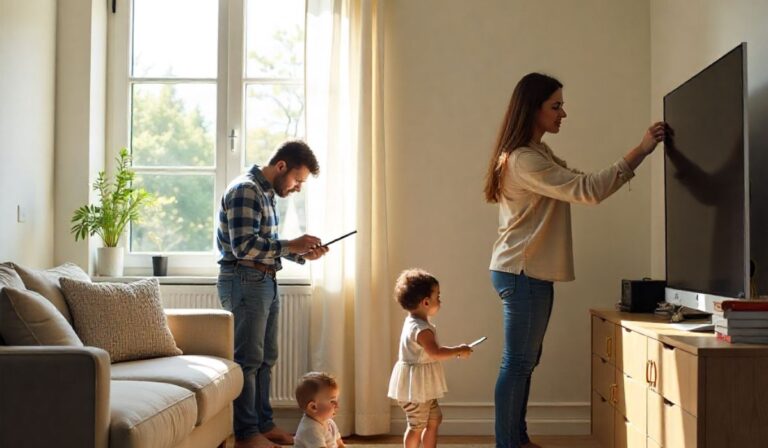
Anchor furniture to the walls to prevent it from tipping over if a child tries to climb it. These simple precautions significantly reduce the risk of injury.
- Secure electrical outlets and cords: Electrical hazards pose a significant risk to young children.
Electrical safety is paramount. Cover all electrical outlets with outlet covers to prevent a child from sticking anything inside.
Keep electrical cords out of reach or concealed behind furniture. Make sure all electrical appliances are in good working order and not frayed or damaged.
Age-Appropriate Preparations
- Infant Safety: For infants, the focus is on a safe sleep environment and protection from choking hazards.
If you’re welcoming an infant, ensure a safe sleep space is established. This means a firm, flat surface in a crib or bassinet with no loose bedding, pillows, or stuffed animals.
Ensure that small items are kept out of reach to avoid choking. Be extra vigilant about monitoring the infant when they are awake and moving around in the home.
- Toddler and Preschooler Safety: These age groups require extra vigilance due to their increased mobility and curiosity.
Toddlers and preschoolers are naturally curious and explore everything. Install safety gates to restrict access to stairs and hazardous areas.
Secure cabinets and drawers with childproof locks to prevent access to harmful substances or objects.
Remove any small objects that could be choking hazards. Supervise these children, especially when they are exploring and interacting with their environment.
- School-Age Child Safety: Focus shifts towards education and teaching about potential dangers and establishing rules.
With older children, the focus shifts to education. Teach them about safety rules and what to do in different situations, like what to do if they find medication or what to do in case of a fire.
Discuss internet safety and the importance of stranger danger. It’s also important to ensure your home has a safe and accessible area for your child to do homework and relax.
The Kitchen: A Hub of Activity and Potential Hazards
The kitchen is often the heart of the home, but it can also be a source of various dangers for children. Proper precautions are essential to prevent accidents.
From sharp knives and hot surfaces to cleaning products and breakable items, many things pose risks. Implementing effective safety measures ensures that the kitchen remains a place for delicious meals and family time.
Kitchen Safety Measures
- Secure harmful items: Cleaning products and medication must be stored securely.
All cleaning supplies, medications, and other potentially hazardous items should be locked away in a cabinet or drawer that the child cannot access.
If possible, consider storing these items in a separate area of the house. Make sure to clearly label everything and never transfer chemicals to unmarked containers.
- Prevent burns and scalds: Hot surfaces and liquids require careful attention.
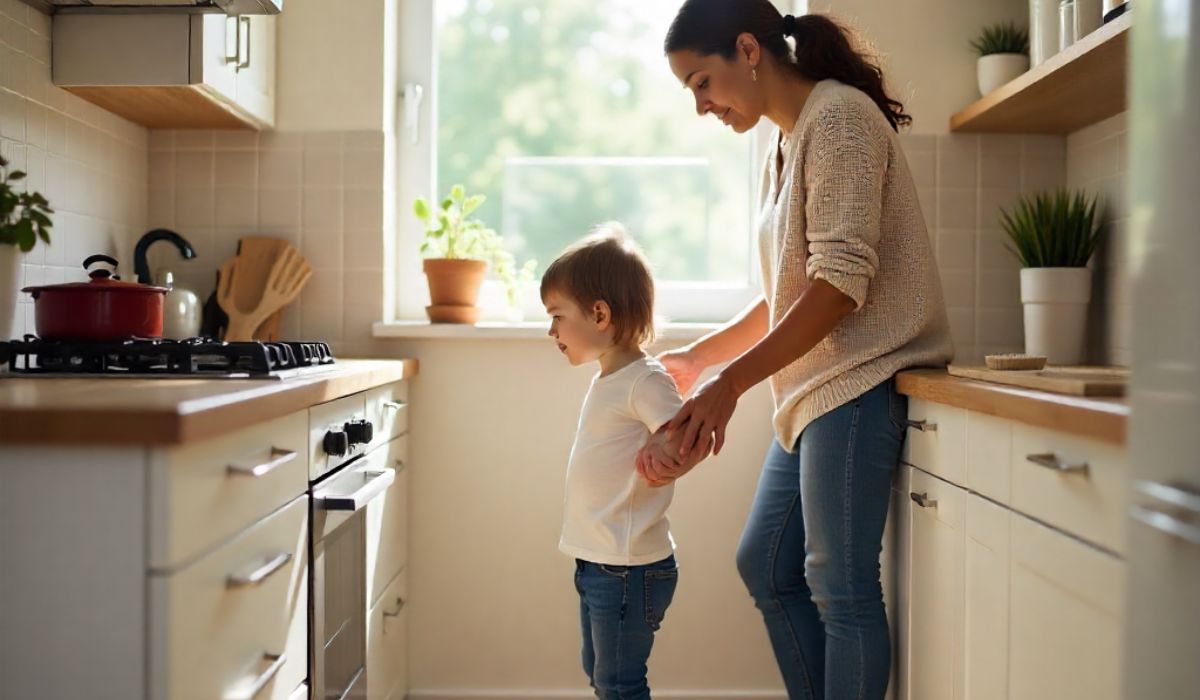
Use stove guards to prevent children from reaching hot burners and handles. Turn pot handles inward to prevent them from being pulled down.
Keep hot foods and liquids away from the edge of counters and tables. Consider using placemats that are resistant to heat to further protect your surfaces.
- Choking Hazards: Keep food preparation areas tidy and free of small items.
Keep the kitchen counters clean and free from any small items that could be choking hazards. Chop food into bite-sized pieces and supervise children closely while they are eating.
Encourage children to sit while they eat, to reduce the risk of choking. Educate older children about the dangers of choking.
Creating a Safe Kitchen Environment
- Implement Safety Rules: Discuss kitchen rules with the child, appropriate to their age.
Establish clear rules about what the child can and cannot do in the kitchen. For instance, instruct them never to touch the stove or oven, and never reach for items on the counter.
Make sure the child understands the reasoning behind the rules. Reinforce these rules consistently and model safe kitchen behaviors.
- Supervision: Never leave children unsupervised in the kitchen, especially when using the stove or oven.
Constant supervision is critical. Even when you are not actively cooking, keep an eye on children to ensure they are not touching anything dangerous or trying to access off-limits items.
If you need to step away from the kitchen for any reason, take the child with you, or ensure another adult is available to watch over the child.
- Training: Teach the child about the safe use of kitchen appliances as they grow older.
As the child grows older, introduce them to the safe use of kitchen appliances, like the microwave, toaster, and blender. Teach them how to use these appliances safely and under supervision.
Ensure the appliances are in good condition, and that cords are out of reach. Encourage the child to participate in age-appropriate cooking activities to build their culinary skills.
Bathrooms: A Focus on Water and Safety
The bathroom presents unique safety challenges because of the presence of water and slippery surfaces.
Water can lead to slips and falls, and the presence of medications and cleaning products poses other risks.
Creating a safe bathroom environment is essential to protect children from accidents. Careful planning and consistent vigilance are critical in this space, often used daily.
Bathroom Safety Preparations
- Prevent Slips and Falls: Use non-slip mats in the bathtub and on the bathroom floor.
Non-slip mats are essential for preventing falls, especially in the tub or shower. Ensure the floor is dry before the child enters the bathroom.
Consider using a non-slip mat outside the tub or shower to provide additional traction. Teach children how to walk safely in the bathroom, and to be careful when moving around.
- Supervision: Never leave children unattended in the bath or near water.
Never leave a child unattended in the bathtub or near any water source. The child could slip and fall, or even drown.
Always supervise children while they are in the bathroom. If you need to step away for a moment, take the child with you. Constant vigilance and supervision are crucial.
- Medication Safety: Store all medications, and other dangerous items securely.
All medications, cleaning products, and other harmful substances must be stored in a locked cabinet or out of reach.
Make sure the child cannot access the medicine. Be sure to explain to older children that medication should only be taken when an adult gives it to them. Also, keep all personal care products like razors safely stored.
Additional Bathroom Safety Tips
- Water Temperature: Always check the water temperature before putting a child in the tub.
Before putting a child in the bath, always check the water temperature. The water should be comfortably warm, not hot.
Test the water with your hand or arm before allowing the child in the tub. This will help prevent burns.
- Electrical Safety: Ensure electrical appliances are kept away from water.
Keep all electrical appliances, such as hair dryers and electric shavers, away from the water. Make sure that any electrical outlets near the bathroom are equipped with ground fault circuit interrupters (GFCIs) to shut off the power if a short circuit occurs. Teach the child about the dangers of using electrical appliances around water.
- Bathroom Doors: Use door locks or covers to prevent unsupervised access.
Consider using a door cover on the bathroom door to prevent the child from entering the bathroom unsupervised. You can also use a lock that the child cannot reach.
It’s essential to teach children not to play in the bathroom unless an adult is present. Consider keeping a first aid kit in the bathroom, in case of any incidents.
Additional Areas to Consider for Home Safety Planning for Foster or Adoptive Families Receiving a New Child
Home safety planning extends beyond the kitchen and bathroom. Bedrooms, living rooms, and outdoor spaces also require careful assessment to identify and mitigate potential hazards.
Ensuring a safe environment throughout the home will promote a sense of security and well-being for the child, which is key to your home safety planning for foster or adoptive families receiving a new child.
Living Areas and Bedrooms
Anchoring furniture to the walls is a crucial safety measure to prevent tip-overs. This includes bookshelves, dressers, and televisions.
Ensure the furniture is sturdy and in good condition. Use furniture straps or brackets to secure these items. Regularly check the anchors to make sure they’re secure.
- Window Safety: Install window guards or stops to prevent falls.
If you have windows, install window guards or stops to prevent the child from falling out. Ensure windows are easily opened for adults in case of an emergency.
Keep windows locked when children are present. Position furniture away from windows, or keep blinds closed to further reduce any hazards.
- Choking Hazards: Remove small objects and potential hazards.
Remove any small objects that could be choking hazards. This includes small toys, coins, buttons, and other items that can fit into a child’s mouth.
Regularly inspect the child’s toys to ensure they are age-appropriate and in good condition. Ensure the child knows that they should never put anything in their mouth that is not food.
Outdoor Safety
- Fencing: Ensure adequate fencing around the yard and pool to prevent the child from wandering off.
If you have a yard, ensure it is fully fenced with gates that lock. Keep the gates locked at all times. If you have a swimming pool, it should be completely enclosed with a secure fence that the child cannot climb.
Regularly inspect the fence to make sure it is in good condition and there are no gaps. Regularly supervise the child, particularly when outdoors.
- Playground Safety: Ensure play areas are safe and free from hazards.
Inspect the play area for any potential hazards. Ensure that the play equipment is in good condition, with no sharp edges or loose parts.
Check that the surface beneath the play equipment is safe, such as soft rubber, wood chips, or sand. Do not leave the child unattended in the play area.
- Pest Control: Use child-safe pest control methods and keep them out of reach.
Use child-safe pest control methods to protect the child from potential hazards. Store all pest control products in a locked cabinet or out of reach.
Make sure to follow the product’s instructions carefully. Regularly inspect the areas where pest control products are used to ensure that there are no leaks or spills. Involve the child in maintaining safety by educating them about pest control dangers.
Resources and Support Systems
Creating a safe home environment can be overwhelming. Fortunately, various resources and support systems are available to help.
These resources offer guidance, education, and practical assistance. Reach out to these sources for help with home safety planning for foster or adoptive families receiving a new child; the journey can be made easier with the right support.
Local Resources
- Social Services: Utilize the support available from your local social services agency.
Your local social services agency can provide valuable assistance and support. They can offer guidance on home safety, child development, and other topics.
They may also provide financial assistance for home modifications or safety equipment. Reach out to your local agency for help and information.
- Parenting Classes: Enroll in parenting classes to learn about child safety and development.
Parenting classes are a great way to gain knowledge and learn new skills. They can cover a range of topics, including home safety, child development, discipline strategies, and more.
Find local parenting classes online or by contacting your local community center. Look for classes specific to foster or adoptive parents.
- Home Safety Inspections: Request home safety inspections from local organizations.
Some local organizations offer free or low-cost home safety inspections. These inspections will help you identify potential hazards in your home and provide recommendations for improvement.
These professionals will come to your home to assess your safety measures. Contact your local fire department or health department to ask about available home safety inspection services.
Online Resources
- Government Websites: Explore the resources available from government websites.
Government websites offer a wealth of information. You can often find detailed guides, checklists, and safety tips.
Look to the CDC (Centers for Disease Control and Prevention), and the Consumer Product Safety Commission (CPSC) for valuable resources. Familiarize yourself with their suggestions for a safer home.
- Child Safety Organizations: Learn from child safety organizations.
Organizations like Safe Kids Worldwide offer information and resources on various child safety topics, including home safety.
Their websites often feature tips, checklists, and educational materials. Check the organization’s website for webinars, workshops, and downloadable resources. Consider using their resources to tailor your safety plan.
- Support Groups: Connect with other foster or adoptive families.
Joining a support group can provide valuable emotional support and practical advice. Connect with families facing similar experiences, and share your experiences and insights.
The foster or adoption agencies in your area can often help you find local support groups. Consider online support communities for advice and shared experiences.
Teaching Your Child About Safety
Creating a safe home environment is not only about physical safety measures, but it is also essential to teach the child how to stay safe.
Education and consistent reinforcement help them understand potential dangers and make smart decisions.
Teaching your child how to stay safe is an important part of home safety planning for foster or adoptive families receiving a new child.
Age-Appropriate Safety Education
- Toddler Safety Education: Keep things simple.
For toddlers, education starts with simple rules and clear instructions. Use simple language and visual aids to help them understand.
Repeat the rules frequently and consistently. The child might need to be shown things multiple times. Be patient, and keep safety messages positive.
- Preschooler Safety Education: Provide more detailed explanations.
Preschoolers are more ready to understand the “why” behind safety rules. Explain the reasons behind safety precautions in more detail.
Use stories and role-playing to illustrate dangerous situations and how to respond. Encourage the child to ask questions, and answer them with patience and clarity.
- School-Age Child Safety Education: Encourage self-reliance.
School-age children can handle more complex information and responsibility. Discuss potential dangers and how to handle them.
Teach them about internet safety, stranger danger, and fire safety. Role-play different scenarios and encourage them to make their own choices. Be available to answer questions and offer ongoing support.
Reinforcing Safety Messages
- Model Safe Behavior: Lead by example.
The best way to teach children about safety is to model safe behavior yourself. Always follow the safety rules, and demonstrate how to handle potentially dangerous situations.
When the child sees you following safety practices, they’re more likely to adopt the same behaviors. Be a role model for safe behavior.
- Consistency: Apply safety rules consistently.
Consistency is key to reinforcing safety messages. Enforce the rules in a consistent manner, without exception.
This provides the child with a clear understanding of what is expected. Make sure all caregivers and family members also follow the rules. Being consistent makes safety practices more effective.
- Positive Reinforcement: Praise and reward safe behaviors.
Positive reinforcement is an effective way to encourage safe behaviors. Praise the child when they follow safety rules or make safe choices.
Offer rewards, such as stickers or special privileges, to reinforce positive behaviors. Create a positive and encouraging environment, where the child feels safe.
Fostering a Supportive Environment
Beyond physical safety, creating a supportive and loving environment is essential for the child’s well-being.
This involves creating a space where the child feels loved, respected, and safe to express themselves.
A supportive environment can greatly contribute to the overall success of the placement. Developing a nurturing home is as important as the mechanics of home safety planning for foster or adoptive families receiving a new child.
Building a Secure Attachment
- Consistency and Predictability: Create a predictable routine to provide a sense of security.
Consistency is essential for building a secure attachment. Establish a predictable routine for meals, bedtime, and other activities.
This creates a sense of safety and predictability. Keep in mind that a predictable schedule helps reduce anxiety. Clear expectations and routines can make a big difference.
- Emotional Support: Provide emotional support and validation.
Provide the child with emotional support and validation. Listen to their concerns and feelings. Offer reassurance and comfort during times of stress or change.
Encourage them to express their emotions in healthy ways. Creating an environment where the child feels comfortable sharing emotions helps with their overall wellbeing.
- Open Communication: Foster open communication to promote trust.
Open communication is essential for building a trusting relationship. Make sure that the child is able to communicate their needs and concerns.
Listen without judgment and address any concerns. Create a space where the child feels comfortable expressing themselves. Open communication builds trust and helps strengthen your bond.
Creating a Welcoming Home
- Personalization: Allow the child to personalize their space.
Allow the child to personalize their space, such as their bedroom. This allows the child to feel at home and have their own space.
Involve them in decorating decisions, and let them choose the furniture, bedding, and other items. This gives them a sense of ownership, and helps them feel more comfortable.
- Family Involvement: Include the child in family activities.
Involve the child in family activities, such as meals, outings, and special events. This helps the child integrate into the family.
Make sure that they feel included and valued. Encourage the child to participate in decision-making and household chores. Creating a strong family bond promotes a sense of belonging.
- Celebrate Individuality: Encourage the child to embrace their individuality.
Celebrate the child’s individuality. Encourage them to pursue their interests and hobbies. Help them develop a sense of self-esteem and confidence. Support their unique talents and abilities.
Create an environment where they feel loved and accepted for who they are. Encourage them to make choices that align with their interests.
FAQ Of Home Safety Planning for New Foster or Adoptive Placements
Question: What do I do if I don’t know the child’s history?
Answer: When you do not have the child’s history, prioritize general safety. Focus on age-appropriate safety measures and general precautions. Ensure the home is safe for any potential issues.
Question: How do I childproof my home if I have pets?
Answer: It’s important to create separate spaces for the child and pets. Use baby gates to restrict access to certain areas, and ensure all pet-related items are kept out of reach.
Question: Should I get a home inspection for foster care?
Answer: Your social services or child welfare agency might require or recommend a home inspection. These inspections assess the safety and suitability of your home.
Question: What’s the best way to handle medication safety?
Answer: All medications must be stored in a locked cabinet or out of reach. Clearly label all medications, and never transfer them to unmarked containers. Supervise medication administration.
Question: How can I prepare my home for a child with special needs?
Answer: Assess the child’s specific needs and consider modifications to your home. Make sure the home is accessible, safe, and supportive of the child’s physical and emotional needs.
Final Thoughts
Creating a safe home for a foster or adoptive child is a dynamic process. It’s not just about meeting basic safety requirements; it is about building a foundation of trust and security.
By taking a proactive approach to home safety planning for foster or adoptive families receiving a new child, you’re making a huge investment in their wellbeing.
Remember, safety is a journey, not a destination. Continue to assess, adapt, and refine your approach as the child grows and their needs change.
Embracing the resources available, educating yourself, and creating a supportive environment sets the stage for a positive and fulfilling experience.
With careful planning and attention, your home can become a safe haven where a child can heal, thrive, and experience the love they deserve. Take the first step today; you are building a safe future!