How To Childproof A Small Apartment Without Drilling Or Permanent Changes
Key Takeaways
- Learn about non-invasive methods for securing furniture and preventing tip-overs.
- Discover how to create safe zones and block access to hazardous areas without drilling.
- Find clever solutions for covering electrical outlets and managing cords safely.
- Understand how to protect windows and balconies without making permanent alterations.
- Explore various childproofing products that don’t require any drilling or permanent fixtures.
- Gain a comprehensive guide to make your apartment a safe environment for your child.
You’ve just brought your adorable bundle of joy home, and your cozy apartment suddenly feels like a jungle gym of potential hazards.
Reaching for a hammer and nails? Nope! Moving to a larger place? Not in the cards right now. You need a plan to keep your little one safe without making permanent changes to your space.
This is where learning how to childproof a small apartment without drilling or permanent changes comes in.
We’ll explore clever techniques and products that can transform your apartment into a safe haven for your baby, while still preserving your security deposit.

Securing Your Space Without Making Changes
The first step in how to childproof a small apartment without drilling or permanent changes is securing your furniture and preventing tip-overs.
This is a critical safety measure, especially in a small apartment where space is often at a premium, and furniture is frequently placed in close proximity to one another.
Think about what your child might grab to pull themselves up, or a shelf they might try to climb. We want to avoid any accidents like these!
Furniture Anchors and Anti-Tip Straps
One of the easiest, yet most effective, ways to childproof your apartment is to anchor furniture to the walls.
However, since you’re aiming for a no-drilling approach, you’ll need to use alternative methods. The good news is, there are several options available that allow you to secure furniture like bookshelves, dressers, and TVs without damaging your walls. These methods are typically renter-friendly and won’t cost much.
- Furniture Straps with Adhesive: These straps use strong adhesive pads to attach to both the furniture and the wall. They are designed to hold significant weight and provide a secure anchor without the need for screws or drilling. The adhesive is typically removable, making them perfect for rental properties.
Using adhesive straps involves cleaning the surfaces with a mild solution, and then, after the cleaning is dry, carefully adhering the straps to the back of your furniture and the wall.
Make sure to follow the product’s instructions for the best grip! Choose straps that are designed for your furniture’s weight and the type of wall surface (painted walls, wallpaper, etc.). Many come with various choices to allow you to make the right choice.
- Furniture Anchors with Wall Protectors: Some products come with reusable adhesive pads or wall protectors to prevent damage. This is a brilliant way of having a solid hold without ruining the walls.
These types of furniture anchors have multiple uses, and are very reliable, as they are tested to hold up heavy loads and protect the walls at the same time.
The way they work is that they are positioned in specific places and they use wall protectors, such as pads or non-damaging tapes, to cushion the anchor and create a barrier between the furniture and the wall, which helps minimize any damage during removal.
- Using Command Strips or Similar Products: Command strips, or similar heavy-duty adhesive strips designed for hanging items, can be used to anchor lighter furniture or to supplement other anchoring methods.
These strips provide a strong hold, while also being removable without damaging the paint. They’re excellent for smaller pieces of furniture, picture frames, and wall decor.
The weight capacity of these strips varies, so choose the ones that are rated for the weight of your furniture.
Always follow the product’s instructions for preparation, application, and removal to make sure everything works.
Creating Safe Zones and Blocking Access
Next, creating designated safe zones and strategically blocking access to certain areas is another key element of how to childproof a small apartment without drilling or permanent changes.
This can be accomplished with a combination of physical barriers and thoughtful placement of furniture and objects.
Remember, your goal is to minimize your child’s access to potentially dangerous areas, while providing them with a safe space to explore and play.
- Baby Gates with Pressure Mounting: Pressure-mounted baby gates are the ideal solution for doorways and hallways. Unlike hardware-mounted gates that require drilling, pressure-mounted gates use the tension between the walls to stay in place. Ensure you choose gates that fit your doorway openings and have appropriate safety certifications.
These gates are easy to install, making them perfect for renters or anyone who doesn’t want to drill into walls.
These gates will allow you to quickly change your configuration and also will be easy to reposition as needed.
However, it’s very important to note that you need to check these regularly to make sure the pressure hasn’t changed.
- Furniture Placement for Blockades: Strategically arrange your furniture to block access to areas you can’t gate. Place a tall bookcase in front of a stairway or use a sofa to create a barrier to a balcony door.
Sometimes the best tools are already in your apartment! Using existing furniture to create these zones will also give a new function to your furniture. Make sure that your furniture has the structural integrity to withstand use, and that it doesn’t present any hazards.
- Using Play Yards or Playpens: Designate a safe play area using a play yard or playpen. Place this in a corner or a central part of your apartment. This provides a contained space for your child to play, reducing the risk of them encountering hazards elsewhere in the apartment.
Play yards can be incredibly versatile, providing a safe space for your baby to play and explore. Choose a play yard that is sturdy, made from non-toxic materials, and meets safety standards. You can also add soft mats or padding inside the play yard to create an even safer environment.
Electrical Safety and Cord Management
Electrical safety is essential for how to childproof a small apartment without drilling or permanent changes.
Cords and outlets pose significant dangers to young children, and preventing accidents is absolutely crucial.
By taking a few steps, you can create a safe environment without causing damage to your apartment.
- Outlet Covers: Use outlet covers for all electrical outlets within reach of your child. There are two main types: outlet plugs and outlet covers. Outlet plugs simply insert into the outlet openings, while outlet covers fit over the entire outlet plate. Choose covers that are difficult for your child to remove.
Outlet plugs are a quick and affordable solution, while outlet covers provide added protection. Make sure to purchase a sufficient number of covers for all outlets, and regularly check them to ensure they are properly installed and secure.
- Cord Hiders: Use cord organizers or cord covers to keep electrical cords out of your child’s reach. Cord organizers can be as simple as cord clips that attach to furniture or the wall to route cords safely. Cord covers are tubes or channels that encase the cords, protecting them from damage and making them less accessible.
Cord management not only prevents children from playing with electrical cords but also protects the cords from damage.
Place cords behind furniture to limit your child’s access. The goal is to keep cords organized, out of the way, and away from curious hands.
- Consider Cordless Options: When possible, use cordless appliances and gadgets to reduce the number of electrical cords in your apartment. Battery-operated toys, rechargeable devices, and wireless chargers are excellent alternatives.
This is a great option for childproofing, allowing you to remove hazards from your child’s reach. You will gain peace of mind knowing that there are fewer cords around your apartment. Remember to regularly check and replace batteries to ensure your devices remain functional.
Safety Measures in Every Room
Childproofing is not just about a single area of the apartment, it needs to be carried out throughout the entire living space, paying close attention to specific hazards that exist in different rooms.
It’s a continuous process that requires a great attention to detail. This section focuses on each room in your apartment, providing specific advice to cover the requirements for how to childproof a small apartment without drilling or permanent changes.
Bathroom Safety
The bathroom can be a potentially dangerous area for children, so it requires careful attention when childproofing.
Standing water, sharp objects, and cleaning products present major hazards. These are some ways to keep your child safe in this part of your apartment.
- Cabinet and Drawer Latches: Install latches on all bathroom cabinets and drawers that contain cleaning supplies, medications, and other hazardous materials. Choose latches that are difficult for your child to open, such as magnetic latches or those that require a specific action to unlock.
Make sure that all cleaners, medications, and personal care products are out of sight and out of reach. Consider using a cabinet lock that requires a key or combination for extra security.
- Toilet Locks: Use toilet locks or toilet seat locks to prevent your child from accessing the toilet and potentially drowning. There are a variety of these locks available, including those that snap shut automatically and those that require a button or lever to open.
These locks work to keep toddlers from opening the toilet lid and playing with its contents. Keep your child safe from bacteria and possible drowning hazards.
- Non-Slip Bath Mats: Place non-slip bath mats in the tub and on the bathroom floor to prevent slips and falls. Choose mats that adhere securely to the surface and are made of non-toxic materials.
Slippery surfaces are a common reason for injuries, which can be easily mitigated by using these mats. Clean the mats regularly to remove any soap scum and prevent mildew growth.
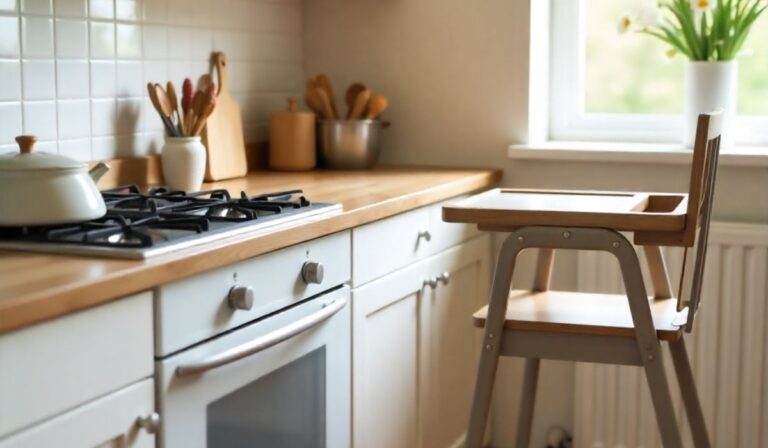
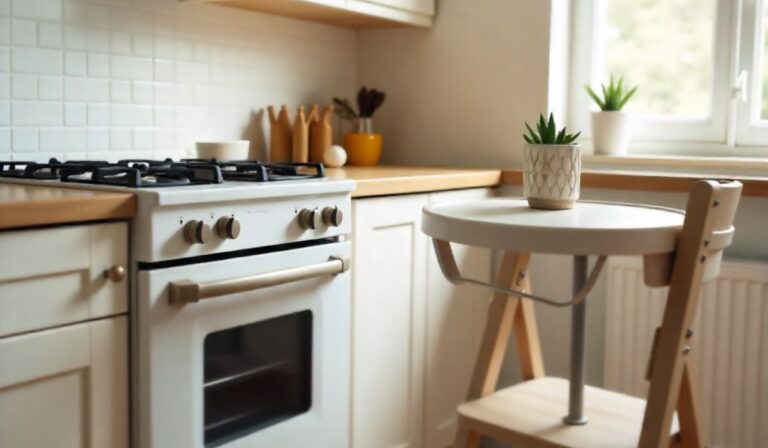
Kitchen Childproofing
The kitchen is often the heart of the home, but it’s also filled with hazards for curious children. Here’s a guide to ensure your kitchen is a safe place for your little one.
- Stove Guards: Install stove guards or stove knob covers to prevent your child from accessing hot surfaces and turning on the burners. Stove guards are barriers that attach to the stove, while knob covers prevent children from being able to manipulate the knobs.
If you have an electric stove, make sure that you remove the knobs when the stove is not in use. This simple measure can prevent your child from accidentally turning on a burner and creating a dangerous situation.
- Secure Cabinet and Drawer Latches: Install cabinet and drawer latches on all cabinets and drawers containing sharp objects, cleaning supplies, and other potentially hazardous items. Opt for latches that can be difficult for children to open.
A latch on the kitchen cabinets are a simple yet effective way of keeping dangerous materials away from small hands. This will avoid any accidents, and give you peace of mind.
- Countertop Protection: Consider using edge guards and corner protectors on countertops and tables to prevent injuries from sharp corners. These are usually made from soft, impact-absorbing materials and can be easily installed with adhesive tape.
These guards will provide a safe barrier between your child and the sharp edges of the furniture. This is very important, because a fall on the corner of a table or countertop can cause serious injuries.
Living Room and Bedroom Childproofing
The living room and bedroom are where your child will likely spend a lot of time, so ensuring they are safe is a priority. These are some steps to improve safety in these areas.
- Window Guards and Safety Film: Install window guards or window safety film to prevent your child from falling out of windows. Window guards prevent children from opening windows wide enough to fall through, while safety film makes the glass more resistant to breakage.
Window guards are crucial on upper floors. If you are not in a position to install window guards, window safety film can make windows safer, too. When you use the film, if the glass breaks, the film will hold the pieces together, reducing the risk of injuries.
- Cover Electrical Outlets: Use outlet covers for all electrical outlets within reach of your child. Outlet plugs are a simple solution, while outlet covers provide extra protection.
These are a must for all bedrooms and living rooms. Make sure to purchase a sufficient number of covers for all outlets. Regularly check the covers to ensure they are installed and secure.
- Manage Cords: Keep electrical cords out of your child’s reach by using cord organizers or cord covers. Place cords behind furniture or secure them to the wall with cord clips.
Cords can be attractive to children, which makes them a safety hazard, especially in rooms where they spend a lot of time. By keeping your cords safe, you can keep your child safe.
Advanced Safety Techniques
Once you’ve implemented the basic childproofing steps, you can explore some advanced safety techniques to further enhance the safety of your small apartment. These extra measures will add another layer of protection, giving you even more assurance.
Balcony and Window Safety
Balconies and windows are high-risk areas. Prevent accidents with the following precautions.
- Balcony Safety Nets: Install safety nets on your balcony railings to prevent falls. These nets can be easily attached to the railing without drilling or making permanent changes.
Select a net made of durable materials and ensures it is securely mounted to the railing. Make sure to regularly inspect the net for any signs of wear and tear.
- Window Opening Restrictors: Use window opening restrictors to limit how far windows can open. This allows for ventilation while preventing your child from climbing out or falling through the window.
Opening restrictors are easy to install and require no drilling or modification to the windows. They're a practical solution for limiting the window opening, thus enhancing safety.
- Clear Furniture Away from Windows and Balconies: Keep furniture like chairs and tables away from windows and balconies to prevent your child from climbing and accessing these areas.
Consider the risk associated with climbing. Ensuring there is no support near these areas can add extra peace of mind, thus allowing you to maintain an unobstructed view.
Additional Safety Measures
Beyond the basics, there are further options for enhanced security. These extra steps can significantly boost the safety of your small apartment.
- Fire Safety Planning: Have a fire escape plan and practice it with your family. Ensure you have working smoke detectors and carbon monoxide detectors.
This plan should include a designated meeting place outside of your apartment. Practice this escape plan at least twice per year, as this will help your child become familiar with it.
- Emergency Contact Information: Keep emergency contact information, including your pediatrician’s number and poison control, in an easily accessible location.
Post this information in a prominent place, such as on the refrigerator or near the telephone. Being prepared in an emergency can save precious time and potentially lives.
- Regular Safety Inspections: Do routine inspections of your apartment, checking for potential hazards and making necessary adjustments as your child grows and develops.
These regular inspections can help you identify and address any emerging risks. Take your time to carefully examine your apartment, as well as the safety devices that you have in place.
The Value of a Child-Safe Home
The goal is to create a secure, comfortable, and safe environment for your child without needing to make any permanent changes to your apartment.
Childproofing is not just about avoiding accidents. It’s about providing a safe and supportive environment for your child to learn and explore, which in turn gives you peace of mind.
By thoughtfully implementing these techniques, you’ll be able to create a secure environment, thus contributing to your child’s health and happiness.
Here are some examples of what it looks like in a home:
- Example: A parent installs pressure-mounted baby gates at the top and bottom of the stairs to prevent a child from accessing a potentially dangerous area.
- Example: A family uses adhesive straps to secure a bookshelf to the wall, preventing it from tipping over if a child tries to climb it.
- Example: A family covers all electrical outlets with childproof covers, minimizing the risk of a child inserting objects into the sockets.
According to the Centers for Disease Control and Prevention (CDC), unintentional injuries are a leading cause of death for children. In 2021, over 12,000 children in the United States died from unintentional injuries.
| Injury Type | Annual Fatalities (approx.) |
|---|---|
| Falls | ~1,000 |
| Poisoning | ~200 |
| Burns | ~100 |
These numbers highlight how important it is for parents to take all necessary measures to childproof their homes.
FAQ Of How To Childproof A Small Apartment Without Drilling Or Permanent Changes
Question: What’s the best way to prevent a child from opening cabinets and drawers?
Answer: Install magnetic or adhesive cabinet and drawer latches. These are typically difficult for children to open.
Question: How can I secure furniture to prevent it from tipping over without drilling?
Answer: Use furniture straps with adhesive to attach the furniture to the wall. This is a very safe method that will prevent tip-overs.
Question: Are outlet plugs or outlet covers better for electrical safety?
Answer: Outlet covers generally offer better protection because they cover the entire outlet plate, which provides the best safety.
Question: How can I childproof windows and balconies without causing any damage?
Answer: Use window opening restrictors or safety film to improve window safety. Install safety nets on balconies.
Question: What do I do with the cords?
Answer: Use cord organizers and cord covers to keep cords out of reach and safely managed.
Final Thoughts
Keeping your little one safe in your small apartment without resorting to drills and permanent changes is absolutely achievable.
Using pressure-mounted baby gates, adhesive furniture anchors, outlet covers, and clever cord management, you can create a safe environment.
You’ve now seen that it’s possible to childproof your apartment effectively while preserving your security deposit.
It’s all about being creative, using the right tools, and staying one step ahead of your curious toddler.
So, explore these options, adapt them to your space, and take your first step to transform your place. With these tools in hand, you’re well on your way to a secure, happy home for your family.