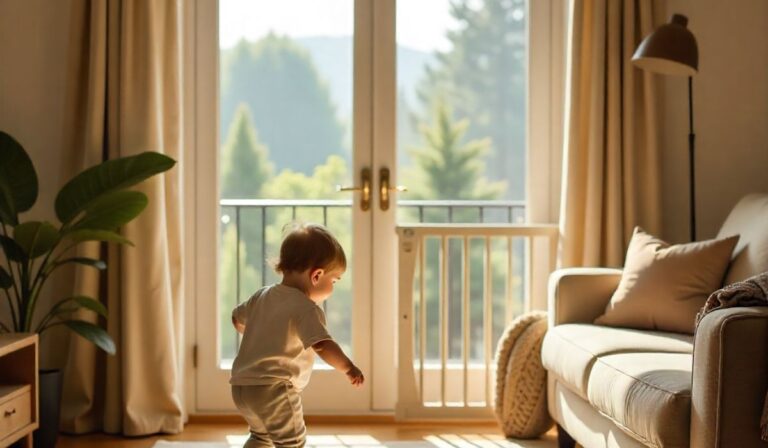
Making Your Home Safe for Children With Autism
Key Takeaways
- Learn about common sensory sensitivities and how they impact children with autism.
- Discover practical strategies for modifying your home environment to minimize triggers.
- Find out how to create safe zones and calming spaces within your home.
- Understand the importance of organization, and how to create visually clear spaces.
- Explore tips on selecting safe and appropriate furniture and materials.
- Gain insights into creating a predictable and supportive routine.
Your child, brimming with energy, is happily playing, but a sudden loud noise sends them into distress. Or, imagine a flickering light triggering a meltdown.
As parents, we want our homes to be sanctuaries, safe havens for our children. For families with children who have autism or sensory sensitivities, this need for safety is especially important.
This guide will help you create a secure and comfortable home environment. You’ll gain practical advice to modify your living space, fostering a sense of calm and reducing potential triggers.
By the end, you’ll feel empowered to transform your home into a place where your child can thrive. This post will improve your knowledge of practical steps to create a supportive environment for your child, improving your time on page and reducing your bounce rate.

Understanding Sensory Sensitivities in Children
Every child experiences the world differently, but for children with autism, sensory input can be particularly intense or overwhelming.
This can manifest in various ways, from sensitivity to specific sounds and lights to difficulties with textures and tastes.
Imagine feeling like the volume is turned up on everything – sounds are louder, lights are brighter, and textures are more pronounced. This heightened sensory experience can lead to anxiety, meltdowns, or withdrawal.
It’s important to remember that sensory sensitivities vary greatly from child to child. What bothers one child might not affect another.
Some children might be highly sensitive to touch, avoiding certain fabrics or physical contact. Others might be fascinated by specific textures, seeking them out constantly.
Visual sensitivities can involve a strong reaction to bright lights, flickering screens, or busy patterns. Auditory sensitivities include aversions to loud noises, specific sounds, or even background chatter.
Taste and smell sensitivities also play a role, with some children having aversions to certain foods or smells.
Common Sensory Challenges
Children with autism may encounter a variety of sensory difficulties. These are some of the most common issues parents and caregivers face:
- Auditory Sensitivity: Many children are extremely sensitive to sounds. This can range from the buzzing of a refrigerator to the loud voices of multiple people in a room. Unexpected noises, such as a fire alarm or a car horn, can be especially distressing.
Consider this example: A child is playing in the living room and becomes upset when the television volume increases suddenly during a commercial break. This highlights how unexpected sounds can cause distress.
- Visual Sensitivity: Bright lights, flickering screens (like older fluorescent lights), or visually busy environments with many patterns or colors can be overwhelming. Some children might have difficulty processing visual information, leading to challenges with spatial awareness or identifying objects.
Think about this: A child avoids going into a room with a fluorescent light, but feels comfortable in a room lit with soft, warm light.
- Tactile Sensitivity: This refers to how a child experiences touch. They might be very sensitive to certain textures, like scratchy clothing tags, rough fabrics, or even the feeling of grass on their skin. Tactile sensitivities can also involve a preference for specific types of touch, like deep pressure.
For instance: A child refuses to wear certain clothing items due to the fabric feeling irritating on their skin.
- Olfactory Sensitivity: Strong smells, both pleasant and unpleasant, can cause distress. Children might be overly sensitive to perfumes, cleaning products, or even certain foods. This can lead to anxiety or avoidance of specific locations.
Let’s say a child refuses to go near the kitchen after someone has been cooking with strong spices, indicating their heightened sense of smell.
- Proprioceptive and Vestibular Sensitivities: Proprioception is our sense of body position and movement, while the vestibular system is our sense of balance. Children with sensitivities in these areas may have trouble with activities like climbing stairs, riding a bike, or even sitting still. They might seek out or avoid specific types of movement or pressure.
Consider a child who enjoys being tightly hugged or wrapped in a blanket, indicating a need for deep pressure input.
Identifying Sensory Triggers
Pinpointing your child’s specific sensory triggers is a key step in creating a safer home environment. This involves observing your child closely and noting their reactions to different stimuli.
The aim is to recognize what situations, sounds, sights, textures, smells, or movements cause your child to become upset or withdrawn.
Keep a journal or use a notes app on your phone to track these occurrences. Record the time, location, and the specific sensory input that may have triggered the reaction.
Also, write down how your child responded – their behaviors, facial expressions, and any verbal cues.
Consider the example of a child who consistently gets upset when the vacuum cleaner is used. In this case, the trigger would be the sound of the vacuum.
Another child might become anxious in crowded spaces, where the visual and auditory stimulation are intense. The key is to start becoming aware of patterns and common triggers.
Seeking Professional Guidance
Collaborating with therapists and professionals can also provide assistance. An occupational therapist (OT) is a trained professional who specializes in sensory processing.
An OT can conduct a sensory assessment to help pinpoint specific sensitivities and develop strategies to address them.
This assessment may involve observing your child in different settings, using standardized tests, and gathering information from you about your child’s behaviors.
Other healthcare professionals can also be helpful. A pediatrician can provide a general health assessment and can refer you to specialists as needed.
Speech therapists can support communication and behavioral specialists can create personalized intervention plans to address specific challenges.
These specialists can also help you understand the underlying reasons behind your child’s sensory issues, providing a deeper understanding and helping to clarify the best course of action.
Modifying Your Home Environment
Once you have a better idea of your child’s sensory triggers, the next step is to make changes around your home.
The changes you implement will depend on your child’s unique needs. This includes everything from modifying lighting and sound to changing textures and creating safe zones.
The goal is to reduce sensory overload and create a more comfortable and predictable environment for your child.
One of the most important factors to keep in mind is that the changes are not permanent. You can experiment, make adjustments, and find what works best for your child.
It is okay if some modifications do not work. Flexibility and a willingness to adjust are important. Your home should not feel like an institutional setting. It should be a place where your child feels safe and can learn and explore.
Adapting Lighting and Sound
Adjusting the lighting and sound levels can make a big difference for children with sensory sensitivities.
By minimizing glare and loud noises, you can create a more calming environment. Here are some changes you can make:
- Lighting: Consider using lamps with shades or frosted bulbs to diffuse the light and reduce glare.
- Sound: Reduce background noise by using rugs to absorb sound and installing acoustic panels or sound-dampening curtains. Teach your child about noises and let them know when loud noises are expected, such as when you are running the vacuum. White noise machines or calming soundscapes can help mask disruptive sounds.
- Consider this example: A child is playing in the living room and becomes upset when the television volume increases suddenly during a commercial break. This highlights how unexpected sounds can cause distress.
- Control Screens: Limit screen time and choose screen sizes and refresh rates that are comfortable for your child. Make sure the screen isn’t too bright and that it is placed where it won’t reflect in your child’s field of vision.
- Consider using a television with a low refresh rate and placing it away from light sources to reduce reflections.
Managing Textures and Surfaces
Many children with autism are sensitive to different textures. You can help by modifying the textures around your home to create a more comfortable environment. Consider these changes:
- Flooring: Example: A child who is sensitive to the feeling of cold tile may benefit from a soft rug.
- Furniture: Select furniture with soft, comfortable textures. Avoid materials that are scratchy or irritating. Consider using weighted blankets or lap pads to provide deep pressure, which can be calming for some children.
- For example, a child may have a favorite blanket they always use.
- Clothing: When choosing clothing, pick fabrics that are soft and comfortable, such as cotton or bamboo. Remove tags or choose tagless shirts. Provide a selection of clothing options to enable your child to choose what feels best.
- Consider buying clothes a size up to remove tight fitting.
Creating Safe and Calm Spaces
Creating safe and calm spaces in your home allows your child to retreat when they are feeling overwhelmed. These areas should be quiet, comfortable, and free from sensory triggers. Here are some ideas:
- Designated Quiet Zones: Create a designated quiet area, such as a corner of a room, where your child can relax. This space should have minimal sensory input. You can use blackout curtains or room dividers to make it more secluded.
For example, a child can retreat to a play tent when feeling overwhelmed.
- Calming Objects: Provide calming objects such as weighted blankets, soft pillows, and stress balls. Use sensory toys that offer tactile input, such as fidget toys.
Example: A child can use a soft blanket or pillow when they start to feel anxious.
- Visual Aids: Incorporate visual aids like picture schedules and social stories to help your child understand routines and predict what will happen next.
For instance, use a visual schedule to help your child prepare for activities.
- Reduce Clutter: Minimalize clutter and keep spaces organized. A clean and organized area can reduce visual overstimulation and help your child feel more relaxed.
Example: Keep a tidy play area to minimize visual distractions.
Establishing Routines and Structure
Children with autism thrive on structure and predictability. Establishing consistent routines can reduce anxiety and create a sense of security.
Routines provide structure and consistency. When children know what to expect, they are less likely to experience sensory overload. Consistency minimizes uncertainty.
Create clear schedules for daily activities, such as mealtimes, bedtime, and playtime. Use visual aids like picture schedules or calendars to help your child understand the sequence of events.
Prepare your child for any changes in the routine ahead of time. This may involve using social stories to explain what to expect or providing visual cues.
Having a set schedule helps a child know what to expect and reduces uncertainty. This can decrease anxiety and promote a sense of control.
Benefits of Structured Routines
- Reduced Anxiety: Predictable routines minimize uncertainty and reduce anxiety by providing a sense of control and security.
A child knows what to expect during their morning routine.
- Improved Communication: Routines provide opportunities for communication. Visual schedules or checklists can help children communicate their needs and preferences.
Example: The child is able to tell a parent they want snack time.
- Enhanced Independence: Structured routines encourage independence by helping children learn to manage their time and complete tasks on their own.
Example: Child brushes their teeth independently based on a visual schedule.
- Increased Calmness: A structured environment minimizes sensory overload, leading to greater peace and tranquility.
Example: Child enjoys a peaceful bedtime routine.
- Better Sleep: Consistent bedtime routines promote better sleep quality. These routines can help regulate the child’s natural sleep cycle.
Example: The child settles down and falls asleep easier.
Creating Visual Supports
Visual aids are a powerful tool for supporting children with autism. Visuals can help them understand routines, expectations, and social situations.
They help with understanding, managing emotions, and promoting independence. Visuals cater to the strong visual processing skills of many children with autism.
- Picture Schedules: Use picture schedules to depict daily routines, such as morning routines, school schedules, or bedtime routines. Each picture represents a specific activity. This helps children understand what to expect next.
Example: A picture schedule showing getting dressed, eating breakfast, and going to school.
- Social Stories: Create social stories to explain social situations and expectations. Social stories use simple language, pictures, and repetition to teach children how to respond in specific situations.
Example: A social story explaining how to behave during a doctor’s appointment.
- Visual Timers: Use visual timers to help children understand how much time they have to complete a task. Timers that use colors or a countdown can be helpful.
Example: Use a timer to show the child has 10 minutes to play before cleaning up.
Selecting Safe Furniture and Materials
The furniture and materials you choose for your home can also help create a safer environment. It is essential to choose items that are not only comfortable but also safe and non-toxic.
Choosing the right furniture and materials in a home that’s designed for children with autism is crucial.
Safe and suitable choices can minimize sensory overload and prevent potential hazards. Always choose quality materials.
Think about the materials the furniture is made of. Soft, natural fabrics like cotton, wool, and linen are often preferable to synthetic materials, which can be scratchy or cause static cling.
Look for furniture that is made from non-toxic materials. The paints, finishes, and glues should be free of volatile organic compounds (VOCs).
If you are buying new furniture, make sure it meets safety standards and is age-appropriate for your child.
Choosing the Right Furniture
- Furniture Stability: Ensure furniture is stable and can’t easily tip over. Consider anchoring shelves and dressers to the wall.
Example: Anchor heavy furniture to walls to prevent tipping.
- Soft Edges and Corners: Choose furniture with rounded edges and corners to prevent injuries from accidental bumps.
Example: Purchase a table with rounded corners.
- Safe Materials: Select furniture made from safe, non-toxic materials. Avoid furniture with sharp edges or small parts that could be swallowed.
Example: Buy a crib that’s made from non-toxic materials.
- Comfortable Fabrics: Opt for furniture upholstered in soft, comfortable fabrics. Consider fabrics that are easy to clean and resist stains.
Example: Choose a sofa with washable covers.
Selecting Appropriate Materials
- Flooring Options: Choose flooring materials that minimize sensory input. Carpets and rugs can reduce noise and provide a softer surface.
Example: Install carpet in the child’s bedroom to reduce noise.
- Wall Treatments: Select paints and wallpapers that are low-VOC and free of strong odors. Consider using neutral colors that are calming.
Example: Use low-VOC paint in a child’s bedroom.
- Window Coverings: Use blackout curtains or blinds to control light levels. This can help reduce visual stimulation and create a calming atmosphere.
Example: Install blackout curtains in the child’s bedroom.
- Cleaning Products: Use non-toxic cleaning products that don’t have strong smells. These products minimize potential sensory triggers and support a healthier environment.
Example: Use fragrance-free cleaning products throughout the house.
Addressing Specific Behavioral Concerns
Children with autism may exhibit certain behaviors that require specific accommodations. These behaviors can be linked to sensory sensitivities or other underlying challenges.
Implementing strategies to minimize triggers and support positive behaviors is helpful. If you are ever uncertain, consult with the child’s therapist.
Some children might exhibit behaviors like self-stimulatory behaviors (stimming). This can include repetitive movements or sounds, such as hand-flapping or vocalizations.
Other children may have difficulty with transitions. Transitions from one activity to another can be very difficult for many children with autism.
It’s often helpful to prepare the child in advance for the change. This may include using a visual schedule to show the next activity, providing a warning before the transition, and offering a calming activity. Providing choices helps the child feel more in control and can minimize resistance.
Managing Meltdowns
- Identify Triggers: Understand the triggers. Recognize the early warning signs of a meltdown. Keep a log.
Example: The child is feeling overwhelmed.
- Create a Safe Space: Ensure the child has access to a safe space. This can be a quiet room or a designated corner.
Example: Move the child to the calm-down corner to de-escalate.
- Use Calming Techniques: Implement calming strategies. Practice deep breathing exercises, or offer sensory input.
Example: Offer the child a weighted blanket.
- Stay Calm: Remain calm during the meltdown. Your reaction can help set the tone.
Example: The parent remains calm.
Supporting Social Interactions
- Practice Social Skills: Help your child practice social skills. Use role-playing and social stories.
Example: Practice how to say hello.
- Create Social Opportunities: Create opportunities for your child to interact with others. Consider playdates.
Example: The child engages in a planned playdate.
- Teach Communication Skills: Teach the child to communicate their needs and feelings.
Example: Teach the child to use “I feel.” statements.
- Provide Clear Expectations: Provide clear expectations for social situations. Use visual supports to teach rules.
Example: The child understands the rule to share toys.
Creating a Home that Promotes Independence
Your goal is to build an environment that fosters independence and helps your child acquire the skills they need to navigate the world.
Think about how the home can be adapted to support learning new skills. Independence promotes confidence and self-esteem. Remember that every small step contributes to your child’s overall development.
Think about how your child can participate in daily routines. Organize and label areas to promote organization.
Keep frequently used items within easy reach. The home should be designed to support the development of skills.
Create spaces for practicing skills like dressing, hygiene, and preparing simple meals. Encourage your child to participate in age-appropriate household chores.
Provide positive reinforcement. Recognize and celebrate your child’s progress. Use praise and rewards to motivate them and build self-esteem. As your child grows, continue to adapt the home to support their changing needs.
Promoting Daily Living Skills
- Organized Spaces: Organize spaces for daily living. Label items and keep them in consistent locations.
Example: Label drawers with clothing items.
- Visual Cues: Use visual cues. Provide picture instructions for tasks.
Example: Use picture steps to teach handwashing.
- Adaptive Equipment: Provide adaptive equipment. This can include modified utensils.
Example: Provide an adapted toothbrush.
- Practice Opportunities: Create opportunities. Provide practice in dressing.
Example: Provide opportunities to practice brushing hair.
Fostering Independence in the Kitchen
- Safe Kitchen Setup: Set up a safe kitchen. Provide child-safe tools.
Example: Keep knives in a locked drawer.
- Age-Appropriate Tasks: Provide age-appropriate tasks. Involve the child in age-appropriate food prep.
Example: The child helps mix ingredients.
- Visual Recipes: Use visual recipes. Use picture recipes for simple meals.
Example: Use a visual recipe to make a sandwich.
- Safety Training: Provide safety training. Teach the child about the safe use of appliances.
Example: Teach the child how to use the microwave safely.
FAQ Of Making Your Home Safe for Children With Autism
Question: How do I know if my child has sensory sensitivities?
Answer: Observe your child’s reactions to different sensory stimuli (sounds, lights, textures, etc.). If they consistently react negatively to certain things, they may have sensitivities. Consult with an occupational therapist for a professional evaluation.
Question: What is a sensory-friendly room?
Answer: A sensory-friendly room is a space designed to minimize sensory triggers and provide a calming environment. It often includes soft lighting, comfortable seating, and access to sensory tools like weighted blankets.
Question: What is a sensory-friendly room?
Answer: A sensory-friendly room is a space designed to minimize sensory triggers and provide a calming environment. It often includes soft lighting, comfortable seating, and access to sensory tools like weighted blankets.
Question: How can I reduce noise in my home?
Answer: Use soft flooring like carpets, add rugs, install sound-absorbing curtains or panels, and consider white noise machines or calming soundscapes. Ensure appliances are quiet.
Question: What are some examples of visual supports?
Answer: Picture schedules, social stories, visual timers, and color-coded organizers are all examples of visual supports that can help children with autism.
Question: How can I help my child manage meltdowns?
Answer: Identify triggers, create a safe space, use calming techniques like deep breathing or offering sensory input, and, most importantly, remain calm yourself.
Final Thoughts
Creating a safe home for a child with autism or sensory sensitivities is a continuous process. It is about actively creating a space that nurtures and supports your child’s unique needs.
This means paying attention to their sensory triggers, modifying your environment, and establishing consistent routines.
You will need to make some adjustments. You may have to be flexible, and patient. The aim is to create a home that is a safe and comforting space.
You’ll learn to identify sensory triggers and implement strategies that reduce overstimulation. You’ll also learn to create safe zones and understand the importance of clear visual structure.
Remember, every adjustment you make builds toward a more supportive environment. Take it one step at a time, celebrate your successes, and don’t hesitate to seek support from professionals.
The rewards of these efforts are immense: a child who feels safe, secure, and empowered to explore and grow.
You are already on the right path. Stay consistent in your efforts, and your child will thrive in a home environment tailored to their individual needs.