How To Make Your Home Safe For Visiting Grandparents With Limited Mobility
Key Takeaways
- Learn how to identify and address potential hazards within your home.
- Understand the importance of modifications for easier movement.
- Discover essential safety features for the bathroom and kitchen.
- Gain insight into creating accessible pathways and entryways.
- Find ways to improve lighting and reduce trip hazards.
- Find ways to make your home better for visiting grandparents with mobility issues.
Your beloved grandparents are coming to visit. The excitement is palpable, but a thought flickers: Is your home truly prepared for their needs, especially if they have some mobility challenges?
You want their visit to be comfortable and enjoyable, not filled with potential hazards. Ensuring a safe environment for loved ones with limited mobility requires some preparation, but the peace of mind it brings is invaluable.
This guide explores the essential steps to make your home welcoming and safe, focusing on home safety improvements to keep your grandparents secure.
By implementing these suggestions, you’ll be creating a supportive atmosphere for everyone involved. The information here will boost the overall experience, and contribute to a lower injury rate.
Assessing and Preparing Your Home
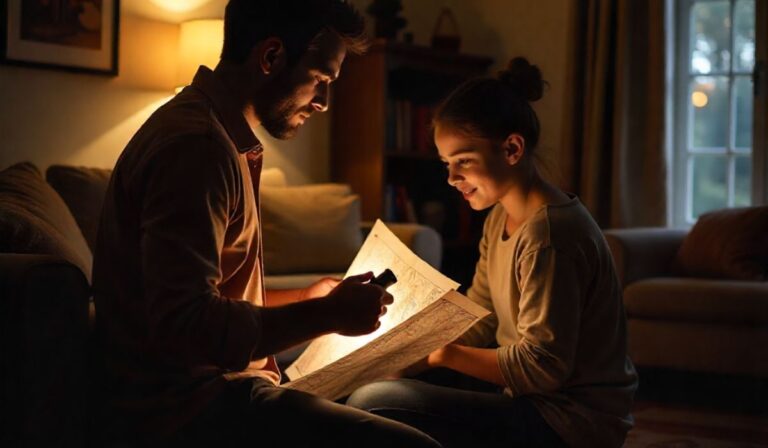
Before your grandparents arrive, a thorough assessment of your home is vital. This process isn’t about creating a sterile environment, but about identifying and mitigating potential risks.
Observe your home through their eyes, considering how they’ll move from room to room. Look for areas that could present challenges, such as stairs, uneven surfaces, or poor lighting.
Think about the equipment your grandparents might need, like a walker or a wheelchair. This proactive approach will help you prioritize the necessary changes.
Remember, the goal is to create a welcoming and comfortable setting where they feel safe and secure.
Identifying Potential Hazards
The first step involves a comprehensive inspection. Begin with the exterior, paying close attention to walkways, driveways, and entryways.
Are there cracks in the pavement or loose gravel? Inside, inspect every room, including hallways, bathrooms, and the kitchen.
Look for loose rugs, cords that cross walking paths, and furniture that might obstruct movement. Evaluate the lighting in each area; are there shadows or dimly lit spaces?
Take notes on anything that could cause a fall or make it difficult to get around. This process is about observing the home through the lens of mobility limitations.
- Trip Hazards: Remove loose rugs or secure them with non-slip backing. Tuck away or secure electrical cords along walls.
- Obstacles: Rearrange furniture to create clear pathways. Remove clutter from walkways.
- Slippery Surfaces: Ensure flooring is non-slip, especially in bathrooms and kitchens. Use non-slip mats in these areas.
- Poor Lighting: Upgrade light fixtures to brighter bulbs, and add lamps for additional illumination.
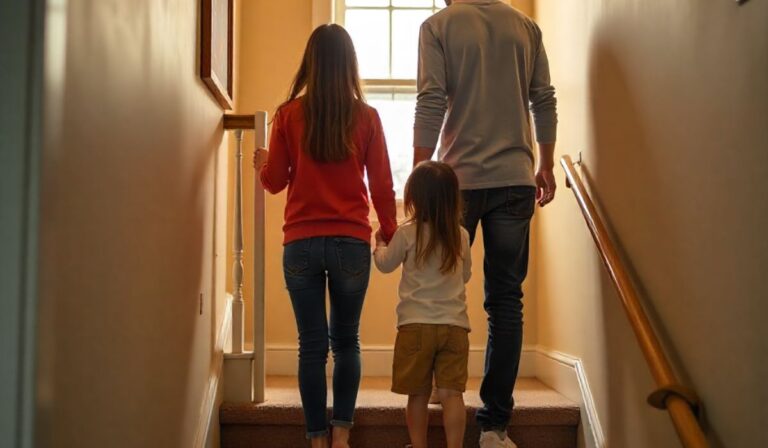
- Stairways: Assess the need for handrails and consider other modifications, like stairlifts, if necessary.
Consider the placement of everyday items. Are frequently used objects within easy reach, or do they require bending or stretching?
The more aware you are of potential problems, the better prepared you’ll be to create a safe setting. This detailed review will help you develop a comprehensive plan to make your home safe.
Creating Accessible Pathways and Entryways
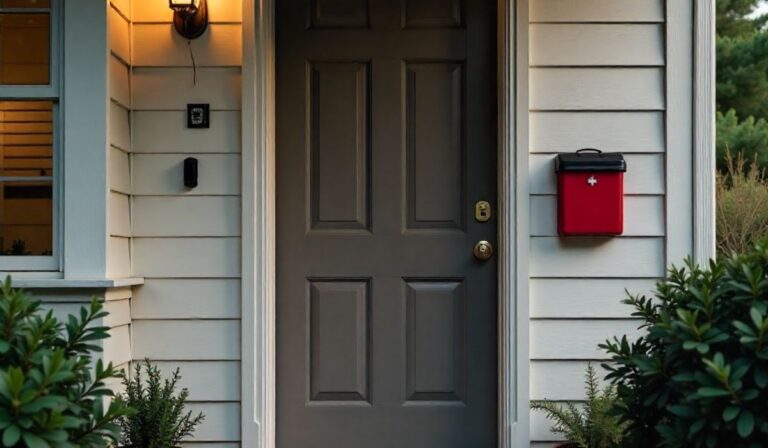
Making pathways and entryways accessible is essential. Start with the entrance. Ramps or gradual inclines are superior to stairs.
If steps are unavoidable, ensure handrails are securely installed on both sides. Inside, doorways should be wide enough to accommodate wheelchairs or walkers.
Remove any obstacles in hallways, such as furniture or decorative items. Consider adding grab bars near frequently used doorways for extra support.
The goal is to make it easy for your grandparents to get around safely. These easy-to-follow changes can make a big difference, enabling your grandparents to move about with ease.
- Entryway Modifications: Install a ramp or modify existing steps with a low-rise approach. Ensure adequate lighting.
- Doorway Widening: Enlarge doorways to a minimum width of 32 inches, if needed.
- Hallway Clearance: Remove any obstructions. Keep walkways free from clutter.
- Flooring Considerations: Ensure flooring is consistent and smooth to avoid tripping hazards.
- Ramps or Lifts: Consider installing these if stairs are unavoidable.
Make sure pathways and entryways lead to all essential spaces, including the living area, kitchen, and bathroom. This ensures your grandparents have full access.
Creating these pathways contributes to their overall comfort. Remember that even small modifications can make a big difference in ensuring their comfort.
Bathroom Safety and Kitchen Modifications
Bathrooms and kitchens often present the most significant challenges for individuals with limited mobility.
The presence of water, slippery surfaces, and sharp objects increases the risk of accidents. Modifying these spaces to improve accessibility and safety is vital.
This may include installing grab bars, raising toilet seats, and ensuring easy access to sinks and countertops.
The kitchen should be easy for cooking and food preparation. By taking these measures, you’ll be able to create secure and usable environments for your grandparents.
Bathroom Safety Features
The bathroom is a high-risk area. Several adjustments can greatly enhance its safety. Install grab bars near the toilet and inside the shower or tub.
Consider a raised toilet seat to make it easier to sit and stand. Ensure the shower or tub has a non-slip surface, and install a shower chair or bench.
These features will greatly decrease the risk of falls and make it easier to maintain personal hygiene.
Provide sufficient lighting, and remove any rugs or mats that aren’t securely attached. These small changes can have a large impact on safety.
- Grab Bars: Install grab bars near the toilet and in the shower/tub.
- Raised Toilet Seat: Install a raised toilet seat for easier access.
- Non-Slip Surfaces: Ensure non-slip mats or coatings are in the shower/tub.
- Shower Chair/Bench: Consider a shower chair or bench for added stability.
- Adequate Lighting: Ensure sufficient lighting to avoid shadows.
The best scenario includes all the above safety precautions. Ensuring the bathroom is safe promotes independence.
You can implement several strategies to create a safe home environment for your grandparents. Every adjustment you make will contribute to a safe and secure bathroom for your grandparents. This will also boost their confidence.
Kitchen Modifications for Accessibility
The kitchen is another space where safety modifications are crucial. Lower countertops or provide a section with adjustable height.
Ensure that frequently used items, like utensils and dishes, are within easy reach. The stove and oven controls should be accessible and easy to operate.
Consider installing pull-out shelves in cabinets to avoid bending and reaching. Create clear pathways to the sink, refrigerator, and cooking areas.
By making it easy to access and prepare meals, you contribute to your grandparents’ independence and well-being. Accessibility and comfort are key to providing a safe and friendly environment.
- Lowered Countertops: Provide a section of lower countertops for easier access.
- Accessible Storage: Install pull-out shelves in lower cabinets.
- Easy-to-Reach Items: Place frequently used items within easy reach.
- Stove and Oven Controls: Ensure controls are easy to operate and accessible.
- Clear Pathways: Maintain clear pathways to the sink, refrigerator, and cooking areas.
These kitchen modifications make food preparation easier and safer. When working in the kitchen, many older adults face challenges with limited mobility.
These practical adjustments provide independence. Remember, a safe and accessible kitchen provides both safety and enjoyment during the visit.
Improving Lighting and Reducing Trip Hazards
Proper lighting and the removal of potential trip hazards are fundamental to creating a safe home environment.
Poor lighting and scattered objects are leading causes of falls, especially for older adults. By implementing simple changes, you can greatly reduce the risks and enhance the overall safety of your home.
It’s about providing good visibility and ensuring the pathways are clear and free from obstacles. These seemingly minor changes can have a profound impact on your grandparents’ sense of security and well-being.
Enhancing Lighting for Safety
Adequate lighting is essential. Start by increasing the wattage of existing light bulbs or replacing them with brighter, energy-efficient alternatives.
Install additional lighting in areas that tend to be dimly lit, such as hallways, stairways, and entryways.
Consider installing nightlights in bedrooms, bathrooms, and hallways to provide a gentle, continuous light source throughout the night.
Ensure that light switches are easily accessible and placed near doorways. It’s ideal to have both overhead lighting and task lighting to illuminate specific areas, such as reading nooks or workspaces. The right lighting design contributes to comfort.
- Brighter Bulbs: Use higher-wattage or energy-efficient bulbs.
- Additional Lighting: Add lamps or overhead lights in dimly lit areas.
- Nightlights: Install nightlights in bedrooms, bathrooms, and hallways.
- Accessible Switches: Place light switches near doorways and ensure they are easy to operate.
- Task Lighting: Provide task lighting for reading and other activities.
Lighting provides better visibility. This simple change reduces risks for your grandparents and ensures they can move safely around the house.
It’s an easy and cost-effective way to improve safety. Implementing these strategies will contribute to a more secure home. Well-lit areas can boost their confidence.
Reducing Trip Hazards Around the Home
Removing potential trip hazards is critical. Start by eliminating any loose rugs or securing them with non-slip backing.
Make sure that electrical cords are tucked away, preferably along walls, or secured with cord organizers.
Remove any clutter from walkways, such as magazines, shoes, or decorative items. Be sure to address uneven flooring or thresholds that could pose a risk.
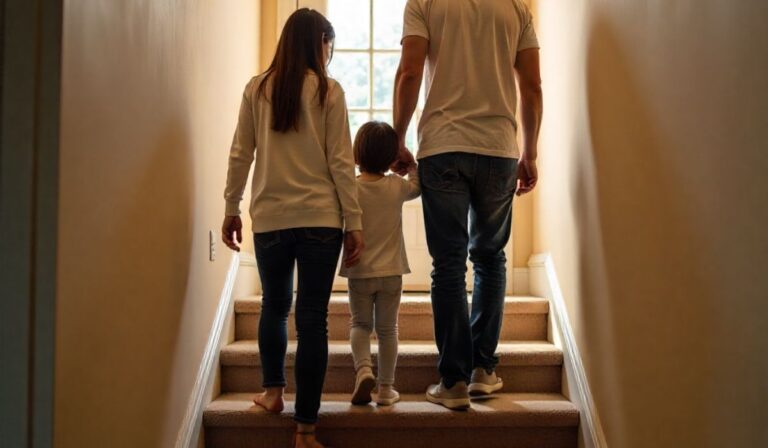
If you have stairs, make sure they are well-lit and that handrails are in good condition. These precautions ensure a clear, safe pathway.
This will have a significant impact on preventing falls. The goal is to create a home environment free of potential trip hazards.
- Remove Loose Rugs: Get rid of them or use non-slip backing.
- Manage Cords: Tidy up electrical cords.
- Clear Pathways: Eliminate clutter.
- Address Uneven Surfaces: Make sure flooring is even.
- Secure Stairways: Ensure stairs are well-lit and have sturdy handrails.
By removing trip hazards, you’re creating a safer environment, allowing your grandparents to move around with confidence.
Eliminating trip hazards minimizes the risk of falls. This makes the home safer and more inviting. Remember that every adjustment will result in a more secure environment.
Additional Considerations and Safety Enhancements
Beyond the primary areas of concern, several other factors contribute to a safe home environment for grandparents with limited mobility.
These considerations encompass everything from the type of furniture to the availability of emergency communication systems.
Thinking about these additional details can significantly improve the quality of their visit. By making these improvements, you show your love and care.
Furniture Selection and Placement
The furniture in your home plays an important role. Choose furniture that is stable and easy to get in and out of, such as chairs with firm cushions and armrests.
Ensure chairs are at a comfortable height, allowing your grandparents to sit and stand with ease. Avoid furniture with sharp corners or edges, and rearrange it to create open pathways.
Consider the placement of frequently used items, like the television remote, so they are within easy reach.
Selecting the appropriate furniture and arranging it strategically enhances both safety and convenience. This also creates an inviting space for your visitors.
- Stable Chairs: Choose chairs with armrests and firm cushions.
- Appropriate Height: Choose the right height of chairs.
- Safe Design: Avoid furniture with sharp edges.
- Clear Pathways: Arrange furniture to provide open walkways.
- Accessible Items: Place frequently used items within reach.
Furniture that provides support and promotes independence will significantly impact your grandparents’ comfort.
The correct furniture choices can help them move about with ease and comfort. These small adjustments provide a safer and more welcoming setting for your grandparents.
Emergency Preparedness and Communication
It’s important to think about emergency preparedness. Make sure there is a readily accessible emergency contact list, including family members, neighbors, and emergency services.
Install smoke detectors and carbon monoxide detectors, and check the batteries regularly. Consider installing a medical alert system that your grandparents can easily access in case of an emergency.
This system is a reliable lifeline. A phone placed within reach is also helpful. Being prepared for any unexpected situation provides peace of mind. By taking these steps, you’ll be well-prepared.
- Emergency Contacts: Have an easily accessible emergency contact list.
- Smoke and CO Detectors: Install smoke and carbon monoxide detectors.
- Medical Alert System: Consider a medical alert system.
- Accessible Phone: Make sure a phone is within easy reach.
- First Aid Kit: Have a readily accessible and well-stocked first aid kit.
By preparing for emergencies, you’ll ensure that your grandparents are safe and secure. These small preparations provide comfort for everyone. This will give you peace of mind during their stay.
FAQ Of How To Make Your Home Safe For Visiting Grandparents With Limited Mobility
What’s the best flooring for grandparents with mobility issues?
The best flooring is non-slip flooring. It is preferable to install flooring that is slip-resistant throughout the house. Consider materials like vinyl, linoleum, or low-pile carpets.
How can I make stairs safer for my grandparents?
Install sturdy handrails on both sides of the staircase. Make sure the stairs are well-lit and free of clutter. Consider a stairlift if they have significant mobility issues.
What kind of grab bars should I install in the bathroom?
Choose grab bars that are sturdy and easy to grip, ideally made of stainless steel. Install them near the toilet, shower, and tub.
How can I ensure my grandparents can easily reach kitchen items?
Install pull-out shelves in lower cabinets and keep frequently used items within easy reach. Lower countertops also help.
What’s the best way to improve lighting throughout the house?
Use brighter light bulbs, and add additional lamps in poorly lit areas. Also, install nightlights in hallways and bedrooms.
Final Thoughts
Preparing your home to welcome your grandparents with limited mobility is a gesture of love and care. It’s about taking the time to observe your home through their eyes, identifying potential hazards, and making thoughtful modifications.
By addressing issues such as trip hazards, poor lighting, and accessibility, you can create a safe, comfortable, and inviting environment for your loved ones.
You’ve now taken steps to prevent falls and other accidents. Remember that even small adjustments can make a big difference, enabling your grandparents to move around with greater ease and confidence. Every effort you make will improve their overall experience and show them how much you care.