Is Home Automation Cheaper Than Traditional Systems
Key Takeaways
- Home automation can be cheaper than traditional systems upfront, especially with DIY options.
- Long-term savings from energy efficiency are a major benefit of smart home technology.
- The cost of smart home systems depends on the number of devices and their complexity.
- Traditional systems often have higher installation and ongoing maintenance costs.
- DIY installation for smart devices significantly reduces the initial investment.
- Smart home technology offers greater flexibility and customization compared to older systems.
Many people wonder, Is home automation cheaper than traditional systems? It can feel a bit confusing when you’re just starting out, with all the different gadgets and wires. But don’t worry!
We’ll break it down step-by-step so it’s easy to follow. We’ll look at what costs are involved and how they compare to what you might already have. Get ready to see how smart your home can get without breaking the bank.
Home Automation vs. Traditional Systems: A Cost Comparison
What Exactly Are Traditional Systems?
When we talk about traditional home systems, we mean the stuff that’s been around for a while. Think about your regular light switches, thermostats that you manually turn up or down, and security alarms that need a technician to install and service.
These systems do their job, but they don’t offer much in the way of smart features or remote control.
You have to be physically present to interact with them. For example, to adjust your heating, you have to walk over to the thermostat. If you want to turn off lights when you leave a room, you need to flip the switch.
They are generally robust and reliable, but lack the convenience and potential for savings that newer technologies offer.
The Rise of Smart Homes
Home automation, or smart home technology, changes all of that. It involves connecting various devices in your home – like lights, thermostats, locks, speakers, and security cameras – to a central network.
This network can often be controlled by your smartphone, a voice assistant, or even scheduled to operate automatically.
The idea is to make your home more convenient, secure, and energy-efficient. Instead of manually flipping switches, you can tell your voice assistant to turn off the lights, or set a schedule for your heating to lower when you’re asleep.
This interconnectedness is the core of what makes home automation different and, for many, more appealing.
Breaking Down the Costs: Initial Investment
Upfront Costs of Traditional Systems
Setting up traditional home systems usually involves one-time purchases and professional installation.
For instance, a basic wired security system might cost several hundred dollars for the equipment, plus a few hundred more for installation.
Similarly, a standard programmable thermostat can cost around $100-$200, and again, installation might add to that if you're not comfortable doing it yourself.
While these costs might seem straightforward, they can add up, especially if you’re building a new home or doing extensive renovations. The simplicity comes with a price, and that price is often paid for upfront labor and materials.
Upfront Costs of Home Automation
When you start looking at home automation, the initial costs can seem a bit more varied. You can buy individual smart bulbs for as little as $10-$20 each, or a smart thermostat for around $150-$250. Smart locks might range from $100 to $300.
The real cost factor here is how many devices you want to automate. If you want to make your entire house smart, the bill can grow quickly. However, a big advantage is the option for DIY installation.
Many smart devices are designed to be set up easily by homeowners, which can save you a significant amount on installation fees.
This makes it possible to start small and build your smart home gradually, spreading out the costs over time.
DIY vs. Professional Installation: The Cost Difference
The choice between doing it yourself and hiring a professional can drastically change the initial cost of home automation.
For traditional systems, professional installation is often necessary for safety and proper function. This adds a substantial amount to the total price.
With smart home technology, many components are plug-and-play. For example, replacing a traditional light switch with a smart switch often just involves a few screws and wire connections, something many people can manage with a quick online tutorial. This DIY approach directly cuts down on the biggest expense for many home upgrades: labor.
The Role of Hubs and Ecosystems
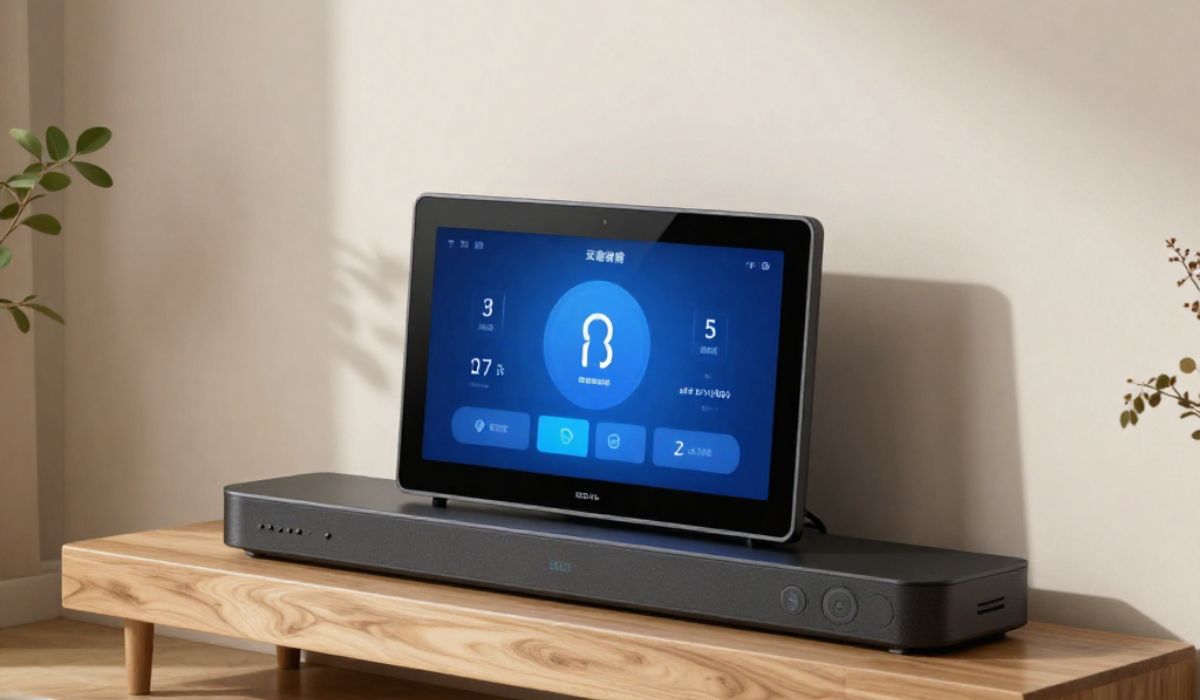
Some home automation systems require a central hub to communicate. This hub acts as the brain, allowing all your smart devices to talk to each other and to your phone. Hubs can range in price from $50 to $150.
However, many newer systems are moving towards Wi-Fi-only devices or using existing smart speakers like Amazon Echo or Google Home as hubs, which can reduce or eliminate this extra cost if you already own them.
Traditional systems generally don’t have a centralized hub in the same way, but they might have a main control panel for security or HVAC systems.
Long-Term Savings and Benefits
Energy Efficiency with Smart Thermostats and Lighting
This is where home automation really starts to shine when compared to traditional systems. Smart thermostats can learn your habits and adjust the temperature automatically to save energy when you’re not home or asleep. They can also be controlled remotely, so you can turn down the heat from work if you forgot.
Studies show that smart thermostats can save you between 10% and 20% on your heating and cooling bills annually.
Similarly, smart lighting allows you to schedule lights to turn off when not needed, dim them to save energy, and even control them remotely. While traditional programmable thermostats offer some savings, they lack the learning capabilities and remote access that smart versions provide, leading to potentially greater long-term savings with automation.
Reduced Maintenance and Repair Costs
Traditional systems, especially older ones, can sometimes require specialized technicians for repairs. This can mean expensive call-out fees and
Convenience and Lifestyle Enhancements
While not a direct monetary saving, the convenience offered by home automation is a significant benefit.
Imagine never having to get out of bed to turn off a light, or being able to check if you locked your doors from anywhere in the world.
These features, while not directly reducing bills, contribute to a higher quality of life and peace of mind.
Traditional systems offer very little in this regard. You can’t remotely unlock your door for a guest or check if your lights are on from miles away with standard switches and locks.
This added layer of control and comfort is a major draw for many people adopting smart home technology.
Comparing Specific System Costs
Lighting Systems: Switches vs. Smart Bulbs
Let’s look at lighting. A standard light switch costs a few dollars, and a regular incandescent bulb might be a dollar or two. For a whole house, this is very cheap upfront.
However, replacing these with smart switches can cost $20-$50 per switch, and smart bulbs can range from $10-$30 each.
On the surface, traditional wins for initial cost. But consider this: a smart bulb uses much less energy than an old incandescent bulb, saving you money on electricity bills over time.
Plus, you gain the ability to control them with your voice or schedule them, which traditional switches can’t do.
Thermostats: Manual/Programmable vs. Smart
A basic manual thermostat is very inexpensive, perhaps $20-$30. A programmable one might be $50-$100. These allow you to set schedules, which can offer some energy savings.
A smart thermostat, as mentioned, typically costs $150-$250. While the upfront cost is higher, the learning capabilities and remote access of smart thermostats lead to greater energy savings, often paying back the difference in cost within a few years.
They also integrate with other smart home devices, creating more complex energy-saving routines.
Security Systems: Wired Alarms vs. Smart Security
A traditional wired security system, including sensors and a control panel, can cost several hundred dollars for equipment, and professional installation easily adds another few hundred.
Monthly monitoring fees are also common, often $30-$50 per month. Smart security systems can be purchased as DIY kits, with cameras, door/window sensors, and a hub costing anywhere from $200 to $600 for a decent setup.
Many smart systems offer self-monitoring via smartphone notifications, eliminating monthly fees, although professional monitoring is often an option for an additional charge.
While the initial investment for a comprehensive smart system might seem similar or even higher than a basic traditional system, the lack of mandatory monthly fees and the added features like video feeds can make it more cost-effective in the long run.
Entertainment Systems: Standard vs. Integrated Smart
Think about how you control your TV, sound system, and other media. Traditionally, this involves multiple remotes and separate devices.
Setting up a smart entertainment system often involves devices like smart hubs or universal remote apps that can control all your gadgets.
The cost can vary greatly, but integrating everything into a single, voice-controlled system can be done with devices ranging from $50 smart plugs to more advanced universal remotes.
While a basic setup of a TV and soundbar might seem simpler and cheaper initially, a smart setup offers a much more streamlined and powerful experience, allowing for voice control of what you watch and listen to, and even automation like dimming the lights when a movie starts.
When is Home Automation Cheaper?
Home automation becomes cheaper than traditional systems in several scenarios. Firstly, if you are building a new home, integrating smart wiring from the start can be more cost-effective than retrofitting later. However, the biggest cost savings come with DIY installation.
If you’re comfortable setting up devices yourself, you can avoid expensive labor costs that are often unavoidable with traditional systems.
Also, for long-term savings, particularly on energy bills, smart thermostats and lighting systems can pay for themselves relatively quickly compared to their less efficient traditional counterparts.
Finally, if you plan to automate many devices, the ability to scale up a smart system gradually, buying one or two devices at a time, makes it more financially manageable than the large, upfront investment often required for a full traditional system installation.
| Feature | Traditional System (Estimate) | Home Automation (Estimate) | Notes |
|---|---|---|---|
| Initial Cost (Basic) | $200 – $1000 (depending on system) | $50 – $500 (for a few devices, DIY) | Traditional systems often require professional installation. |
| Initial Cost (Comprehensive) | $1000 – $5000+ | $500 – $3000+ (depending on scale and DIY) | Smart systems can be scaled; traditional systems are often installed all at once. |
| Energy Savings (Annual) | Minimal (if programmable) | 10% – 25% on heating/cooling, significant on lighting | Smart systems learn and adapt. |
| Maintenance Costs | Potentially high for specialized repairs | Lower, often DIY-fixable or modular replacement | Traditional systems may need expensive technician visits. |
| Monthly Fees | Often required for security monitoring | Optional for most systems (self-monitoring is common) | This can be a significant long-term saving. |
| Flexibility/Upgradability | Limited | High, easy to add or change devices | Smart homes can adapt to changing needs. |
FAQ Of Is Home Automation Cheaper Than Traditional Systems
Is it expensive to start with home automation?
It doesn’t have to be. You can start with just a few smart devices like a smart plug or a smart light bulb for under $50. As you get comfortable, you can add more over time, spreading out the cost.
Will a smart home system save me money on my electricity bill?
Yes, definitely. Smart thermostats and smart lighting can significantly reduce energy consumption by learning your habits and allowing remote control, leading to lower bills.
Do I need to be a tech expert to install home automation?
Not at all. Most smart home devices are designed for easy DIY installation. Many come with simple instructions, and there are tons of helpful videos online if you need them.
What happens if my internet goes out with a home automation system?
Some basic functions will stop working, like remote control. However, many smart devices will still operate on their own schedules or can be controlled manually at the device itself, similar to traditional systems.
Are traditional wired systems more reliable than wireless smart home systems?
Traditional wired systems have historically been very reliable due to their simplicity and lack of reliance on Wi-Fi. However, modern wireless smart home systems are also very dependable, and the ease of replacing or upgrading wireless components can make them more practical for many homeowners.
Final Thoughts
Thinking about Is home automation cheaper than traditional systems reveals that the answer isn’t always a simple yes or no.
While the initial investment for a comprehensive smart home might seem higher than a basic traditional setup, the long-term benefits often tip the scales.
Energy savings from smart thermostats and lighting can add up significantly over the years, and the ability to avoid costly professional repairs by doing some maintenance yourself can also keep money in your pocket.
The flexibility to start small with just a few devices and gradually build your system is a major plus for managing costs.
Traditional systems are reliable but often lack the efficiency and convenience that smart technology brings.
For those looking to reduce their energy bills and enjoy a more convenient lifestyle without enormous upfront costs, home automation offers a very attractive and often more economical path forward, especially when you take advantage of DIY installation options and focus on devices that offer tangible savings.
![How To Protect Personal Privacy In Home Automation[1]](https://gigasecurehome.com/wp-content/uploads/2026/01/How_To_Protect_Personal_Privacy_In_Home_Automation1-768x448.jpg)
![One Time Purchase Vs Subscription Smart Devices[1]](https://gigasecurehome.com/wp-content/uploads/2026/01/One-Time_Purchase_Vs_Subscription_Smart_Devices1-768x448.jpg)
![What Is A Smart Home Hub And Do You Really Need One[1]](https://gigasecurehome.com/wp-content/uploads/2026/01/What_Is_A_Smart_Home_Hub_And_Do_You_Really_Need_One1-768x448.jpg)
![Local Control Vs Cloud Control In Smart Homes[1]](https://gigasecurehome.com/wp-content/uploads/2026/01/Local_Control_Vs_Cloud_Control_In_Smart_Homes1-768x448.jpg)