Pet-Proofing Your Home: Keeping Kids and Dogs Safe Together
Key Takeaways
- Learn how to identify and eliminate common household hazards that can harm children and dogs.
- Discover effective strategies for securing hazardous substances, like medications and cleaning products.
- Find out how to prevent dog bites and promote safe interactions between children and dogs.
- Explore solutions for creating safe spaces within your home for both your kids and your dogs.
- Gain tips on selecting appropriate toys and other items for both children and dogs.
- Understand the importance of supervision and consistent training to maintain a safe environment.
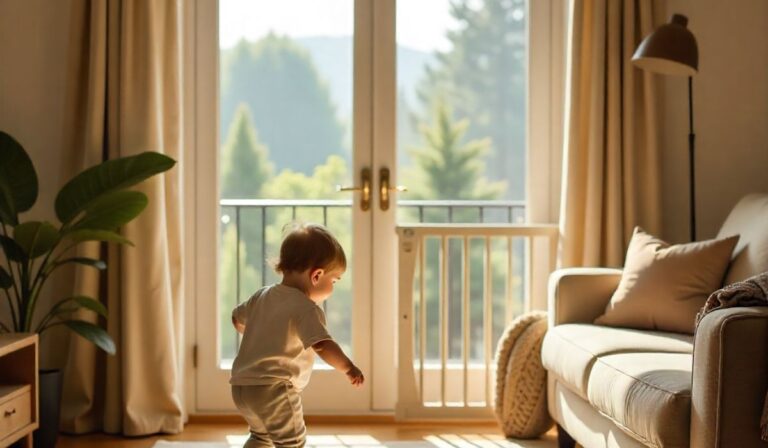
A toddler toddling around, a playful puppy nipping at their heels, and a home full of potential hazards.
Sounds familiar? Many families face this daily dance of managing energetic kids and furry companions.
Finding the right balance of keeping both safe requires a proactive approach. This guide will help you create a secure environment where children and dogs can coexist happily.
You will learn essential strategies and practical advice to transform your house into a haven, protecting your family and your four-legged friends.
Learn how to create a safer space for both your children and your dog by focusing on the crucial aspects of pet-proofing your home. This will help you protect both your child and your dog from potential dangers.
Identifying and Eliminating Hazards
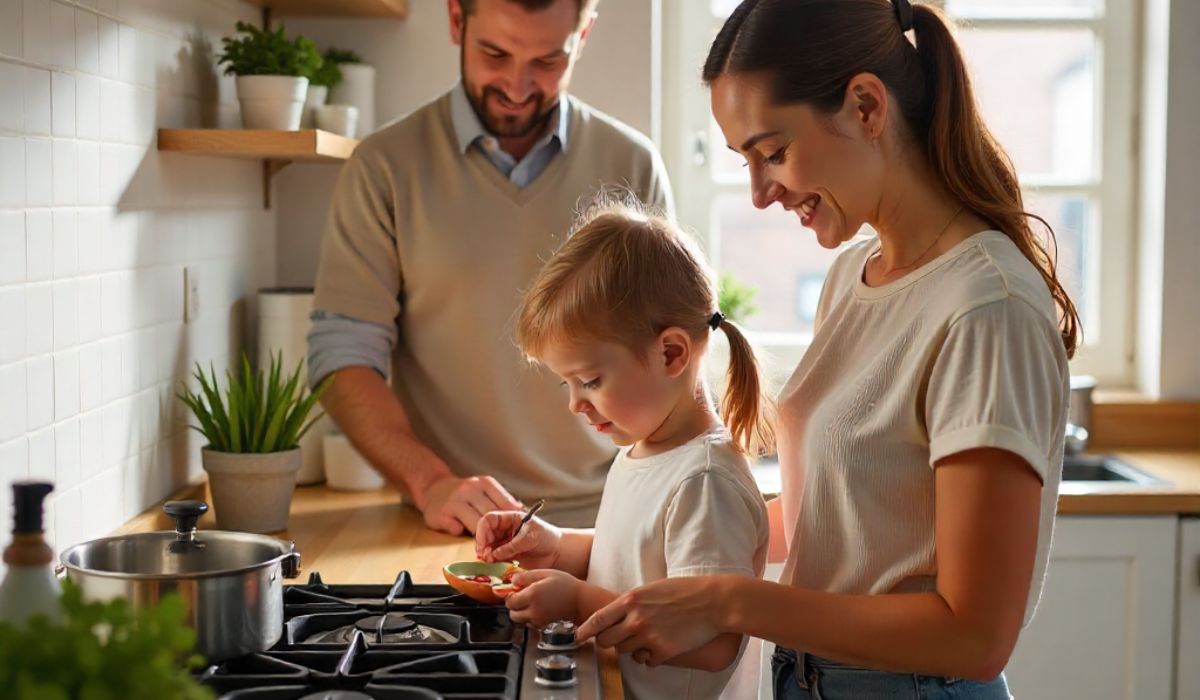
The first step in pet-proofing your home is a thorough assessment of potential dangers. It’s similar to a detective investigating a crime scene, but instead of evidence, you are looking for potential hazards.
This requires walking through your home at both dog and toddler levels, getting down on your hands and knees.
This is to see the world from their perspectives. Look for anything that could be swallowed, chewed, or tripped over. This section provides a detailed exploration of those common culprits and provides solutions.
Toxic Substances: The Silent Threats
Household cleaners, medications, and even certain plants can pose serious risks to both children and dogs.
Many cleaning products contain chemicals that can cause burns, poisoning, or respiratory issues if ingested or inhaled.
Medications, even those prescribed for humans, can be deadly to animals, and vice versa. Some plants, like lilies and sago palms, are highly toxic to dogs and cats, causing organ failure or other serious health complications. This emphasizes the need for careful storage and awareness.
- Medication Management: All medications, whether prescription or over-the-counter, should be stored in child-proof containers, preferably in locked cabinets or drawers, and kept completely out of reach.
Ensure that medicine cabinets are securely latched. Dispose of expired medications properly, following the guidelines of your local pharmacy or waste disposal service.
Never leave medications on countertops or within reach, even for a moment. This includes vitamins and supplements.
- Cleaning Product Security: Store all cleaning products, detergents, and other chemical solutions in a locked cabinet or a high shelf. Consider using child-resistant closures for liquid products.
Read product labels carefully, noting any warnings about toxicity or hazards. Clean up spills immediately, making sure that neither children nor pets have access to them. The use of natural and non-toxic cleaning alternatives is a beneficial choice.
- Plant Selection and Placement: Research all houseplants to ensure that they are non-toxic to both dogs and children.
If you have toxic plants, place them in areas inaccessible to children and dogs, such as high shelves or hanging baskets.
Consider artificial plants if you have a dog or a child who enjoys exploring the outdoors. Ensure that any outdoor plants are also pet-friendly.
Small Objects and Choking Hazards
Small objects represent significant choking hazards for both children and dogs. These objects are a perfect fit for little mouths, and they can easily block airways.
This is why you must eliminate these objects from your home. Things like toys with small parts, coins, buttons, and even small dog toys can become dangerous if they are accessible to curious youngsters.
It’s not just the size that matters; the material of the object can also affect how dangerous it is. Some materials can expand in the digestive tract, increasing the risk.
- Toy Safety: Regularly inspect children’s and dogs’ toys for wear and tear. Throw away toys that are broken or have small, detachable parts.
Choose age-appropriate toys that are designed to withstand rough play and cannot be easily swallowed or broken apart.
Opt for larger toys for dogs, avoiding anything that can be chewed into smaller pieces. Supervise young children while they play with toys, especially if dogs are nearby.
- Securing Small Items: Keep items such as coins, batteries, buttons, and craft supplies in secure, out-of-reach locations.
Use containers with secure lids to store these items. Teach children from a young age that these items are not toys and should not be placed in their mouths. A simple rule is if it can fit in their mouth, keep it out of sight.
- Furniture and Decor: Inspect furniture for loose parts, such as buttons or decorative pieces, that could become detached.
Be careful with decorative items such as figurines, small statues, or other pieces that could be knocked over or swallowed. Choose stable furniture and secure it to the walls or floor, especially if you have an active dog or child.
Electrical Cords and Outlets
Electrical hazards pose a risk to both children and dogs. Children and dogs may be tempted to chew on cords or insert objects into electrical outlets.
Exposed wires and frayed cords can result in severe shocks or burns. Electrical outlets are also a major source of potential danger.
Young children, who are naturally curious and explore everything with their hands, can easily insert fingers or objects into outlets. This is why electrical safety is paramount in any family household.
- Cord Management: Conceal electrical cords behind furniture or use cord covers or protectors. This prevents children and dogs from accessing cords and minimizes the risk of chewing or tripping.
Consider using wireless devices to reduce the number of cords in your home. Regularly check cords for fraying or damage, and replace any damaged cords immediately. Use cord organizers and cable ties to keep cords neat and out of the way.
- Outlet Safety: Install outlet covers in all electrical outlets that are not in use. Choose outlet covers that are difficult for children to remove, such as sliding or self-closing covers.
Consider using tamper-resistant outlets, which have a built-in safety mechanism that prevents objects from being inserted. Regularly check outlet covers to ensure that they are securely in place and functioning correctly.
- Appliance Safety: Keep appliances such as irons, hair dryers, and space heaters out of reach. These appliances can cause burns if touched or knocked over.
Unplug appliances when they are not in use. Teach children about the dangers of electricity, explaining why they should never touch electrical cords or outlets. Use appliance cords that are short and tucked out of the way.
Creating Safe Spaces for Kids and Dogs
Within your home, designated safe spaces can provide both kids and dogs with areas of peace and security.
These safe havens are designed to minimize conflict and allow each to have their own space. These spaces help to reduce stress and create a harmonious living environment.
By establishing these areas, you provide the dog with a retreat, which helps minimize their stress when children become too rowdy.
Dog-Specific Safe Zones
Every dog needs a place they can call their own, a spot where they can feel safe, calm, and secure, away from children’s boisterous play.
This could be a crate, a dog bed in a quiet corner, or even a specific room that is just for the dog. The idea is to create a space where the dog can retreat if they feel overwhelmed or just need a break.
It’s a sanctuary where they know they will not be disturbed, allowing them to relax and de-stress. Encouraging and respecting the dog’s personal space ensures their mental and physical health.
- Crate Training: If your dog is crate trained, ensure the crate is a comfortable size, with a soft bed and access to water. The crate should be placed in a quiet area of the home.
Never force the dog to stay in the crate. Introduce the crate as a positive space using treats and praise.
The crate should be a safe haven, never a place of punishment. Teach children to never disturb the dog while they are in their crate.
- Designated Dog Bed: Place a dog bed in a quiet corner of a room, away from high-traffic areas. This can serve as the dog’s retreat space.
Ensure the dog has access to their bed at all times. Teach children not to bother the dog when they are in their bed.
This can be reinforced by providing a reward system such as treats when the child leaves the dog alone.
- Quiet Room: If space allows, designate a room as the dog’s sanctuary. This space should contain the dog’s bed, toys, and food and water bowls.
Teach children that this room is off-limits to them unless they are supervised and interacting with the dog in a gentle and appropriate manner. The door to this room should always be easily accessible to the dog.
Child-Specific Safe Zones
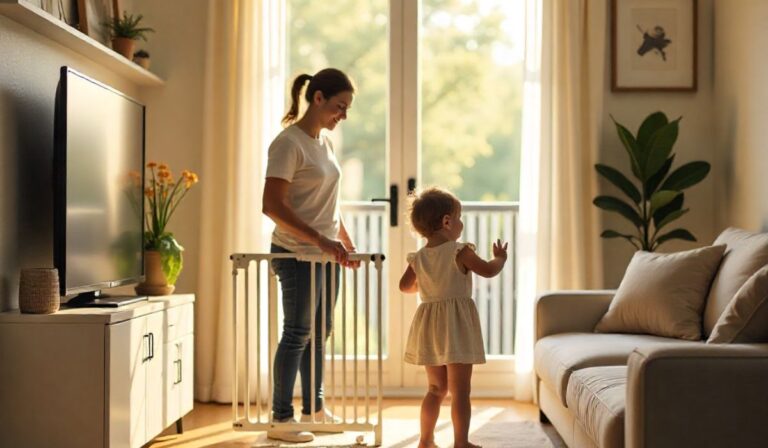
Similar to dogs, children also need safe spaces where they can play freely and away from the dog. This can be a play area, a specific corner in a room, or even an entire room dedicated to their play.
These areas ensure children’s safety and help to prevent dog interactions. This can minimize conflicts and provide each with a place to relax and enjoy their own space.
- Playpen or Play Area: A playpen is a great way to contain young children and keep them safe from the dog. Use a playpen in a visible area where you can easily supervise both the child and the dog.
The playpen should have soft flooring and include a variety of age-appropriate toys. Make sure the playpen is free of hazards such as cords, small objects, or toxic substances. Ensure the dog is not allowed to enter the playpen area.
- Child-Proofed Room: If you have a separate room for children’s play, make sure that it is child-proofed. Cover electrical outlets, secure furniture, and store all dangerous objects out of reach.
The room should have toys that are age-appropriate and safe. The dog’s access to the room should be limited or supervised. Make sure you can easily oversee both the dog and the children from your location.
- Supervised Play: Even if you have safe spaces, it is essential to supervise interactions between children and dogs. Teach children how to gently interact with the dog.
Never leave a young child and a dog alone together without supervision. Always separate the child and the dog if you cannot directly supervise them. This also helps you observe how your child and dog react to one another.
Preventing Dog Bites and Promoting Safe Interactions
One of the most critical aspects of pet-proofing your home is teaching both children and dogs how to interact safely.
Dog bites are a serious concern, and they can be prevented by educating everyone in the household on proper dog behavior and child interaction etiquette.
Understanding dog body language and knowing how to interpret their cues is essential for avoiding incidents.
This requires a combination of training and constant supervision to foster a safe and positive relationship between kids and dogs.
Understanding Dog Body Language
Dogs communicate through body language, and it is imperative to learn to recognize these signals. Before you can address potential issues, you must know how to spot the warning signs that indicate a dog may feel uncomfortable, stressed, or threatened.
Understanding the dog’s intentions can help prevent negative interactions. Common signs of distress include lowered ears, a tucked tail, a stiff posture, and showing teeth. A dog can be triggered by many things, and you must know how your dog reacts.
- Reading the Signals: Watch for signs of stress, such as lip licking, yawning, whale eye (showing the whites of the eyes), and a tucked tail. These indicate the dog is feeling stressed or uneasy.
Learn to differentiate between a playful posture, such as a play bow (front legs down, rear in the air), and a defensive posture, such as a tense body and growling.
If the dog is showing aggressive behaviors, such as growling or snapping, immediately separate them from the child.
- Recognizing Aggression: Be aware of the signs of aggression, which include growling, snarling, showing teeth, and snapping or biting.
Learn what triggers your dog’s aggression. It could be specific toys, certain types of interactions, or even the presence of certain people or other animals. If your dog exhibits signs of aggression, consult with a professional dog trainer or behaviorist.
- Positive Reinforcement: Use positive reinforcement techniques to reward good behavior and encourage positive interactions.
Use treats, praise, and petting to reward the dog when they interact appropriately with the child. Encourage the dog to walk away when the child approaches rather than forcing an interaction. Reward your dog with positive associations.
Teaching Children How to Interact with Dogs
Children must learn how to behave around dogs to ensure everyone’s safety. They must learn what is appropriate, to avoid triggering negative responses from the dog.
This requires constant supervision, and regular reinforcement. From a young age, children should understand that dogs are not toys and should be treated with respect.
This can be achieved through regular instructions, practical demonstrations, and consistent reinforcement of these rules.
- Gentle Touch: Teach children to pet dogs gently and avoid hugging, pulling tails, or putting their faces close to the dog’s face.
Show children how to pet a dog correctly, using gentle strokes under the chin or along the side of the body. Encourage children to ask the dog for permission before touching the dog. Children must be taught that it is okay if a dog does not want to be touched.
- Respecting Space: Teach children to respect the dog’s space and not to disturb the dog when it is eating, sleeping, or in its crate or bed.
Explain to children that the dog needs its space and should not be bothered when it is resting. Encourage children to let the dog come to them rather than approaching the dog uninvited. Use the dog’s safe space to teach them about privacy.
- Supervised Interactions: Always supervise interactions between children and dogs. Never leave a child alone with a dog without direct supervision.
Be aware of any warning signs or changes in the dog’s behavior. Intervene immediately if the dog shows signs of stress or aggression.
Even if your dog has never shown any signs of aggression, it is still crucial to supervise any interaction between the dog and the children.
Selecting Safe Toys and Other Items
Choosing the right toys and other items for both children and dogs is critical for ensuring safety. Toys are one of the most common causes of accidents in a house.
Selecting the right toys, that match their age and are designed to withstand use can make a big difference.
This section provides detailed advice on making safe choices to safeguard your family. These strategies will help keep both children and pets safe.
Toys for Children
When selecting toys for children, safety should be the top priority. The safety of a child’s toys is paramount.
The wrong toys can pose choking hazards or other dangers. It is important to inspect toys regularly for wear and tear, and to choose age-appropriate toys.
Toys can be categorized based on age and abilities, ensuring each child’s safety, and the ability to engage with each toy.
- Age Appropriateness: Choose toys that are appropriate for the child’s age and developmental stage. This minimizes the risk of choking hazards and other injuries.
Toys for babies and toddlers should be large enough that they cannot be swallowed. Avoid toys with small parts that can be detached. Always check for age recommendations on the packaging.
- Durable Materials: Select toys made from durable, non-toxic materials that can withstand rough play.
Avoid toys that are easily broken or that have sharp edges or points. Inspect toys regularly for damage. If a toy shows signs of wear and tear, discard it or repair it immediately.
- Toy Storage: Establish a designated area for toy storage. This helps keep toys organized and prevents tripping hazards.
Use toy boxes or shelves to store toys when they are not in use. Encourage children to put away their toys after playing. This also helps with the prevention of dog hazards.
Toys for Dogs
Dogs, like children, require age-appropriate toys. These toys should be fun but safe and durable enough to withstand the wear and tear of a dog’s play.
They should be the right size, and designed to prevent harm, chewing, and ingestion. Choosing the right toys can enhance a dog’s well-being and play.
- Size and Durability: Choose toys that are appropriately sized for your dog and that are made from durable materials that can withstand chewing.
Toys should not be small enough for the dog to swallow. Avoid toys with easily detachable parts that can become choking hazards. Look for toys made of rubber, nylon, or other durable materials.
- Safe Materials: Avoid toys made from toxic materials or that contain small parts. Ensure toys are non-toxic and safe for dogs.
Check the labels and packaging for any safety warnings or recommendations. Avoid toys that are stuffed with small pieces or that could be easily ripped apart. This is especially true for toys marketed to dogs.
- Toy Rotation: Rotate your dog’s toys regularly to keep them interested and prevent boredom. This also helps ensure that toys do not accumulate and become a potential hazard.
Provide a variety of toys, including chew toys, puzzle toys, and fetch toys. Throw away toys that are broken or no longer safe. This is especially important for safety.
The Importance of Supervision and Training
Even with all these measures in place, constant supervision and proper training are critical components of a safe home.
You cannot build a safe home without these. These two elements can ensure the continued safety of children and dogs.
Without supervision, or the proper training, safety measures are insufficient. This involves continuous monitoring of interactions, coupled with consistent training for both children and dogs. It also ensures the safety of your family.
Supervision Strategies
Supervision is the key to minimizing risks and ensuring safety. Supervise all interactions between children and dogs, especially during the initial stages of introducing them.
While a home can be designed to make life safer for both, never leave a child alone with a dog. Supervision helps prevent negative outcomes and allows you to intervene if necessary. With a good supervision strategy, you are better equipped to react to any situation.
- Constant Monitoring: Always be present and attentive when children and dogs are in the same area. This means giving your full attention, without distractions.
Avoid using your phone, watching TV, or getting involved in other activities that could distract you from what is happening between the dog and the children. If you are unable to supervise, separate them from one another.
- Intervention: Be ready to step in and intervene if you see any signs of conflict or potential danger. If the dog appears uncomfortable, or if the child is being too rough, it is essential to step in.
Separate the child and the dog immediately. This gives them time to calm down and avoid any escalation of the situation. Always provide a safe space.
- Teach and Enforce: Teach children to respect the dog’s space and to interact with the dog gently. Reinforce this by praising positive interactions and correcting any inappropriate behavior.
Consistently enforce rules about dog interactions. This is the only way that you can maintain a safe environment. Praise the children and dogs when they interact safely and appropriately.
Training and Socialization
Proper training and socialization are essential for creating a well-behaved dog that can coexist peacefully with children.
Training helps the dog understand the rules, and it can reduce anxiety. Socialization helps dogs become accustomed to new people, and new situations.
This promotes good behavior. Consistent training and socialization will provide a dog with the skills needed to interact positively and safely with children.
- Basic Obedience: Train your dog in basic obedience commands such as sit, stay, come, and leave it. This creates a solid foundation of control and helps in managing behavior.
Enroll your dog in obedience classes or hire a professional dog trainer. These classes will teach you how to properly train your dog. Practice commands regularly and reward your dog for good behavior.
- Socialization: Expose your dog to various sights, sounds, people, and environments. This helps to desensitize your dog and make them less reactive to new stimuli.
Introduce your dog to children in a controlled and positive manner. This will teach your dog to become comfortable with children. The more exposure your dog gets, the better the interaction will be.
- Professional Help: Seek guidance from a certified dog trainer or behaviorist. If you encounter any behavioral challenges or problems, do not hesitate to ask for help.
They can provide insights into your dog’s behavior. They can help you create a behavior modification plan. Remember that it may be a trial and error process.
FAQ Of Pet-Proofing Your Home
What is the most important thing to do when pet-proofing your home?
The most important thing is to be proactive and thorough, carefully assessing potential hazards at the dog and child’s level and addressing them promptly.
How often should I inspect my dog’s toys?
Inspect your dog’s toys regularly. Discard any toys that are damaged or have small parts that could be swallowed.
What should I do if my child is approaching a dog that seems uncomfortable?
Immediately intervene. Ask the child to stop and step back. Never force interactions. If you are unsure, separate the child and dog immediately.
Is it okay to leave a child and a dog alone together?
No, never leave a child and a dog alone together unsupervised, regardless of how friendly they seem. Supervision is the single most important factor.
What should I do if my dog shows signs of aggression?
Immediately separate the dog and the child. Consult with a professional dog trainer or a behaviorist to address the dog’s aggression.
Final Thoughts
Creating a safe home for dogs and children requires a consistent effort. It involves identifying and eliminating potential hazards, teaching kids to respect and interact gently with dogs, and training dogs to be well-behaved and safe around children.
Providing safe spaces for both kids and dogs, such as dog beds, crates, and play areas, helps minimize conflicts and stress.
Regular supervision, along with consistent training and socialization for dogs, is crucial for fostering a harmonious environment.
By implementing these measures, you can transform your house into a haven. Creating a pet-proofed home offers peace of mind. It allows both your kids and your pets to thrive, while ensuring everyone’s safety.