Securing Furniture And Tvs: Preventing Tip-Over Accidents In Family Homes
Key Takeaways
- Learn why securing furniture and TVs is important for child safety.
- Discover the different types of anchors and safety straps used to prevent tip-over accidents.
- Understand how to identify furniture at risk and how to assess potential hazards in your home.
- Find out how to install anti-tip devices correctly for maximum protection.
- Explore important steps for educating children about the risks of climbing on furniture.
Time your little sibling tried to climb the bookshelf, and you held your breath? Maybe you’ve seen a news report about a child injured by a falling piece of furniture.
These situations are more common than you might think, but there are simple steps you can take to make your home safer.
This guide focuses on securing furniture and TVs to protect children and adults from dangerous tip-over accidents.
You’ll explore effective strategies and practical solutions that can drastically reduce the risk in your living spaces. What you learn here will help you create a safer home environment, improving your peace of mind.
Why Secure Furniture and TVs?
Every year, thousands of children are injured in tip-over accidents involving furniture and televisions.
These accidents can lead to serious injuries, including head trauma and even fatalities. Many families are unaware of the hidden dangers within their homes, believing that their furniture is inherently stable.
The reality is that items like tall dressers, bookshelves, and televisions are top-heavy and can easily tip over if not properly secured.
Recognizing this hidden hazard is the first step in ensuring a safer living environment for everyone. Implementing safety measures can prevent these tragic occurrences.
The Scope of the Problem
Tip-over accidents are a significant but often overlooked safety issue. They are particularly prevalent in homes with young children, who are naturally curious and prone to climbing.
However, these incidents can affect individuals of all ages. Statistics reveal a concerning trend, with a considerable number of reported injuries and deaths each year.
These numbers underscore the urgency of addressing this preventable hazard. Awareness and proactive measures are key in decreasing the number of tip-over incidents.
- According to the Consumer Product Safety Commission (CPSC), on average, a child is injured every 30 minutes in the United States due to furniture or TV tip-overs.
- Tip-over incidents are the leading cause of injury for children ages 0-14, resulting in a disproportionate number of severe injuries.
- In most instances, deaths and injuries caused by tip-over accidents involve unsecured furniture or televisions.
Identifying High-Risk Furniture
Not all furniture poses the same level of risk. Tall, heavy pieces, such as dressers, chests of drawers, and tall bookshelves, are especially prone to tipping over.
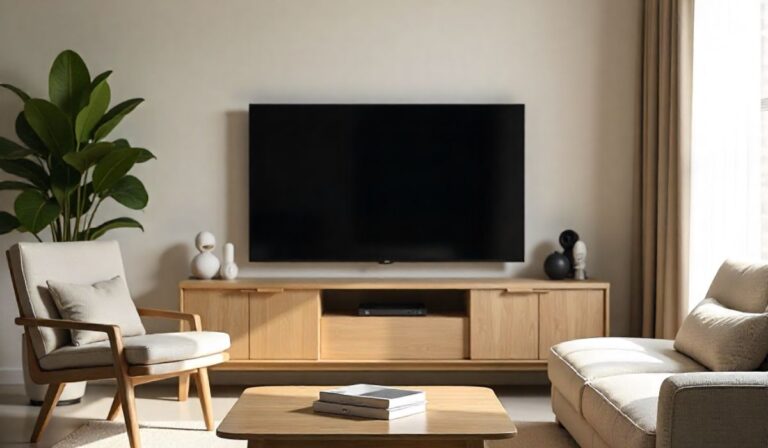
Televisions, particularly older CRT models and even modern flat-screen TVs without proper stands, also present a considerable hazard.
Assess the furniture in your home to determine which items are most at risk and in need of securing.
Consider the weight distribution and the potential for items to become unstable if a child attempts to climb on them.
- Tall Dressers and Chests: These are frequently involved in tip-over accidents due to their height and top-heavy design.
- Tall Bookcases and Shelving Units: Similar to dressers, these can easily tip if not properly anchored, especially if heavily loaded.
- Televisions (Especially Older Models): Older TVs were much heavier, making them a significant tipping hazard. Even newer, flat-screen TVs can tip if not properly mounted or secured.
- Unstable or Wobbly Furniture: Any furniture that feels unstable or wobbles when pushed slightly should be considered high-risk.
The Role of Child Safety
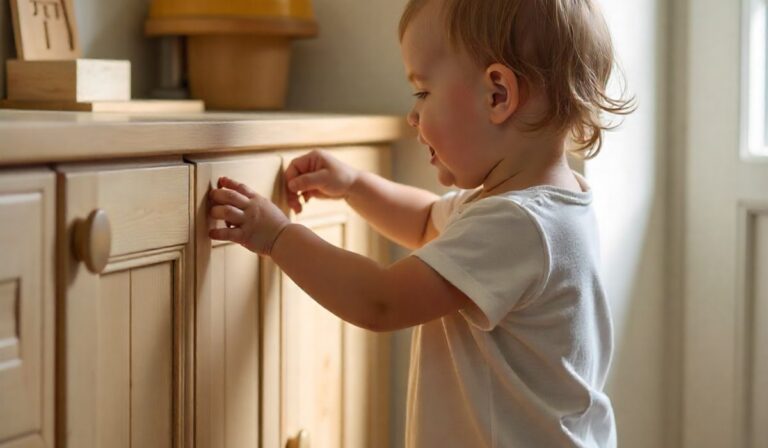
Young children are particularly vulnerable to tip-over accidents. They are often curious and lack the understanding of potential dangers.
It is essential to approach child safety with a multifaceted strategy, incorporating both preventative measures and educating children about the risks involved.
This involves not only securing furniture but also teaching children about the dangers of climbing and the importance of staying away from potentially unstable items. Providing a secure play environment plays a large role in ensuring safety.
- Curiosity and Exploration: Children’s natural curiosity leads them to explore their surroundings, which often includes climbing on furniture.
- Lack of Awareness: Young children may not fully grasp the potential dangers of tip-over accidents and their consequences.
- Accessibility: Furniture that is within a child’s reach and ability to climb presents the greatest risk.
- Developmental Stages: Children’s motor skills and coordination develop gradually. This can make climbing on unstable furniture dangerous.
Methods for Securing Furniture and Televisions
There are several methods for securing furniture and televisions to prevent tip-over accidents. Anchoring furniture to the wall is the most effective approach.
This can be done using various types of anchors and straps that attach the furniture securely to wall studs.
Additionally, televisions can be secured using specific mounts or by attaching them to the furniture itself.
Choosing the appropriate methods depends on the type of furniture, the wall construction, and the overall aesthetic you wish to maintain in your living spaces. When selecting safety equipment, check for certifications from reputable organizations.
Anchoring Furniture to Walls
Wall anchoring is the primary and most reliable method for preventing furniture tip-overs. It involves using specialized hardware to connect furniture directly to the wall studs.
This dramatically increases the stability of the furniture. There are different types of anchors available, each designed for different wall materials and furniture types.
The correct installation and regular checks ensure continued safety. The right approach ensures the furniture stays firmly in place, even if a child attempts to climb on it.
- Wall Anchors: These are the foundation of furniture safety. They come in several varieties, including stud anchors, drywall anchors, and toggle bolts.
- Straps and Cables: Typically made of durable materials, these straps or cables connect the furniture to the wall anchor. Adjustable straps allow for flexibility in placement.
- L-Brackets: These brackets are used to connect furniture directly to the wall studs. They’re strong and easy to install.
- Installation: Proper installation is important. Anchors should be installed into wall studs for maximum stability.
Securing Televisions
Televisions, especially older models and freestanding flat screens, can be a major cause of tip-over accidents. Secure TV placement is key in preventing these incidents.
There are several ways to secure a TV, including using TV safety straps, mounting the TV directly to the wall, or securing it to the furniture. Ensuring that the TV is stable and out of reach is important for family safety.
- TV Safety Straps: These straps attach the TV to the furniture or the wall, preventing it from tipping over.
- Wall Mounting: This is one of the safest options, as it keeps the TV out of reach and firmly secured.
- Furniture Attachment: If the TV sits on furniture, it can be attached to the furniture to increase stability.
- TV Stands: If using a stand, select one that’s stable and appropriate for the TV size. Ensure the TV is securely attached to the stand.
Choosing the Right Hardware
Selecting the correct hardware is essential for securing furniture and televisions effectively. Consider the type of wall construction, the weight of the furniture or TV, and the specific needs of your home.
Always follow the manufacturer’s instructions for installation. Regularly inspect the hardware to make sure it remains secure and in good condition.
The right hardware can make all the difference when it comes to preventing accidents. This investment provides enhanced safety and protection.
Here’s a comparison table showing different types of anchors:
| Anchor Type | Best For | Pros | Cons |
|---|---|---|---|
| Stud Anchors | Attaching directly to wall studs | Strongest hold, most reliable | Requires locating studs |
| Drywall Anchors | Drywall installation | Easy to install, widely available | Less secure than stud anchors |
| Toggle Bolts | Hollow walls (drywall or plaster) | Very secure in hollow walls | Requires a hole large enough for the toggle to pass through |
Installation and Inspection
Correct installation is crucial for the effectiveness of any anti-tip device. Before beginning, make sure you have the appropriate tools, including a stud finder, drill, screwdriver, and level.
Carefully read and follow the manufacturer’s instructions for each anchor and strap. Regular inspections are also essential.
Check that all anchors and straps are secure, and replace any damaged or worn-out hardware right away. Proper maintenance guarantees long-lasting protection and helps prevent accidents.
Step-by-Step Installation Guides
Detailed, step-by-step instructions are very important when installing anti-tip devices. These instructions help you to follow the right process to achieve the best results. The process will vary slightly depending on the type of anchor or strap.
Take the time to plan, measure, and perform each step. Always double-check the stability of the connection to ensure that it can handle the weight of the furniture or television. Proper installation maximizes the protective effectiveness of the safety devices.
- Locate Wall Studs: Use a stud finder to identify the wall studs, the strongest part of your wall. This is where you’ll want to anchor your furniture.
- Drill Pilot Holes: Drill pilot holes for the anchors to make the installation easier and prevent damage to your wall.
- Attach Anchors and Straps: Secure the anchors to the furniture and the wall studs according to the manufacturer’s instructions. Use straps to connect the furniture to the wall.
- Tighten and Test: Tighten all screws and straps securely, then test the stability by gently tugging on the furniture or television.
Regular Inspection and Maintenance
Regular maintenance ensures that anti-tip devices remain effective over time. Set up a schedule for checking all anchors and straps, at least twice a year.
If you have children, consider increasing the frequency of checks. Inspect all hardware for any signs of wear and tear, such as loose screws, frayed straps, or damaged anchors.
Replace damaged components immediately. Performing regular maintenance can prevent potential accidents and ensure the continued safety of your home.
- Visual Inspections: Regularly check anchors and straps for any damage or signs of wear.
- Tightening Screws: Tighten any loose screws. Furniture naturally moves, so screws can loosen over time.
- Testing Stability: Gently test the stability of anchored furniture or TVs by applying slight pressure.
- Replacement: Replace any damaged or worn parts promptly to maintain the integrity of the safety system.
Common Installation Mistakes
Knowing about common installation mistakes helps you avoid them, ensuring that your safety measures are as effective as possible.
One of the biggest mistakes is not anchoring furniture to wall studs. This significantly reduces the holding power of the anchor.
Other mistakes include using the wrong type of anchor for the wall material or failing to tighten the straps correctly.
By avoiding these common pitfalls, you can improve the effectiveness of your efforts and protect your loved ones.
- Not Using Wall Studs: The primary mistake is failing to attach the furniture to wall studs.
- Using the Wrong Anchors: Using an anchor that isn’t suited to the wall material can result in failure.
- Loose Straps: If the straps are not tightened correctly, the protection will be limited.
- Ignoring Manufacturer’s Instructions: Always follow the instructions from the manufacturer.
Educating Children and Promoting Safe Habits
While securing furniture and TVs is important, it is also important to teach children about the dangers.
Teaching children about the risks involved is as important as implementing safety measures. This includes educating them about the dangers of climbing and the need to keep away from potentially unstable items.
Positive reinforcement and open communication play a large part in encouraging safe behaviors. Creating safe habits is a key component of protecting children.
Age-Appropriate Conversations
Talking with children about safety needs to be appropriate for their ages and development stages. For young children, use simple, easy-to-understand language.
Instead of using complex concepts, use simple terms and examples that they can connect with. As children grow older, you can gradually introduce more detailed information.
It is important to encourage questions and create an open atmosphere to talk about potential risks. This strategy can help them understand the importance of safety.
- Toddlers and Preschoolers: Use simple, direct language and visual aids. For instance, show them what can happen if they climb on furniture.
- Elementary School Children: Offer more details about potential risks. Discuss the consequences of unsafe behavior.
- Teenagers: Encourage more independent decision-making and discuss scenarios. Talk about the importance of being aware of their surroundings.
Creating a Safe Play Environment
Creating a safe play environment involves minimizing potential hazards. This includes providing age-appropriate toys, organizing play areas to prevent climbing, and making sure that all furniture is properly secured.
It is also important to establish clear rules and expectations about what is acceptable. A secure play environment lets children explore and learn in a safe setting.
By eliminating potential hazards, you lower the risks of accidents and foster a safer, more positive environment.
- Safe Play Areas: Dedicate specific play areas to keep toys away from furniture.
- Age-Appropriate Toys: Choose toys that are suitable for their age and development stage.
- Supervision: Supervise children, especially when they are around furniture and TVs.
- Clear Rules: Make it clear that children should not climb on furniture.
Reinforcing Safe Behaviors
Reinforcing safe behaviors is important for encouraging them to become habits. This involves consistently praising children for making smart choices and following safety rules.
Use positive reinforcement to reward safe behaviors. If you observe any unsafe actions, immediately intervene, explain why the behavior is unsafe, and offer a safe alternative.
This technique creates a culture of safety. It also helps children build good habits and promotes a safer home.
- Positive Reinforcement: Praise and reward children when they display safe behaviors.
- Consistency: Consistently enforce safety rules, both at home and when visiting other places.
- Modeling Safe Behavior: Be a role model by following safety rules yourself.
- Consequences: Set up and explain the consequences of unsafe behavior.
FAQ Of Securing Furniture And Tvs
How often should I check the anchors and straps securing my furniture?
It is recommended to check the anchors and straps at least twice a year and after any major event, such as an earthquake or a move. More frequent checks are advised if you have young children.
What’s the best way to determine if my furniture needs to be secured?
Assess your furniture by gently pushing on it. If it feels unstable or easily tips, it should be secured. Pay attention to tall, heavy pieces like dressers and bookshelves.
What if I rent my home? Am I still responsible for securing furniture?
Yes, in most cases, you are responsible for the safety of your family. You should secure furniture regardless of whether you own or rent your home, as the responsibility for child safety typically rests with the caregivers.
Can I use any type of wall anchor to secure furniture?
No, the type of wall anchor you use should be determined by the construction of your walls and the weight of the furniture. Always choose anchors specifically designed for the type of wall you have.
Where can I find the correct hardware and tools to secure my furniture?
Wall anchors, straps, and related hardware can be found at most hardware stores or online retailers. Stud finders and drills are also readily available.
Final Thoughts
Creating a safe home for your family is essential, and one of the most important steps you can take is to make sure your furniture and televisions are securely anchored.
This guide has explored a variety of techniques and tools that can help you prevent tip-over accidents.
Remember, the effort you put in now can significantly reduce the risk of injuries and provide peace of mind.
By assessing your home, using proper anchoring methods, and educating your family, you can build a safer environment for everyone to enjoy.
Start by identifying the most at-risk items in your home and plan to make these simple fixes. You can make a real difference, protecting your loved ones and creating a secure home for your family.