Apartment Safety In High-Rise Buildings: Evacuation And Fire Plans For Families
Key Takeaways
- Learn how to develop a family evacuation plan specific to your high-rise apartment.
- Understand the importance of fire safety precautions and hazard identification within your home.
- Discover the correct steps to take during a fire, including knowing when to evacuate or shelter-in-place.
- Get to know your building’s safety features and how they can assist you in an emergency.
- Find out how to practice your evacuation plan to ensure preparedness for all family members.
- Learn about essential emergency supplies to keep readily available in your apartment.
You’re settling in for a quiet evening with your family in your high-rise apartment, when suddenly, a blaring alarm pierces the silence.
Panic sets in. Do you know what to do? Many families, unfortunately, haven’t thought about apartment safety or evacuation plans.
This guide will provide crucial information to ensure your family’s safety during emergencies. We’ll explore fire safety measures, evacuation strategies, and how to create a proactive plan that gives you peace of mind.
By the end, you’ll feel better equipped to handle any unexpected situation and safeguard your loved ones.
You’ll gain practical knowledge that can make all the difference in a crisis, significantly improving your ability to respond effectively. Let’s make your high-rise home a safer place.

Preparing Your High-Rise Apartment for Fire Safety
Before considering evacuation plans, setting the stage for safety is the first thing that you need to do. Fire safety within your high-rise dwelling begins with a proactive approach.
This involves a keen awareness of potential hazards and a commitment to minimizing risks. Regular inspection and maintenance are vital components in a strong defense against fire.
This segment focuses on preventative measures that help safeguard your family. From understanding smoke detectors to the safe use of appliances,
we’ll equip you with the information you need to create a fire-safe environment. We will explore how to identify potential hazards and take steps to reduce the likelihood of a fire in your home. This section provides the foundation for all apartment safety plans.
Recognizing Fire Hazards
Every home contains potential fire hazards, and high-rise apartments are no exception. Knowing what these hazards are is the first step in fire safety.
Common risks can often be easily addressed. Ignoring these hazards puts your entire family in danger.
By doing a thorough assessment of your apartment, you can identify and correct risks. This will prevent many fires from starting. Let’s look at some common areas for fire hazards and how to address them.
- Electrical Safety: Overloaded outlets and damaged wiring are significant fire risks. Avoid using too many appliances on a single outlet or extension cord. Regularly inspect cords for fraying or damage and replace them immediately. Never run cords under rugs, as this can trap heat. Ensure that you have properly grounded outlets. A good practice is to regularly check all electrical appliances and wiring in your apartment. Hire a qualified electrician to inspect the electrical system and address any potential problems. This small investment can prevent a potentially serious incident.
- Cooking and Kitchen Safety: Cooking is a common cause of fires. Never leave cooking unattended. Keep flammable items, such as dish towels and oven mitts, away from the stovetop. Clean your oven and exhaust hood regularly to remove grease buildup. Have a fire extinguisher designed for kitchen fires readily accessible. It’s important to educate all family members, including children, about safe cooking practices. This includes knowing what to do if a grease fire starts, such as smothering the flames with a lid. It is always wise to keep a fire extinguisher nearby and know how to use it safely.
- Heating and Appliance Safety: Space heaters are a common source of fire. If you use them, keep them at least three feet away from combustible materials, such as curtains, furniture, and bedding. Turn off and unplug all appliances when not in use. Regularly clean lint traps in your clothes dryer and avoid running the dryer when you are not home. Regular maintenance is essential to avoid appliance-related fires. Have your heating and cooling systems inspected and serviced yearly by a qualified technician. Make sure appliances are in good working order.
- Flammable Materials: Store flammable materials, such as gasoline, paint, and cleaning supplies, in a cool, well-ventilated area away from heat sources. Dispose of flammable waste promptly and responsibly. Keep matches and lighters out of the reach of children. A common mistake is storing flammable items improperly, especially in areas with potential ignition sources. Consider where you store these items and ensure they are kept in a safe place. Regular cleanups are crucial to remove waste and maintain a fire-safe environment.
The Importance of Smoke Detectors and Carbon Monoxide Detectors
Smoke detectors and carbon monoxide (CO) detectors are critical components of any apartment safety plan.
They provide early warning of fire or dangerous gas leaks, giving you and your family time to react. These devices are not just helpful; they’re life-saving.
Understanding their proper use, placement, and maintenance can significantly increase your chances of survival in an emergency. They are your first line of defense.
- Smoke Detectors: Smoke detectors should be installed on every level of your apartment, inside each bedroom, and outside each sleeping area. Test your smoke detectors monthly by pressing the test button. Replace batteries at least once a year, or as recommended by the manufacturer. Replace the entire unit every 10 years. It is important to understand the different types of smoke detectors. There are ionization and photoelectric detectors, each designed to detect different types of fires. For maximum protection, it is always a good idea to have a combination of both types. Regular maintenance is also important. The devices can fail, so be sure they are working.
- Carbon Monoxide Detectors: Carbon monoxide is a poisonous gas that is odorless and colorless. Carbon monoxide detectors should be installed near sleeping areas. Test them monthly and replace the batteries as recommended. If the detector alarms, immediately evacuate your apartment and call emergency services. Carbon monoxide can be created by any fuel-burning appliance, including furnaces, water heaters, and gas stoves. The detectors should be placed near sleeping areas since CO poisoning often occurs while people are sleeping. This ensures you are alerted in case of a CO leak. Knowing how to react if an alarm sounds is an important safety measure.
- Placement and Maintenance: The correct placement of detectors is vital for optimal performance. Smoke detectors should be placed on the ceiling or high on the wall, away from air vents and windows. CO detectors should be near sleeping areas. Maintain your detectors by regularly testing them. You can test your detectors by pressing the test button. Always follow the manufacturer’s instructions. A little effort to ensure the proper placement and maintenance of your detectors can provide the earliest warning. These early warnings can save lives.
Creating Your Apartment Evacuation and Fire Plans for Families
Developing a detailed evacuation plan is a vital part of preparing your family for potential emergencies in your high-rise.
This detailed plan should consider all potential scenarios. It is not enough to simply have a plan. Practicing the plan regularly, like a fire drill, will make sure everyone is prepared.
This section will guide you through the process of developing a comprehensive plan that keeps your loved ones safe. Preparing a plan gives you peace of mind.
Developing a Family Evacuation Plan
A well-prepared family evacuation plan considers all the specifics of your apartment and the building. Your plan needs to be clear, easy to understand, and customized for your particular living situation.
It should include escape routes, meeting places, and what to do in different scenarios. With a well-thought-out plan, your family will know exactly what to do. With this plan, everyone can respond quickly and efficiently.
- Identify Escape Routes: Identify at least two escape routes from each room, if possible. Typically, the primary route is through the main door, and the secondary route could be a window (if the window is safe to use). Make sure everyone in the family knows all escape routes. During an emergency, the most direct path might not be safe, such as a fire blocking your primary exit. Having multiple routes is a key factor in ensuring a safe escape. Make sure all family members are familiar with the different options.
- Designate a Meeting Place: Choose a meeting place outside the building where everyone can gather. This could be a specific location, such as a nearby park or a family member’s home. After evacuating, everyone should head to the meeting place to ensure that all family members are safe. A meeting place helps ensure that everyone is accounted for. Having a designated place avoids confusion and allows you to quickly assess who may still be missing or needs assistance. Designate a second meeting place in case the first one is inaccessible.
- Discuss Evacuation Procedures: Talk about what to do in case of a fire, including how to crawl low under smoke, how to open doors safely, and how to call for help. Make sure everyone understands how to use the fire alarm and knows where the nearest fire exits are located. Communication is very important. Everyone in the family, including children, should know the procedures. You should practice these procedures, so they become second nature. This can help reduce panic in a real emergency.
Shelter-in-Place vs. Evacuation
Knowing when to evacuate and when to shelter-in-place is a key decision during a fire. Both choices have implications.
Your decision will depend on factors like where the fire is located, how far it has spread, and where you are in the building.
It is important to know which action is best. It can save valuable time and lives. You should have plans for both.
- Evacuation: Evacuate your apartment if the fire is in your unit or in the hallway, smoke is blocking your exit, or you’re instructed to do so by fire officials. Always use the stairs. Never use elevators during a fire. If the danger is immediate, evacuation is the best option. Have a plan for this. Know where the exits are and keep them free of clutter. Quick and effective evacuation requires preparedness.
- Shelter-in-Place: Shelter-in-place if the fire is in another part of the building and the hallway outside your door is clear of smoke. Close all doors and windows, and seal any cracks with tape or wet towels. Call emergency services and let them know your location. Sheltering-in-place is the best option when the fire is not near your apartment and the hallway is clear. This means you will stay in your apartment and wait for help. Seal your apartment to prevent smoke from entering. Wait for instructions from emergency services.
- Fire Safety in the Building: Learn about your building’s fire safety system. This will help you know the best action for fire safety. Become familiar with the location of fire extinguishers, fire alarms, and emergency exits. Having knowledge about your building’s fire safety system can help you make informed decisions. Also, consider the best approach for fire safety. The more you know, the better prepared you are to respond. Knowing the locations of the safety features can make the difference.
Practicing Your Evacuation Plan
Practicing your evacuation plan makes it part of your routine. Practice drills regularly, just like you would practice a school fire drill.
You can review procedures, test your detectors, and make sure everyone knows what to do. Consistent practice leads to more effective responses. Here are some strategies to ensure your family is prepared.
- Conduct Regular Fire Drills: Practice your evacuation plan at least twice a year. Include all family members. Vary the time of day and simulate different scenarios, such as a fire starting in various locations within your apartment or the building. Varying the scenarios and the time of the drill can make the experience more realistic. This will help your family be more prepared for any situation. Practice makes perfect.
- Involve Everyone: Make sure all family members, including children and those with disabilities, know the plan. Assign each person specific roles and responsibilities. Discuss what to do if the fire alarm sounds. Involving everyone in your family is important to make sure the plan is effective. This creates a sense of teamwork and cooperation. It reduces fear and allows people to act with confidence. Know what to do during an emergency.
- Review and Update Your Plan: Review your plan periodically and update it as needed. Revise the plan to account for changes, such as new family members or modifications to your apartment. Make sure you discuss any changes with everyone. As circumstances in your family change, you should always review your plans. Make sure your plans are up to date and work for everyone. Constant review is important.
Essential Emergency Supplies and Safety Measures
Having the right supplies on hand can significantly improve your safety. Emergency supplies give you the tools you need.
They provide important resources. You will need to take proper precautions and have the right tools.
From the basics to specific items, these items help make sure you are prepared. This section will help you assemble these essential supplies. These will improve apartment safety for you and your family.
Assembling an Emergency Kit
Assemble a kit with the supplies you will need during an emergency. Make sure your kit is easy to access.
Check and refresh the contents regularly. These supplies will assist you in case of a fire or other emergency.
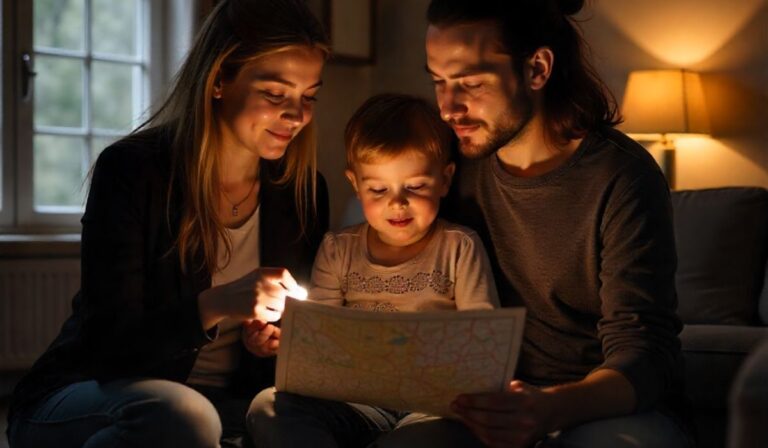
- Basic Supplies: Your basic emergency kit should include essential items, such as a flashlight, extra batteries, a first-aid kit, a whistle, a map of your area, and a list of emergency contacts. Have enough water and non-perishable food to last for several days. This will help you through the first hours of an emergency. This can provide essential resources until help arrives. This basic kit provides you with the basic needs.
- Personal Needs: Include any personal items such as medications, baby formula, or pet food in your kit. Be sure to have any items that your family members need. Consider the needs of anyone with special requirements. In addition to basic supplies, consider any special needs of your family members. This helps ensure that everyone in the family gets the care they need during an emergency. Tailor the kit to accommodate those needs.
- Important Documents: Keep important documents, such as insurance policies, medical records, and identification in a waterproof bag or container within your emergency kit. Having copies of these documents can speed up recovery. Keep them where you can find them easily. Important records are essential for post-emergency recovery. Copies of documents are extremely helpful if the originals are lost or damaged. This can help with rebuilding your life. Having these records available quickly is important.
Additional Safety Measures
Beyond your emergency kit, consider these additional safety measures.
- Fire Extinguishers: It is always good to have a fire extinguisher on hand. Knowing how to use an extinguisher can help put out small fires. Place the fire extinguisher in an easily accessible location and be sure that all family members know how to operate it safely. Fire extinguishers are useful to put out small fires, but not all fires. Make sure your family knows how to operate the extinguisher and when not to use it. Knowing what to do in case of fire is also very important.
- Fire-Resistant Materials: When furnishing your apartment, consider using fire-resistant materials, such as fire-resistant bedding and furniture. These materials can help slow the spread of a fire. Fire-resistant materials can slow the spread of a fire. These precautions can add an extra layer of protection. There are several things you can do to make your home more fire resistant.
- Building Emergency Procedures: Familiarize yourself with your building’s emergency procedures, including the location of fire exits, fire alarms, and fire-fighting equipment. Knowing these procedures can make it easier to respond during an emergency. Being familiar with your building’s fire safety features is just as important as having your own plan. Being prepared is half the battle. Your building’s fire safety measures can help you deal with the fire.
Here are some examples of what you might encounter:
- A smoke detector alerts you of a fire in your kitchen. Immediately evacuate your family using your primary escape route. Once outside, head to your designated meeting place.
- You’re alerted to a fire in another apartment on your floor. If the hallway outside your door is clear, shelter-in-place. Close all doors and windows and seal any cracks with tape. Call emergency services.
Consider the following:
| Risk Factor | Mitigation Strategy |
|---|---|
| Overloaded Electrical Outlets | Avoid overloading outlets. Use power strips with surge protection. |
| Unattended Cooking | Never leave cooking unattended. Have a fire extinguisher nearby. |
| Lack of Smoke Detectors | Install smoke detectors on every level of the apartment, inside each bedroom, and outside each sleeping area. |
| Missing Fire Escape Plan | Develop a fire escape plan and practice it regularly with your family. |
| Unmaintained Appliances | Regularly clean and maintain appliances. Replace old appliances when necessary. |
FAQ Of Apartment Safety In High-Rise Buildings
What do I do if my clothes catch fire?
Stop, drop to the ground, and roll to extinguish the flames.
How often should I test my smoke detectors?
Test your smoke detectors monthly by pressing the test button.
Should I use elevators during a fire?
Never use elevators during a fire; always use the stairs.
What’s the best thing to do when you smell smoke?
Immediately leave the building and call the fire department from a safe distance.
How do I know if I should shelter-in-place or evacuate?
Evacuate if the fire is in your unit or hallway. Shelter-in-place if the fire is elsewhere and the hallway outside your door is clear.
Final Thoughts
When it comes to apartment safety in high-rise buildings, preparation is paramount. By taking the time to create and practice evacuation plans, understanding fire hazards, and equipping your apartment with essential safety measures, you significantly increase your family’s chances of survival during an emergency.
From identifying escape routes to knowing when to shelter-in-place, every step you take builds a safer home environment.
Consider the knowledge you have gained, from knowing about fire safety measures to gathering essential supplies.
This knowledge empowers you to act decisively and confidently in the face of danger. Prioritize regular drills, update your plans as needed, and never underestimate the importance of proactive planning.
Your preparedness is the greatest defense against the unexpected. Stay vigilant, stay informed, and commit to making safety a constant priority for your family.

![Setting Up Smart Home Safety On a Budget for Families[1]](https://gigasecurehome.com/wp-content/uploads/2025/11/Setting_Up_Smart_Home_Safety_On_a_Budget_for_Families1-768x448.jpg)