How To Prepare Your Home For Emergencies When You Have A Baby Or Newborn
Key Takeaways
- Learn how to assemble a comprehensive emergency kit tailored for infants and newborns.
- Discover the importance of developing a family communication plan and practicing it regularly.
- Understand the specific risks and hazards to consider when assessing your home’s safety.
- Explore essential strategies for providing basic care, including first aid, for your baby during an emergency.
- Gain insights into creating a safe space for your baby in various emergency scenarios.
- Acquire knowledge about community resources and support systems available to assist families in need.
It’s the middle of the night, your little one is finally asleep, and suddenly the lights flicker and die.
Or perhaps a severe storm is brewing, and you’re thinking about the safety of your family. Now, imagine you have a baby or a newborn.
Preparing for unforeseen situations becomes even more critical. Getting your home ready for emergencies with a baby isn’t just about stockpiling supplies; it’s about creating a safe and secure environment.
This guide will provide you with essential tips and resources to make sure you’re well-equipped to handle any emergency that comes your way.
You’ll gain practical knowledge to protect your baby and family, improve your peace of mind, and create a plan that fits your family’s unique needs. This will help you feel confident in any situation.
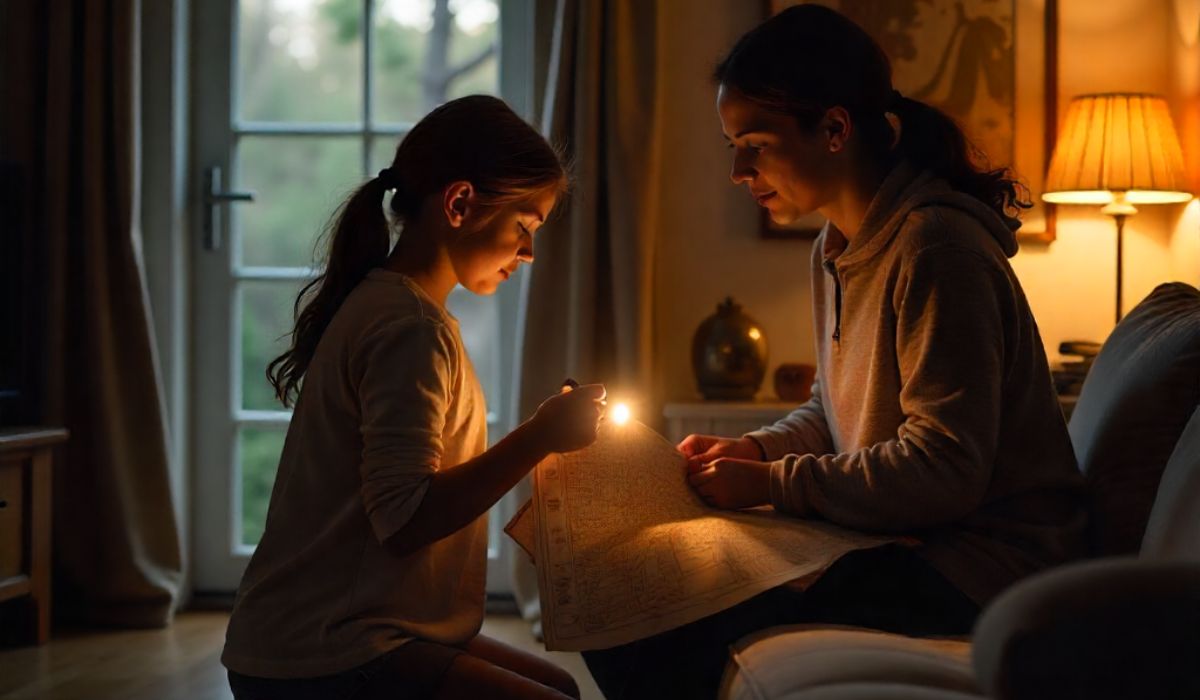
Assessing Your Home’s Safety
The first step in preparing your home for emergencies with a baby or newborn is evaluating its existing safety features.
This involves a thorough examination of potential hazards and vulnerabilities within your living space.
Consider all aspects of your home, from the structural integrity to the location of safety equipment. Identifying areas that need improvement is the foundation for creating a safe haven for your baby during any crisis.
It’s not just about addressing immediate threats; it’s about establishing a proactive approach to safety.
Identifying Potential Hazards
Walk through your home, room by room, with a critical eye, as if seeing it for the first time. Look for potential hazards that could pose a threat to your baby.
Hazards can range from obvious ones to those that are less apparent. Assess the home for any structural concerns such as cracks in the walls or ceiling, which might be exacerbated by an earthquake or severe weather.
Ensure that all electrical outlets have safety covers to prevent accidental shocks. Check for loose or frayed wires that could cause fires, and be sure that all furniture is securely anchored to prevent tipping.
Address potential dangers proactively. This careful review gives you the information needed to strengthen your home’s safety.
- Fire Hazards: Ensure smoke detectors and carbon monoxide alarms are installed on every level of your home and in each bedroom. Check them monthly and replace batteries annually. Keep fire extinguishers readily accessible and know how to use them. According to the National Fire Protection Association (NFPA), approximately 3,600 house fires start from electrical malfunctions annually. This statistic underscores the importance of regularly inspecting electrical systems and having working smoke detectors. A proactive approach to fire safety can significantly reduce the risk of injury or death.
- Structural Vulnerabilities: Inspect your home for potential structural weaknesses, such as cracks in walls or ceilings. Secure heavy furniture and appliances to prevent tipping. During an earthquake, unsecured furniture can be extremely dangerous. The Federal Emergency Management Agency (FEMA) recommends securing large items like bookshelves and televisions to prevent injuries.
- Environmental Risks: Be aware of potential environmental hazards, such as lead paint in older homes or mold growth in damp areas. Keep your home well-ventilated to reduce exposure to allergens and pollutants. Lead paint is a hazard often found in homes built before 1978. The Centers for Disease Control and Prevention (CDC) estimates that millions of children are exposed to lead each year, which can cause serious health problems. The home environment plays a key role in the health and well-being of the newborn.
Securing Your Home
Once you’ve identified the potential hazards, the next step is to secure your home. This involves taking corrective actions to mitigate the risks.
This might involve repairs, modifications, and the implementation of safety measures. Securing your home means not only fixing existing problems but also implementing steps to prevent future problems.
The goal is to build a safe environment that can withstand unexpected events and protect your family.
- Anchoring Furniture and Appliances: Use straps and anchors to secure tall furniture, such as bookshelves and dressers, to the walls. Make sure that large appliances, like refrigerators and water heaters, are properly installed and secured. Securing furniture can prevent serious injuries during earthquakes or if a child attempts to climb. According to the U.S. Consumer Product Safety Commission (CPSC), thousands of injuries each year are attributed to furniture tip-overs.
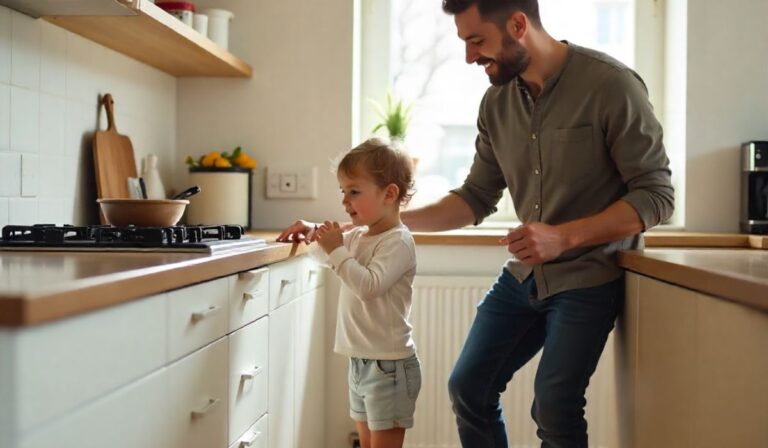
- Childproofing Your Home: Install safety gates at the top and bottom of stairs, and install cabinet and drawer locks to prevent a baby from accessing potentially dangerous items. Childproofing is a key element of safety. Child-resistant cabinet locks can prevent the ingestion of toxic materials. Safety gates at stairs can prevent falls.
- Securing Windows and Doors: Make sure that windows and doors are secure. Install window guards or stops to prevent falls. Consider security doors to deter intruders. Secure windows and doors to prevent intrusions and provide added protection during severe weather events. Window guards can be crucial in preventing falls, especially with a curious toddler.
Building Your Emergency Kit
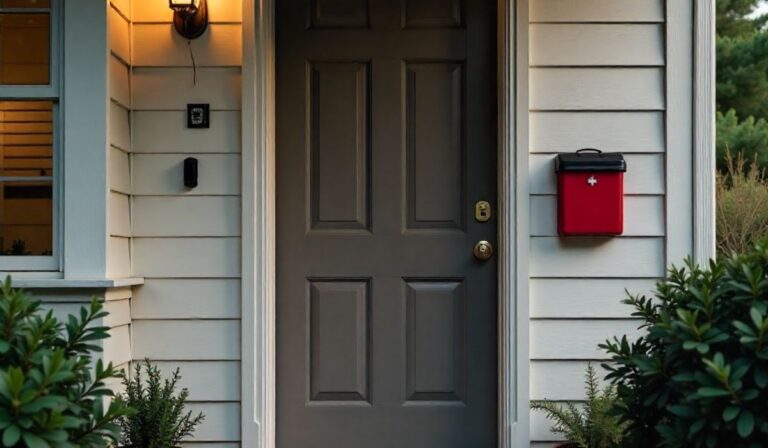
A well-prepared emergency kit is essential when you have a baby or newborn. Your kit should be customized to meet the specific needs of infants, including food, water, and medical supplies.
A comprehensive kit ensures that you can provide for your baby's needs during a power outage, natural disaster, or any other emergency. It’s also important to replenish the kit regularly.
Essential Supplies for Baby
When assembling your emergency kit, specific items tailored to your baby’s needs are a must. These are more than the basics; they are crucial supplies that will ensure your baby’s health and comfort in a crisis.
Think about what your baby uses every day. Consider items to keep them warm, clean, and nourished.
These considerations are vital to the safety and well-being of the baby. The following list offers a solid start:
- Food and Water: Include a sufficient supply of formula or breast milk, bottles, and a manual or battery-operated breast pump if you are breastfeeding. Have several days of clean drinking water in sealed containers. The American Academy of Pediatrics (AAP) recommends having at least a three-day supply of formula or breast milk in an emergency kit. Water is equally critical for formula preparation and general hydration.
- Diapering Supplies: Pack diapers, wipes, diaper rash cream, and disposable diaper bags. Consider having a portable changing pad for convenience. Keeping a supply of diapers and wipes is essential for hygiene and comfort. Plan for about 10 diapers per day, and more if possible, depending on the baby’s age. These supplies are important to reduce the risk of infections.
- Clothing and Bedding: Pack extra clothes, including onesies, sleepers, socks, and hats, sized for the baby’s current age. Include a receiving blanket and a warm blanket for comfort and warmth. Babies can get cold quickly in an emergency, so having extra layers of clothing is important. Pack clothing appropriate for both warm and cold weather, especially if you live in an area with temperature extremes.
Medical and First Aid Supplies
Besides food and clothing, medical supplies are also a necessary component. Emergencies can lead to injuries or illnesses.
Having the right supplies can make a significant difference. Your medical supplies should include medications, first-aid items, and tools to help you manage your baby’s health.
Know what is needed for the baby. This proactive preparation can give you confidence in a stressful situation.
- Medications: Keep a supply of any prescribed medications your baby takes. Include a basic first-aid kit with items such as bandages, antiseptic wipes, and pain relievers appropriate for infants. Make sure you have any necessary prescription medications. According to the CDC, approximately 1 in 5 children in the United States have a chronic health condition. This means having the right medications is essential.
- Medical Devices: If your baby uses any medical devices, such as a nebulizer or suction bulb, ensure you have extra supplies and batteries. Medical devices are very important for babies. Make sure you have the required power sources. This preparation provides life-saving medical care.
- Baby Thermometer and Other Essentials: Include a reliable baby thermometer, saline drops for congestion, and any other items recommended by your pediatrician. A thermometer and other items allow for early detection and treatment of conditions. These items offer a way to keep track of a baby’s health status.
Developing a Family Communication Plan
A family communication plan is key to keeping everyone safe and informed during an emergency. It offers clear communication guidelines.
It gives you a way to stay in contact, coordinate efforts, and know where family members are. Planning creates a support network that reduces stress and increases the chance of a successful outcome.
Establishing Contacts and Meeting Points
The first steps involve establishing contact information and choosing meeting points. This ensures that family members can communicate and stay in touch when separated.
These preparations are not about reacting after a crisis starts. It’s about planning ahead. The following steps will get you started:
- Identify Out-of-Area Contacts: Choose a person who lives outside your immediate area as a primary point of contact. This person can act as a central hub if local communication systems are disrupted. Out-of-area contacts are important. If local communication systems are down, it may be possible to communicate with people in other locations. This is an important part of the communication strategy.
- Choose Meeting Points: Decide on at least two meeting points: one close to your home and one outside your neighborhood. These points are vital if you must evacuate or are separated from family members. Choose locations that are easy to remember. Having multiple meeting points is essential, especially in the event that your primary meeting point is inaccessible.
- Share Information: Make sure all family members, including children, know the contact information for out-of-area contacts and the locations of the meeting points. Share this information with caregivers as well. Everyone should know who to contact and where to go. Sharing information gives people confidence in the communication strategy. It is also important to share this with trusted people like babysitters.
Practicing and Updating the Plan
Once you have a plan, it is crucial to practice it. Then, update it regularly to make sure that it remains effective.
This will ensure that all family members know how to respond and what to do. Consistent practice will build confidence and make your plan second nature. This increases your chances of a successful outcome.
- Conduct Drills: Practice your communication plan at least twice a year. Simulate different emergency scenarios, such as a power outage or a natural disaster, to test your family’s response. Regular drills are crucial. Practicing makes it easier for family members to stay calm and follow the plan during an actual emergency.
- Review and Update Information: At least once a year, or after any significant life changes, review and update your plan. This includes updating contact information, emergency contacts, and meeting points. Things change, so it’s a good idea to review the plan. A yearly checkup can make sure that your plan still meets your family’s needs. Updating ensures the plan’s continued usefulness.
- Involve Children: Educate your children about the plan and their role in an emergency. Involve them in practice drills to help them learn and feel more comfortable. Involving children helps them to feel in control and reduces anxiety during a crisis. Teach them what to do and how to get help. This will reduce stress and worry.
Emergency First Aid and Basic Care for Babies
Knowing how to provide first aid and basic care for a baby during an emergency is an important skill. Emergencies can happen at any time.
Being prepared can make a big difference. This section offers fundamental information on first aid, how to treat injuries, and how to stay healthy during a crisis. Training and preparation are important.
Basic First Aid Techniques
Basic first aid skills, such as how to treat cuts and bruises, are essential for parents. Accidents can happen, so being ready to help can prevent minor injuries from becoming serious.
Knowing how to react in a crisis can give you confidence. It can also minimize the impact of the problem.
- CPR and Choking Procedures: Learn infant CPR and how to handle a choking situation. The Red Cross and other organizations offer training. Be aware of the signs of distress. CPR training is very important. Infant CPR is different from adult CPR, so it’s important to learn the right techniques. Take a class, and practice the skills regularly.
- Treating Minor Injuries: Learn how to clean and dress minor cuts, scrapes, and burns. Know how to recognize the signs of infection and when to seek medical attention. Knowing how to handle minor injuries can prevent them from getting worse. Always watch for signs of infection, such as redness, swelling, or pus.
- Managing Fever and Illness: Know how to take a baby’s temperature and when to contact a doctor. Be familiar with the signs of common illnesses, such as colds, flu, and ear infections. A baby’s health can change quickly. Understand how to monitor your baby’s health and when to get medical care. When it comes to babies, knowledge is important.
Providing Care in Different Scenarios
During an emergency, providing care can be difficult. It might be challenging to maintain hygiene, provide nutritious food, and keep a baby comfortable.
Having a plan for dealing with these challenges will make a big difference. This section offers recommendations for various situations. It will help you provide proper care during a crisis.
- Power Outage: Keep the baby warm, using extra blankets. Use battery-powered or hand-cranked flashlights for lighting. Have a plan for formula preparation if needed. Power outages can be a problem. Make sure to keep your baby warm. Using flashlights or lanterns is helpful. Have a backup plan to prepare formula.
- Natural Disaster: If you need to evacuate, pack the emergency kit and the baby’s essential items. Follow the evacuation route. Have a safe place ready, whether it’s a shelter or a relative’s house. Evacuations can be chaotic, so it is important to be prepared. Make sure that you have the essential items, and follow the safety guidelines. Staying calm will help.
- Shelter-in-Place: If you need to shelter in place, move to an interior room. Close and seal doors and windows to keep out potential contaminants. Use a battery-powered radio or a NOAA weather radio to get updates. If you cannot leave your home, find a safe space inside. Seal doors and windows to keep out hazardous elements. Have a radio or weather radio. Stay informed and follow instructions.
Creating a Safe Space for Your Baby
Creating a safe space is an essential part of preparing for an emergency with a baby or newborn. It goes beyond the basic safety precautions.
It is about creating a secure and comfortable environment where the baby can feel safe and protected during a crisis.
A safe space is about making sure that the baby is safe from immediate dangers. It also involves providing a space where your baby can rest and sleep peacefully.
Setting Up a Safe Zone
Setting up a safe zone can enhance the safety and well-being of the baby. It offers a secure and comfortable location during a crisis.
It will reduce the baby’s exposure to danger. This safe zone can provide peace of mind in a difficult situation. Taking these steps is essential.
- Choose a Location: Select a location inside your home that is away from windows and exterior walls, such as an interior room or a hallway. The location should be easy to access. An interior room offers better protection. A location away from windows and exterior walls can provide more safety from hazards. Make sure the area is easy to reach.
- Prepare the Space: Clear the area of any potential hazards. Place blankets, pillows, and soft bedding to make the space comfortable. Remove any items that could cause injury, and soften the space with blankets. It should be both secure and comfortable. The baby can feel protected.
- Stock Essential Supplies: Keep a supply of diapers, wipes, formula or breast milk, and any necessary medications within easy reach. Include toys and books to keep the baby entertained. Having essentials nearby makes it easier to care for the baby. Make sure all necessary supplies are immediately available, and also include toys. This allows you to care for the baby with less stress.
Adapting to Different Emergency Situations
The safe space may need adjustment to meet the requirements of specific emergencies. You may need to adapt your strategy to the situation. Consider specific risks and adjust the safe space for different conditions.
Flexibility and awareness are important for providing a safe and supportive environment for the baby.
- During a Power Outage: Use battery-powered lanterns or flashlights to illuminate the space. Keep the baby warm with extra blankets and clothing. During a power outage, lighting and warmth are important. Flashlights or lanterns can provide light. Extra blankets are helpful for keeping the baby warm.
- During a Natural Disaster: If you must evacuate, pack the essential supplies and create a portable safe space, such as a car seat or a carrier. If you must evacuate, have supplies available. A car seat or carrier offers a safe space. Being prepared is important.
- During a Shelter-in-Place: Close and seal windows and doors to keep out any harmful elements. Use a portable air purifier, if you have one, to purify the air. If you have to shelter in place, seal doors and windows. Air purifiers help to improve air quality. Make the space as safe as possible.
Community Resources and Support
Recognizing and utilizing community resources is a smart way to prepare for emergencies with a baby or newborn.
Local and federal programs provide assistance, support, and information. Knowing what resources are available and how to access them can make a big difference in a crisis. You are not alone, and there is help available.
Local and National Assistance Programs
Numerous programs are designed to assist families in need during an emergency. These resources provide services to help families.
Knowing about these programs and how they can support you will help you feel more secure in any situation.
- Emergency Services: Understand how to contact local emergency services, such as 911. Know the location of your nearest fire station and hospital. Know how to reach emergency services quickly. Keep the phone numbers and addresses available. Planning ahead can save time during an emergency.
- Government Assistance: Research government programs such as FEMA and the American Red Cross, which provide disaster relief and assistance. FEMA and the Red Cross offer important support. Review the programs. Understanding these resources will help you access support.
- Local Community Services: Find out about your local community services. These may include food banks, shelters, and support groups for new parents. Local community services can provide important support. These services offer resources to help you in times of need. Understanding their offerings is helpful.
Support Groups and Information
Support groups and information resources can offer guidance and assistance to new parents. Support groups provide an opportunity to share experiences, learn from others, and get emotional support.
Information resources can offer practical information about various emergency preparedness and parenting topics.
- Parenting Groups: Find local parenting groups where you can share information. These groups are valuable for getting support and advice from other parents. Parenting groups provide a place to learn and gain support from others. Sharing experiences can make you feel less alone, and improve your preparedness.
- Online Resources: Make use of online resources. You can gather information on emergency preparedness and parenting. This can help you learn essential information. Many online resources offer information. These sites provide a wealth of information about emergency preparedness. Learning and planning is very helpful.
- Training Courses: Enroll in training courses. CPR and first aid courses are especially helpful. Being prepared can make a huge difference in an emergency. Training courses offer important information and skills. They provide information and practical guidance. Planning ahead can help you feel ready.
FAQ Of How To Prepare Your Home For Emergencies When You Have A Baby Or Newborn
What is the most important item to include in my baby’s emergency kit?
The most important item is a sufficient supply of formula or breast milk, bottles, and clean drinking water for preparing formula. Food and water are critical for a baby’s survival.
How often should I practice my family’s emergency plan?
It’s recommended to practice your family’s emergency plan at least twice a year and to review and update it after any significant changes, such as moving or adding a new caregiver.
What should I do if my baby gets sick during an emergency?
Monitor your baby’s symptoms closely and follow the care instructions provided by your pediatrician. If symptoms worsen, contact a medical professional, and seek emergency care if necessary.
Where should I store my baby’s emergency kit?
Store your baby’s emergency kit in an easily accessible location. Keep it in a place that is convenient and known to all family members, such as a closet, a designated storage container, or near an exit.
How can I keep my baby safe during a power outage?
Keep your baby warm, use battery-powered flashlights or lanterns for lighting, and have a plan for formula preparation if needed. Ensure the baby is within sight at all times.
Final Thoughts
Preparing your home for emergencies when you have a baby or newborn may seem overwhelming at first.
However, by breaking it down into manageable steps, you can create a safe, secure, and stress-free environment for your family.
Assess your home for potential hazards and vulnerabilities, and implement the necessary safety measures to create a secure space.
Assemble a comprehensive emergency kit with essential supplies tailored to the baby’s needs, including food, water, medical supplies, and comfortable clothing.
Develop a family communication plan and practice it regularly. Learn basic first aid techniques and how to provide care for your baby in various emergency situations.
Set up a safe space within your home where the baby can feel safe and protected during a crisis. Familiarize yourself with community resources and support systems available to assist families in need.
Start with small steps, and be patient with the process. The peace of mind that comes from knowing you’re prepared is invaluable, allowing you to focus on what matters most: your baby’s well-being. Take action today, and know that you are taking positive steps to protect your family.