Home Safety Checklist For New Parents Bringing Baby Home For The First Time
Key Takeaways
- Learn how to identify and eliminate potential hazards in every room of your house.
- Discover practical tips for creating a safe sleep environment to reduce the risk of SIDS.
- Understand the importance of childproofing furniture and securing potential hazards.
- Gain knowledge about creating a safe and secure outdoor space for your baby.
- Find out how to prepare for emergencies, including first aid and poison control information.
- Get valuable advice on how to stay organized and manage your home’s safety over time.
Remember that feeling? The overwhelming joy mixed with a healthy dose of “what now?” when you first bring your newborn home.
Suddenly, your world shrinks to a tiny bundle of joy, and every detail of your home becomes critical.
You start to see potential dangers everywhere! Preparing your home for a new baby can seem like a huge task, but with a good plan, you can create a safe and nurturing environment for your little one.
This guide will provide you with a comprehensive home safety checklist for new parents, giving you peace of mind and the tools to protect your precious cargo. This is about ensuring your baby’s wellbeing and helping you feel confident in your role as a parent.
Preparing Your Home: The Foundation of a Safe Environment
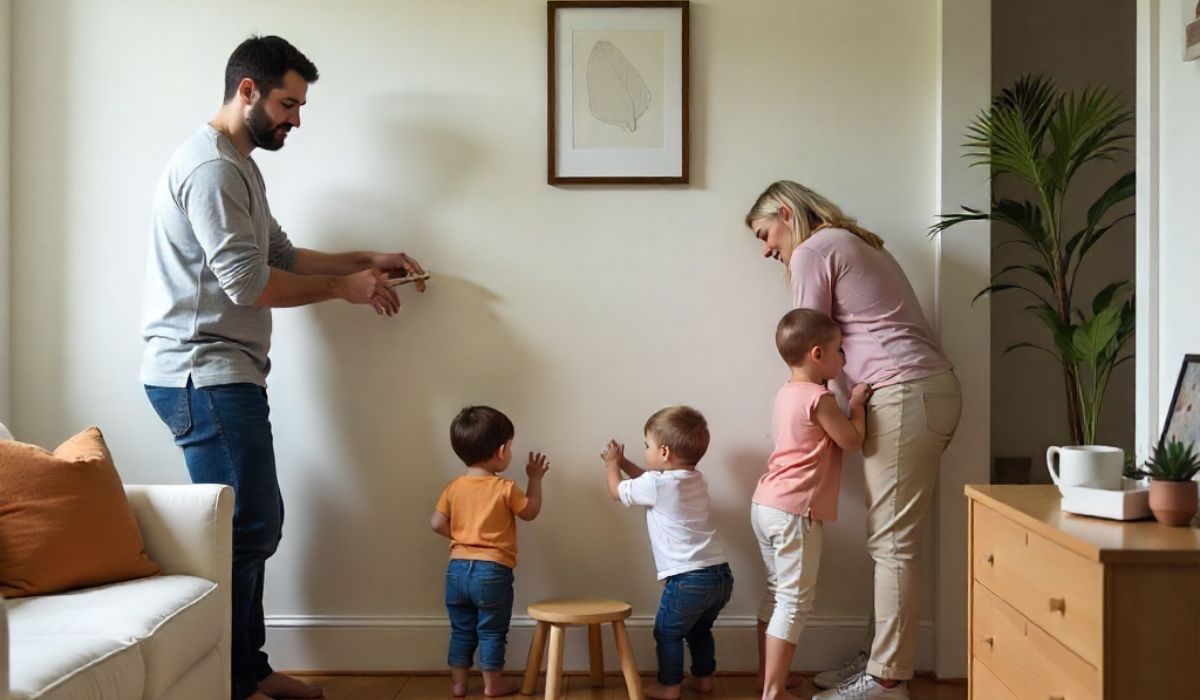
Before your baby arrives, the first step is to assess your home’s safety. This means looking at everything from electrical outlets to window coverings.
It’s a bit like a detective game, searching for potential dangers that might be missed in everyday life.
Think about where your baby will spend the most time – the nursery, the living room, even your kitchen. Each area needs careful consideration.
This isn’t just about preventing accidents; it’s about creating a safe space where your baby can explore and develop without encountering unnecessary risks.
This initial assessment and preparation phase is a cornerstone of your home safety checklist for new parents.
Safety Assessment: Room by Room
A room-by-room inspection is vital. Start with a walk-through, imagining yourself as a curious, mobile infant.
Crawl around, look at things from floor level, and identify anything that could be a hazard. Note anything within reach that could be pulled down, climbed on, or swallowed.
Pay special attention to areas with furniture, electrical outlets, and windows. This inspection helps you see your home from your baby’s perspective, allowing you to proactively childproof and create a secure environment. Taking the time for a detailed assessment will pay off in the long run.
- The Nursery: Your baby’s room should be a haven of safety. The crib should meet safety standards, with no gaps where a baby could get trapped. Keep the crib free of blankets, pillows, and stuffed animals to reduce the risk of SIDS. The changing table should have secure sides and a changing pad. Consider a sound machine and a nightlight. Make sure to secure any furniture like dressers that could tip over. This room is the heart of your baby’s early life. Ensuring its safety reduces risks of injury and ensures a restful sleep environment. The nursery should be a place of tranquility. By taking extra time for security, parents can create a haven for their baby to grow and sleep peacefully.
- Living Room/Family Room: This is often where families spend time together. Secure any TVs, bookshelves, and other furniture to the walls to prevent tip-overs. Cover electrical outlets with safety plugs. Keep small items like batteries and remote controls out of reach. Remove or secure cords from window blinds and curtains. The living room is a common area in your home, and with a baby, it requires constant surveillance. Regularly assess it for potential dangers. By securing loose items and creating a safe play area, you’ll promote a protected environment for your little one.
- Kitchen: The kitchen holds many potential dangers, from sharp knives to hot stoves. Install safety latches on cabinets and drawers to prevent your baby from accessing cleaning products, medications, or sharp objects. Keep hot items, like pots and pans on the stove, out of reach. Store food items safely. The kitchen presents a unique set of challenges regarding safety. Prevention through latches, securing loose items, and keeping hazards at a distance is key. This proactive effort ensures your baby is safeguarded from kitchen-related risks.
- Bathroom: Bathrooms are full of dangers, especially water and cleaning products. Install a toilet seat lock and keep all medications locked up. Always supervise your baby during bath time. Consider a non-slip bath mat to prevent falls. Water and products in the bathroom require extra precautions to keep your baby safe. By locking cabinets and always supervising during bath time, you significantly reduce the chance of accidents.
- Bedrooms (Other Than Nursery): Ensure that all other bedrooms in your home are baby-proofed as necessary. Remove choking hazards like small toys, jewelry, and loose items from the floor. Use safety gates at the doorway if the baby will be exploring other rooms. Babies can move quickly. Ensuring safety in all areas helps to maintain a secure environment across the home. This will give you peace of mind to focus on your baby.
Childproofing Essentials: Tools of the Trade
Once you’ve identified potential hazards, it’s time to start childproofing. This involves purchasing and installing various safety items to minimize risks.
Prioritize items based on immediate needs and areas where your baby will spend the most time. Childproofing is an ongoing process, so periodically reassess your needs.
This effort will significantly increase your home safety and add layers of protection for your child.
- Outlet Covers and Protectors: These are crucial for preventing electrical shocks. Choose covers that fit snugly and are difficult for a baby to remove. There are different types available, including outlet plugs and sliding covers. Electrical safety is essential. Using high-quality outlet covers ensures safety without compromising the convenience of power outlets. They are an easy-to-install, impactful preventive measure.
- Safety Gates: These are essential for doorways, stairs, and other areas you want to restrict access to. Select gates that meet safety standards and fit securely. Consider different types, such as pressure-mounted or hardware-mounted gates, depending on the location and your needs. Safety gates offer physical barriers to high-risk areas. Select gates that are appropriate for the area you are securing and install them according to the manufacturer’s instructions. They provide a safe space.
- Cabinet and Drawer Latches: These prevent access to potentially dangerous items. Choose latches that are easy for adults to use but difficult for babies to open. Consider magnetic locks for cabinets that hold medications or cleaning supplies. Latches play a vital role in preventing access to dangerous items. Prioritize the safety of items your child can’t reach, and use latches. This enhances your child’s well-being.
- Furniture Anchors: These are critical for preventing tip-over accidents. Anchor TVs, dressers, bookshelves, and other tall furniture to the wall. This is particularly important with young children who may try to climb on furniture. Securing furniture is a proactive step in preventing injury. Always anchor any tall furniture. This simple act can prevent serious injuries and offer peace of mind, especially with a growing and active baby.
- Corner and Edge Guards: These prevent injuries from sharp edges on tables, counters, and other furniture. They’re often made of soft materials to cushion any potential bumps. Corner and edge guards are essential in preventing injuries from sharp objects. Installing them throughout the home ensures a protected environment for your exploring baby. This is an inexpensive way to mitigate risk.
Safe Sleep and Baby’s Sleep Environment
Creating a safe sleep environment is one of the most important aspects of your home safety checklist for new parents bringing baby home for the first time.
Following safe sleep guidelines can significantly reduce the risk of Sudden Infant Death Syndrome (SIDS) and other sleep-related infant deaths.
Make sure you familiarize yourself with the latest recommendations from organizations such as the American Academy of Pediatrics (AAP). Prioritizing safe sleep is a way to protect your baby.
Safe Sleep Practices: Key Guidelines
Following safe sleep practices can greatly reduce risks associated with sleep. This includes ensuring your baby sleeps on a firm, flat surface and is placed on their back.
Avoid soft bedding and other items. Prioritizing safe sleep is an action you can take to make sure your baby is protected. The basics must be understood by all parents.
- Back to Sleep: Always place your baby on their back to sleep, every time, for every sleep. This is the single most important action to reduce the risk of SIDS. Continue placing your baby on their back until they are one year old. Back sleeping is recommended by pediatricians to reduce the risk of SIDS. By ensuring your baby sleeps on their back, you take a fundamental step in promoting a safe sleep environment. This practice helps to create a secure sleep surface.
- Firm, Flat Surface: Your baby should sleep on a firm, flat surface in a crib, bassinet, or portable crib that meets safety standards. Avoid soft bedding, such as pillows, blankets, and crib bumpers. A firm, flat surface offers optimal safety. By ensuring that your baby sleeps on a secure surface, you reduce the risk of suffocation. Choose a firm crib mattress and a fitted sheet. This provides a supportive base.
- No Loose Objects: Keep the crib free of blankets, pillows, stuffed animals, and other soft items. These can pose a suffocation hazard. The crib should only contain a fitted sheet and the baby. Removing loose objects creates a safe sleeping space. Keep the crib free of potential hazards such as blankets, pillows, and stuffed animals. This action lowers the risk of suffocation and promotes a safe place for your baby.
- Room-Sharing, Not Bed-Sharing: The AAP recommends that babies sleep in the same room as their parents, but not in the same bed, for the first six months. This makes it easier to monitor the baby and reduces the risk of SIDS. Room-sharing, without bed-sharing, allows you to monitor your baby. This reduces SIDS risk and offers quick responses to any needs. Ensure your baby sleeps in a safe space.
- Temperature and Ventilation: Ensure the room is well-ventilated and keep the temperature comfortable. Overheating can increase the risk of SIDS. Dress your baby in light clothing. A comfortable temperature and good ventilation are key aspects of a safe sleep environment. Maintain a consistent and comfortable temperature to minimize risk, and dress your baby appropriately. This will promote healthy sleep.
Choosing Safe Sleep Products
The marketplace offers many products designed to enhance baby sleep. Choose products carefully, and always prioritize safety over aesthetics or convenience.
This is vital for any parent, so take the time to learn and become informed. The choices will impact your baby’s sleep and overall safety.
- Cribs, Bassinets, and Portable Cribs: Ensure that any crib, bassinet, or portable crib you use meets current safety standards. Check for recalls. Verify that your equipment meets safety standards. Ensure the crib you are using meets safety standards. Regularly check for any recalls. This provides a secure sleeping space.
- Mattresses and Fitted Sheets: Use a firm, flat mattress that fits snugly in the crib. The fitted sheet should be tight-fitting and made of breathable material. A firm mattress is key to reducing risks. By selecting a firm mattress, you offer the safety and support that reduces potential hazards. Ensure a fitted sheet.
- Sleep Sacks and Swaddles: Consider using a sleep sack or swaddle instead of blankets. Sleep sacks provide warmth and eliminate the risk of loose blankets. Follow safe swaddling techniques. Sleep sacks and swaddles are excellent options to keep your baby safe and warm. If you choose to swaddle, use the proper techniques. This ensures your baby will remain comfortable.
- Avoid Soft Bedding: Do not use pillows, blankets, quilts, or stuffed animals in the crib until the baby is at least one year old. These items can pose a suffocation hazard. Soft bedding is a significant risk. Remove items such as pillows, blankets, and stuffed animals from the crib. This simple action significantly reduces the risk of accidents.
- Pacifiers: Offering a pacifier at naptime and bedtime can reduce the risk of SIDS. If the baby is breastfeeding, wait until breastfeeding is well-established before introducing a pacifier. A pacifier can have a positive effect in a safe sleep environment. If using a pacifier, introduce it appropriately. Make sure your baby sleeps safely and comfortably.
Emergency Preparedness: Being Ready for Anything
Even with careful preparation, accidents can happen. Being prepared for emergencies can make all the difference. Knowing how to respond quickly and effectively will give you confidence.
This critical aspect of the home safety checklist for new parents bringing baby home for the first time can save lives. By putting a plan in place, you can be ready for anything.
First Aid and CPR Training
Taking a first aid and CPR course designed for infants and children is one of the best ways to prepare for emergencies.
These courses will teach you how to respond to a variety of situations. Taking these courses will help you to act quickly. This training is something all parents should consider.
- Infant CPR: Learn how to perform CPR on an infant. This includes recognizing the signs of cardiac arrest and knowing how to administer chest compressions and rescue breaths. Practice on a manikin. Infant CPR is an essential skill. Learning CPR gives you the skills needed to save your child’s life in a situation where every second counts. Practice with your pediatrician.
- Choking Response: Learn how to recognize and respond to choking in infants. Practice the Heimlich maneuver for infants and how to assist an infant who is choking. Knowing how to respond to choking could save your baby’s life. Learn and practice the Heimlich maneuver for infants, so you can respond. Stay up-to-date with your training.
- First Aid Basics: Learn how to treat minor injuries and illnesses, such as cuts, scrapes, burns, and fevers. Understand when to seek medical attention. First aid training provides basic skills. Know how to treat minor injuries and when medical attention is needed. Being prepared is a way to handle many situations.
- Emergency Contact Information: Keep a list of emergency contact numbers readily accessible, including your pediatrician, local emergency services (911), and poison control. Emergency contact information is essential. Having this information available lets you quickly seek help. Keep this information visible.
- Regular Review: Update your training regularly and review your emergency plan. Refresh your knowledge and skills by taking refresher courses every one or two years. Keep your skills current by reviewing your training. It is important to stay prepared. Stay calm and respond effectively in emergencies.
Creating an Emergency Kit
An emergency kit is an essential item for every household. Prepare a kit with items you might need in case of an accident or other emergency.
This will allow you to quickly and effectively respond. Having everything in one place can prevent stressful situations. Your emergency kit can greatly help to ensure that you are prepared for almost anything.
- First Aid Supplies: Include a well-stocked first-aid kit with bandages, antiseptic wipes, antibiotic ointment, gauze pads, tape, and a thermometer. A comprehensive first aid kit is essential. Stock your kit with bandages, antiseptic wipes, antibiotic ointment, gauze pads, tape, and a thermometer. Make sure that you are equipped.
- Medications: Keep essential medications, such as pain relievers and fever reducers, on hand. Always check with your pediatrician before administering any medications to your baby. Essential medications should be readily available. Consult with your pediatrician for advice on appropriate medications. Read all product labels.
- Emergency Contact Information: Include a list of emergency contacts, including your pediatrician, local emergency services, and poison control. Keep a readily accessible list of emergency contacts. It includes numbers for your pediatrician, emergency services, and poison control. This allows you to quickly seek help.
- Food and Water: Stock a supply of formula or breast milk (if applicable), bottled water, and any other necessary baby food or snacks. Food and water are critical during emergencies. Keep formula or breast milk, water, and baby food on hand. This will sustain your baby during an emergency.
- Comfort Items: Pack comfort items, such as extra diapers, wipes, a change of clothes, a favorite toy, and a blanket. These can help to soothe your baby in a stressful situation. Include comfort items to help reduce stress in an emergency. Extra diapers, wipes, clothing, favorite toys, and blankets will create a sense of security and familiarity for your baby.
Ongoing Safety: Maintaining a Safe Home Over Time
Creating a safe home is not a one-time task; it’s an ongoing process. As your baby grows and develops, their needs and abilities change.
Therefore, it’s essential to continually assess and adapt your home safety measures. By staying vigilant, you can make sure your baby is protected. Continuing to evaluate the home is important to keep your baby safe.
Regular Inspections and Updates
Regular inspections and updates are crucial for maintaining a safe home. Your baby’s rapid development requires you to keep pace with changing needs.
By setting up a maintenance schedule, you can protect them. These regular reviews will help to prevent accidents.
- Annual Deep Clean: Perform a thorough annual inspection and deep clean of your home. Check for any potential hazards that may have developed over time. Perform an annual deep clean to check for potential hazards. Check for developing dangers and maintain a safe environment. This can help prevent accidents.
- Regular Furniture Inspection: Inspect furniture and other items for damage or wear and tear. Repair or replace any items that pose a risk, such as loose screws or broken parts. Regularly inspect furniture. Replace any worn or damaged items. This will remove possible risks. Pay attention to safety.
- Seasonal Safety Checks: Consider seasonal changes in your home. Adjust safety measures accordingly. Ensure that smoke detectors and carbon monoxide detectors are functioning correctly. Keep your home up-to-date with seasonal changes. Test smoke and carbon monoxide detectors, and adjust safety measures. This will ensure your baby’s ongoing safety.
- Childproofing Refresher: Re-evaluate your childproofing measures every few months. As your baby grows and develops new skills, they may be able to reach or access areas they couldn’t before. Evaluate your home every few months. This will help you identify hazards related to your baby’s growing abilities. Adjust as needed to maintain safety.
- Education and Awareness: Stay updated on child safety recommendations and recalls by organizations such as the Consumer Product Safety Commission (CPSC) and the American Academy of Pediatrics (AAP). Be aware of any safety recommendations or recalls. Stay informed. This knowledge will assist you to maintain your home’s safety.
Adapting to Developmental Milestones
As your baby grows, their abilities will change. You must adjust your home safety to account for these changes.
By observing your baby’s growing skills, you can anticipate and mitigate potential hazards. Adapt your home safety checklist for new parents bringing baby home for the first time to suit each stage.
- Rolling: When your baby starts to roll, be extra cautious about placing them on elevated surfaces like changing tables. Keep one hand on your baby at all times. Rolling is one of the early milestones. Be aware of placing your baby on elevated surfaces. Place your hand on them at all times.
- Crawling: Once your baby starts to crawl, they will be able to explore more of their environment. Ensure that all electrical outlets are covered and that cords are out of reach. Secure furniture and use safety gates. Crawling babies can access more of the home. Keep electrical outlets covered. Make sure all cords are out of reach. Use safety gates.
- Pulling Up/Standing: Babies who are able to pull themselves up can reach items on surfaces that were previously inaccessible. Secure unstable furniture to prevent tip-overs. Pulling up and standing increases access. Secure furniture to avoid tip-overs. Remove any dangerous items.
- Walking: As your baby walks, they will be able to explore even further. Keep the floor clear of tripping hazards. Supervise their activities and childproof more completely. Walking increases exploration. Keep floors clear. Supervise, and make sure that you childproof areas. This is essential for safety.
- Climbing: Climbing babies need extra supervision and protection. Avoid placing furniture under windows or near shelves. Teach your baby about boundaries. Climbing requires added safety. Keep furniture away from windows. Show your baby how to recognize boundaries. This will minimize risks.
FAQ Of Home Safety Checklist For New Parents Bringing Baby Home For The First Time
Question: What is the most important thing to do when childproofing my home?
Answer: The most important thing is to identify potential hazards by crawling around your home at your baby’s level and imagining what they can reach and potentially get into.
Question: At what age should I start childproofing my home?
Answer: It’s best to start childproofing before your baby becomes mobile, around the time you start preparing the nursery, and definitely before they start crawling or walking.
Question: How often should I test my smoke and carbon monoxide detectors?
Answer: Test your smoke and carbon monoxide detectors monthly and replace the batteries at least once a year, or as recommended by the manufacturer.
Question: What should I do if my baby ingests a poisonous substance?
Answer: Immediately call your local poison control center (1-800-222-1222 in the US) and follow their instructions. Have the substance container with you when you call.
Question: When is it safe to allow my baby to sleep with a blanket?
Answer: It’s generally recommended to wait until your baby is at least 12 months old before introducing a blanket to their sleep environment.
Final Thoughts
Bringing your baby home is a transformative experience, filled with joy, love, and a natural instinct to protect.
By taking the time to carefully review and implement a thorough home safety checklist for new parents bringing baby home for the first time, you’re not just preventing accidents; you’re creating a safe haven where your child can thrive.
You’re building a foundation of security that will allow them to explore and learn with confidence. Don’t feel overwhelmed! Take it one step at a time.
Start with the basics, and gradually work through each area of your home. Celebrate each step you take, knowing that you are making a difference in the health and safety of your little one.
Remember, you’re not alone. Reach out to other parents, ask for advice, and don’t be afraid to adjust your plans as your child grows. Embrace this chapter, savor the moments, and cherish every precious milestone.