Preparing Your Home for Emergencies With a Newborn
Key Takeaways
- Learn about building an emergency kit specifically for your baby’s needs.
- Understand how to create a family communication plan for emergencies.
- Discover essential home safety measures to protect your infant.
- Gain insight into how to manage specific emergency scenarios, like power outages or severe weather.
- Find ways to effectively practice and review your emergency plan.
- Understand the importance of financial preparedness related to potential emergencies.
It’s 3 AM, your newborn is finally asleep, and suddenly the power goes out. Or perhaps a severe storm is brewing outside.
Dealing with these situations is challenging enough, but when you have a tiny human to protect, the stakes feel significantly higher.
This guide focuses on how to prepare your home for emergencies when you have a baby or newborn.
We’ll explore practical steps you can take to keep your family safe and provide you with the information you need to feel more confident and prepared.
You’ll learn about essential supplies, safety precautions, and how to create a plan that provides peace of mind, improving your preparedness and reducing stress levels.
Emergency Planning With a Newborn
The arrival of a baby transforms your life in countless ways, including how you approach safety and preparedness.
Emergencies can occur at any time, and when a newborn is involved, every decision feels more critical.
Prioritizing how to prepare your home for emergencies when you have a baby or newborn is an act of love and responsibility.
This guide provides comprehensive information, from stocking essential supplies to developing robust safety measures.
Creating a home that is both safe and secure allows you to concentrate on the joy of parenthood, knowing you’ve taken the necessary steps to protect your child.
Assessing Your Risks
Before you start gathering supplies, it’s wise to assess the potential risks specific to your location and circumstances.
This involves considering the types of emergencies most likely to affect your home. Are you in an area prone to hurricanes, earthquakes, wildfires, or blizzards?
Do you live in an apartment building, a rural area, or a home with potential hazards like gas leaks or flooding risks? Identifying these specific dangers helps you create a targeted emergency plan.
- Local Weather Patterns: Understand the typical weather patterns in your area. This involves reviewing local news, checking government websites, and possibly using weather apps. This can help you know when a storm may be approaching and give you time to prepare. Knowing these patterns helps you anticipate potential problems. For example, if you live in an area with frequent thunderstorms, you might want to be ready for potential power outages. If you live near a river, you might have to consider flood risks.
- Natural Disaster Hazards: Research which natural disasters are common in your region. Earthquake zones have unique safety measures compared to tornado-prone areas. Knowing the specific types of natural disasters you’re most likely to face gives you the knowledge to prepare effectively. A good starting point would be to search your local government website for risk assessments. This can give you information on the most likely disasters in your specific area.
- Home-Specific Threats: Assess the potential hazards within your home. Are there faulty electrical systems, old gas lines, or fire hazards? Knowing these dangers helps you take action. Addressing these issues immediately can save you and your baby from danger. Have your home inspected by a qualified professional regularly. This can give you insights into your home’s risks.
Building a Newborn Emergency Kit
An emergency kit is the foundation of your preparedness efforts. This kit should be designed to meet the unique needs of a newborn in various emergency situations.
Think beyond the basic essentials. Consider what your baby requires to remain comfortable, healthy, and safe. The kit needs to be easily accessible and stored in a location where it can be found immediately.
Essential Baby Supplies
Your emergency kit’s contents should be regularly checked and updated. This involves checking expiration dates on food items, medication, and reviewing your baby’s current needs.
These supplies should include everything your baby may require during a disaster, focusing on comfort, health, and hygiene. An organized and easily accessible kit can greatly alleviate the stress related to unexpected events.
- Diapers and Wipes: Include a generous supply of diapers, wipes, and diaper rash cream. Estimate the daily diaper usage, then multiply it to account for several days or weeks. Have multiple packages available. In a stressful situation, keeping your baby clean and comfortable is vital. Consider including biodegradable options for water conservation if access is limited.
- Formula or Breastfeeding Supplies: If your baby is formula-fed, include a sufficient supply of formula, bottles, and nipples. For breastfeeding mothers, include a manual breast pump and nursing pads. In cases of emergencies, access to fresh water could be restricted. Having access to bottled water is also essential.
- Baby Food (if applicable): If your baby is eating solid foods, include a supply of baby food appropriate for their age. Consider shelf-stable options that don’t require refrigeration. Be sure to have a spoon and small bowl to feed the baby. In an emergency situation, you may not be able to get to a store to replenish your supplies. Having extra food can provide a sense of security.
First Aid and Health Items
Along with basic supplies, your emergency kit should contain essential health and first aid items specifically for your baby.
This allows you to handle minor injuries and illnesses and provides essential care until help becomes available. It's crucial to understand basic first aid techniques tailored to newborns and infants.
- Medications and Medical Supplies: Include any prescription medications your baby requires, along with a copy of their prescriptions. Also, include infant acetaminophen or ibuprofen for pain and fever, and a thermometer. Store medication in a waterproof container, or a sealable bag. Make sure the container is easy to find in an emergency.
- First Aid Kit: Include a baby-specific first aid kit. This should contain antiseptic wipes, sterile gauze pads, adhesive tape, and baby-safe bandages. You should also include a bulb syringe and nasal aspirator. Your baby’s first aid kit should include anything you may need to handle a minor injury or illness. Review and refresh the supplies regularly.
- Hand Sanitizer and Hygiene Items: Keeping your baby safe from germs is vital in emergency situations. Include hand sanitizer, baby soap, and alcohol wipes. Keep your hands clean to avoid spreading germs. In an emergency, hygiene can be a challenge. Have enough supplies to keep your baby clean.
Comfort and Safety Items
In addition to health and basic supplies, consider comfort and safety items for your baby. These items are designed to bring a sense of security during a crisis.
These items will help manage stress and provide psychological comfort, which is crucial during an emergency situation.
- Clothing and Bedding: Pack extra clothing, including onesies, socks, hats, and a warm blanket. Include a sleep sack and a swaddling blanket. Ensure these are appropriate for the expected weather conditions. Be sure to change your baby’s clothing often. Keeping them warm can prevent hypothermia.
- Comfort Items: Include familiar comfort items such as a favorite toy, a pacifier (if used), or a special blanket. These can provide a sense of calm and familiarity during a stressful time. Familiar items provide comfort during times of stress. These items can reassure babies, making the situation less scary.
- Lighting and Communication: Pack a flashlight or headlamp with extra batteries. Also, consider including a portable radio, such as a hand-crank or battery-operated radio. Ensure you can stay updated on any emergency alerts. Flashlights and radios can provide peace of mind in times of difficulty. A charged cellphone can also provide reassurance.
Home Safety Measures
Making your home safe for a newborn is a continual process. It involves a mix of everyday precautions and specific adaptations, ensuring that your living space minimizes potential hazards.
These safety measures address common risks. The focus is to proactively create an environment where your baby can thrive, even under difficult circumstances. It ensures your baby’s physical safety and your peace of mind.
Securing Your Home
Take steps to enhance the security of your home and protect your family from external threats. This may include reinforcing entry points, setting up security systems, and being informed about potential dangers in your area. This will provide you and your baby a safer living environment.
- Smoke and Carbon Monoxide Detectors: Install smoke detectors and carbon monoxide detectors on every level of your home. Test them regularly, ideally once a month. Change the batteries at least once a year. Make sure detectors are working correctly to warn about potential dangers. Always check the batteries on a regular basis.
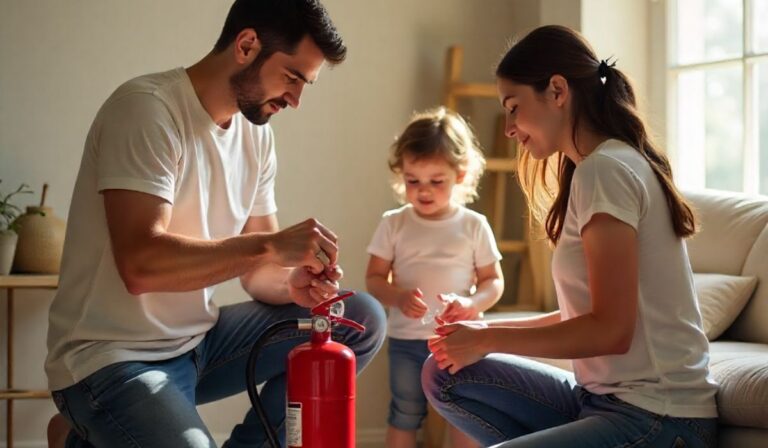
- Fire Safety: Develop a fire escape plan and practice it regularly. Make sure all family members know the plan and where to go. The fire escape plan should include an evacuation route, and a designated meeting location outside your home. Ensure your baby’s bed is near an escape route.
- Weatherproofing: Strengthen your home against potential severe weather. This may include securing doors and windows. Inspect and maintain your home’s roof. Ensure that your home can withstand extreme weather conditions. Inspecting your home regularly will provide safety for the family.
Childproofing Your Environment
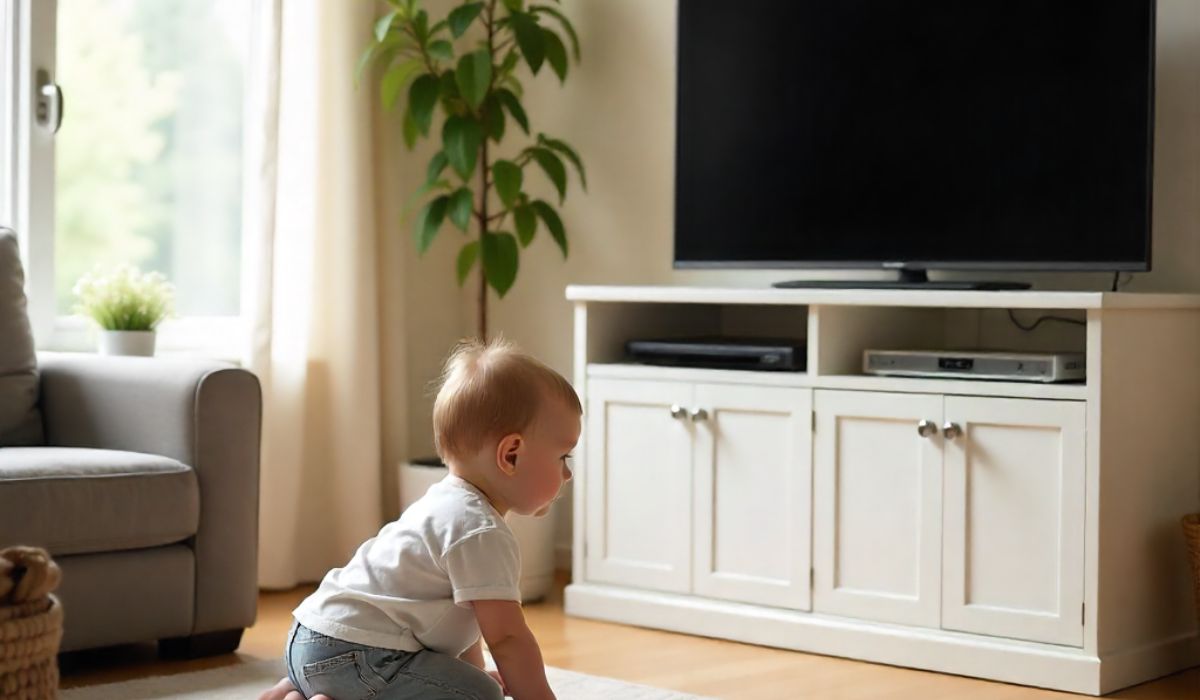
Childproofing minimizes the risks your baby may encounter, such as falls, poisoning, and other injuries. It includes a series of steps to eliminate hazards.
This includes covering electrical outlets, securing furniture, and storing harmful substances out of reach. These steps promote your baby’s safety.
- Outlet Covers and Cord Management: Install outlet covers on all electrical outlets. Keep electrical cords out of reach. Use cord organizers or tape to secure them. Outlet covers and cord management will prevent your baby from putting anything in the outlets or chewing on cords.
- Furniture Anchors: Secure furniture, such as dressers and bookshelves, to the walls. This reduces the risk of tip-overs. Use furniture straps or anchors. Heavy furniture can pose a risk to your baby. Prevent injuries by securing dressers, shelves, and other furniture.
- Hazardous Substance Storage: Store cleaning products, medications, and other hazardous substances in locked cabinets or out of reach. This reduces the risk of accidental ingestion. Be sure that your baby does not come in contact with harmful materials. Ensure they are stored safely.
Water Safety
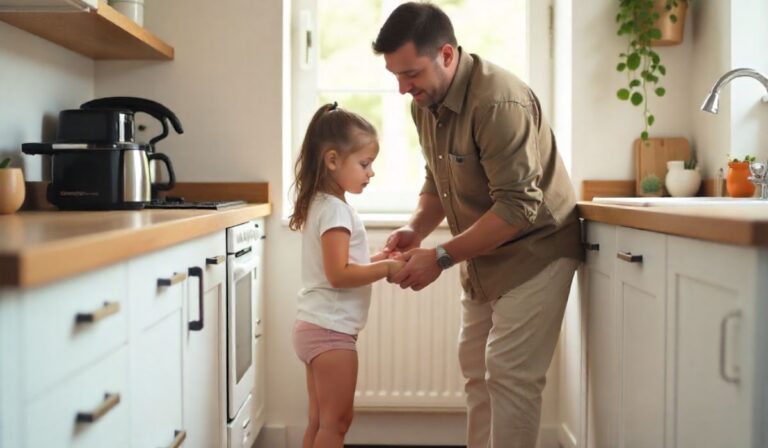
Water presents numerous risks for babies, from drowning hazards to contamination concerns. Implement several measures to ensure water safety.
These include monitoring water sources and taking preventive action, giving your baby a safe and healthy environment.
- Bath Safety: Never leave your baby unattended in the bath, even for a moment. Always test the water temperature before putting your baby in the bath. Use non-slip mats in the bathtub. Be extra cautious when bathing your baby. Bath safety will keep your baby from falling or getting injured.
- Pool Safety (if applicable): If you have a swimming pool, install a secure fence with a self-closing gate. Supervise your baby closely around any water source. This provides a safety barrier. A fence is essential to prevent accidents. Supervise your baby at all times when in or near water.
- Water Source Safety: In an emergency, your water supply could be contaminated. Store a supply of clean drinking water for your baby. Boil tap water before use if you suspect contamination. When you have a newborn, the quality of water is essential. Taking steps to sanitize it will keep your baby safe.
Creating a Family Communication and Evacuation Plan
Having a communication and evacuation plan is essential to help your family and baby manage emergencies.
The plan ensures that everyone knows what to do and where to go in case of an emergency. This plan helps reduce stress and prevents confusion.
Developing a Communication Strategy
When emergencies happen, being able to communicate is essential to ensure the safety and wellbeing of your family.
This involves identifying multiple methods for keeping in touch, particularly when traditional communication methods might not be available. A well-designed communication strategy helps maintain contact and coordinate the response.
- Emergency Contact Information: Create a list of emergency contact numbers, including family members, neighbors, and local authorities. Keep this list in a central, easily accessible location. Having a list of contact numbers helps in getting in touch with anyone in an emergency situation.
- Meeting Locations: Identify two meeting locations: one near your home and one outside your neighborhood, in case you cannot return home. This helps coordinate your family members. Meeting locations are very important in an emergency situation. Be sure to select a location that is easily accessible.
- Communication Methods: Discuss various ways to communicate during emergencies, like mobile phones, text messages, and a two-way radio. It is vital to use multiple channels. Be sure to communicate using every available source. If one communication method does not work, use a different one.
Evacuation Procedures
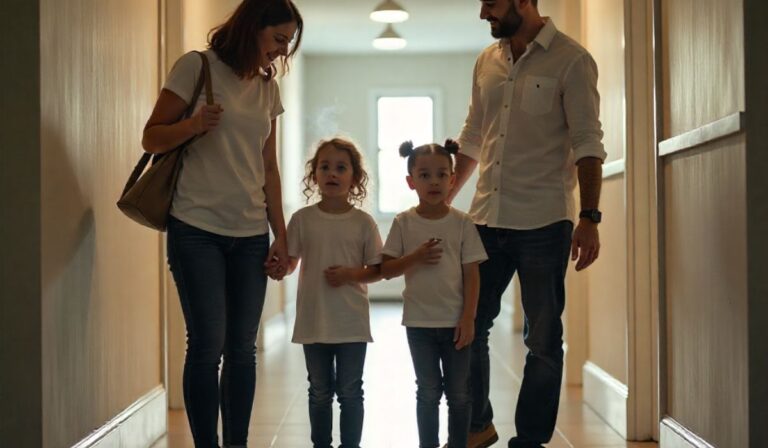
It’s important to develop and regularly practice evacuation procedures to handle emergencies. The procedure describes how to leave your home safely and quickly.
Regular drills provide your family with practice, helping to reduce panic and ensure everyone knows what to do in case of an emergency.
- Evacuation Routes: Plan multiple evacuation routes out of your home. Identify different routes to the designated meeting locations. This will ensure that you have options in case one route is blocked. Your routes should be simple and easily accessible. Consider the needs of all family members, including the baby.
- Emergency Supplies Checklist: Prepare a checklist of essential items to take during an evacuation, like your emergency kit, baby supplies, important documents, and medications. This reduces the risk of forgetting important items. Include all necessary supplies for your baby, such as diapers, bottles, and formula. Having a checklist can avoid forgetting essential items.
- Transportation and Support: Identify transportation options. Consider what you’ll do if your vehicle is not accessible. Designate a friend or family member for assistance. Make sure you have a plan for transportation. Designate a friend or family member for support.
Practicing and Reviewing Your Plan
Preparing for emergencies isn’t a one-time thing. Practice and reviews are vital to keep your plans practical and effective.
Regular drills and reviews enable you to identify areas where your plan may be improved. This ensures that you are ready in case of an emergency. This helps identify any weaknesses in your plan.
- Family Drills: Conduct regular family drills, including fire drills and evacuation drills. Practice the communication plan and evacuation routes. This familiarizes everyone with the procedures. Make these drills fun and engaging. That will reduce any stress or anxiety. Regularly practice your family drills.
- Kit Inspection: Regularly inspect your emergency kit, replacing expired items and replenishing supplies. This keeps your kit updated and useful. Make kit inspections a part of your monthly routine. This helps to ensure that your supplies are in order.
- Plan Revisions: Review your plan at least twice a year, or after any changes in your family’s circumstances or location. Update contact information, evacuation routes, and any other relevant information. Be sure your plan aligns with your current family needs. Review the plan to ensure it’s still effective.
Financial Preparedness and Emergency Fund
Financial preparation is a key component to any preparedness plan. Having funds available during a crisis can provide resources.
It ensures that you have access to what you need when you need it. This includes having an emergency fund, understanding insurance coverage, and knowing where to find assistance during challenging times.
Building an Emergency Fund
Creating an emergency fund can protect your family from financial hardship during unforeseen events. Having an emergency fund provides a financial safety net.
It can help cover unexpected expenses, like medical bills or loss of income. It can provide peace of mind in times of financial uncertainty.
- Savings Goals: Set a savings goal to build an emergency fund. Aim for three to six months of living expenses. This provides a safety buffer during an emergency. Start with a manageable amount, then increase the amount over time. Ensure this account is separate from regular spending.
- Accessible Funds: Make sure your emergency fund is kept in an easy-to-access account. It should be separate from regular spending, like a savings account. An accessible account means you can use it when needed, while keeping the funds secure.
- Budgeting and Savings: Prioritize savings in your monthly budget. Review your spending and identify areas where you can save more. Put a portion of each paycheck towards the emergency fund. Make savings a priority in your monthly budget. Even small amounts saved regularly will grow over time.
Insurance Coverage
Understanding your insurance coverage is essential for protecting your finances and well-being. Evaluating your insurance plans to ensure they cover potential risks helps minimize financial setbacks.
A clear picture of your insurance coverage means you’re prepared in the event of unforeseen circumstances.
- Policy Review: Review your insurance policies, including home, health, and auto insurance. Make sure the policies cover potential risks relevant to your situation. Regular reviews are very important. This ensures your coverage is current and sufficient. It will provide peace of mind.
- Coverage Limits: Assess the coverage limits for each policy. Ensure these are sufficient to cover potential expenses. This will ensure you are protected. If you need to make a claim, your coverage limits will play a role. Understanding coverage will help avoid issues.
- Policy Updates: Keep your policies up-to-date. Report any changes in your life, like adding a child to a policy. Update your policies as needed. Contact your insurance company with any changes. This way, your coverage stays up-to-date and reflects your current needs.
Accessing Resources
Knowing where to find help and assistance during a crisis is essential. Researching programs helps to locate government programs, charitable organizations, and other sources of support.
These sources can provide help during and after a disaster. Understanding these resources will ensure you have access to the support you need.
- Government Programs: Research local and national government programs. Many programs are available during emergencies, such as disaster relief assistance, food assistance, and temporary housing. Visit your local government website to learn more about programs. Understanding government programs will assist you during an emergency.
- Charitable Organizations: Investigate local and national charitable organizations. These groups provide support during emergencies. Many offer essential supplies, financial aid, and counseling services. Find out more about the organizations in your community. They are ready to provide help to those in need during and after a crisis.
- Community Support: Build connections within your community. Your neighbors, friends, and support groups can offer valuable assistance during emergencies. Consider creating a support network. Your support network can offer help during an emergency. Stay connected to your community.
FAQ Of Preparing Your Home for Emergencies With a Newborn
What’s the best place to store my baby’s emergency kit?
The best place to store your baby’s emergency kit is in an easily accessible, dry location. Consider a closet near your primary living area or a designated area in a bedroom. The goal is to be able to find it quickly in any situation.
How often should I check the expiration dates on items in the emergency kit?
Check the expiration dates in your baby’s emergency kit at least twice a year. This ensures that the food, formula, medications, and other supplies are safe and effective when needed. It’s a good habit to review the kit when you change the clocks for Daylight Savings Time.
What if my baby has allergies?
If your baby has allergies, be sure to include any necessary medications, such as epinephrine auto-injectors, in your kit. Also, provide a list of your baby’s allergies and any emergency contact information. Clearly label all items for allergies.
What should I do if the power goes out?
If the power goes out, stay calm. Use a flashlight or headlamp to see, and contact your utility company. If it’s cold, bundle your baby in warm clothing. Use safe methods for heating, like fireplaces if they are available. If you have any medical devices that require power, have a backup plan ready.
How can I help my baby stay calm during an emergency?
During an emergency, stay calm yourself. Speak softly and reassure your baby. Offer comfort items, such as a favorite toy or blanket. Maintain a consistent routine when possible, and ensure the baby is kept warm and fed.
Final Thoughts
Preparing for emergencies with a newborn is a serious matter, but it doesn’t need to be overwhelming.
You’ve now explored the key components of effective emergency planning. You have information regarding essential supplies, home safety measures, communication plans, and financial preparation.
By taking these steps, you build a safer and more secure environment for your baby. You’re better equipped to handle unexpected events.
Remember, the goal isn’t just to prepare for the worst. It’s to create a foundation of confidence and control during challenging times.
Continually assess your preparedness, revise your plans, and embrace the peace of mind that comes with knowing you’re ready.
Focus on making incremental progress, and celebrate the steps you take. Prioritizing how to prepare your home for emergencies when you have a baby or newborn now will pay dividends in the future.