Safe Home Heating: How To Use Space Heaters Around Kids And Pets
Key Takeaways
- Learn how to choose the right space heater type for your needs and environment.
- Discover essential safety precautions to protect kids and pets from burns and other hazards.
- Understand the importance of proper placement and ventilation to prevent fires and carbon monoxide poisoning.
- Explore the best practices for maintaining your space heater to ensure optimal performance and longevity.
- Find out how to monitor your children and pets near space heaters to prevent accidents.
- Gain expert advice on handling different emergency situations involving space heaters.
A chilly evening, you’re snuggled on the couch, and the space heater is humming, keeping the room warm.
But wait, little Timmy is running around, and Mittens the cat is curious. Suddenly, you’re hit with a wave of worry: Is this setup even safe? The comfort of a warm home shouldn’t come at the cost of your loved ones’ security.
This guide explores everything you need to know about Safe Home Heating: How to Use Space Heaters Around Kids and Pets, giving you the knowledge to create a cozy and secure environment.
You’ll gain practical advice, safety tips, and expert insights to make informed decisions for your home. This will reduce your anxiety and ensure a safe and comfortable living space.
Choosing the Right Space Heater
The first step toward safe home heating is selecting the right type of space heater for your particular requirements.
There are several options available, each with its own advantages, disadvantages, and suitability for homes with children and pets. Considering factors like size, safety features, and energy efficiency is key.
Choosing wisely can significantly reduce risks and increase peace of mind. Let’s explore the various kinds of heaters and what makes them suitable or unsuitable for households with little ones and furry companions.
Types of Space Heaters
Several types of space heaters cater to diverse needs, from small personal warmers to large room heaters.
Each uses a distinct method to generate heat and has its unique set of safety features and potential hazards.
Knowing the distinctions between these heater types is essential for making a choice that prioritizes safety and meets your heating needs.
- Convection Heaters: These heaters warm the air by heating coils or elements, causing warm air to circulate throughout the room. They are usually more energy-efficient and heat spaces consistently. However, the surface of these heaters can become hot, posing a burn risk to children or pets who might touch them.
Convection heaters operate by drawing in cool air, warming it using heated coils or elements, and then releasing the warmed air back into the room.
This process creates a continuous cycle of air circulation, steadily raising the temperature throughout the space.
The design often includes fins or a grill to enhance the heating surface area. A significant safety consideration is the external temperature of these heaters.
The heating elements and outer casing can become quite hot, posing a burn hazard. It is essential to ensure they are kept away from children and pets. Place the heater in a location where it cannot be easily bumped or touched.
- Radiant Heaters: Radiant heaters use infrared waves to heat objects directly, such as people and furniture, rather than the air. They tend to heat up quickly and provide a focused warmth. However, because of their direct heat, they can be a burn hazard if placed too close to a child or animal.
Radiant heaters emit infrared radiation, which is absorbed by nearby objects, including people, furniture, and walls.
This direct heating method makes them highly effective in providing immediate warmth, which is useful in smaller areas or for spot heating.
However, the intensity of the heat can also be a significant safety concern. The heating elements, often exposed, can become extremely hot and cause severe burns upon contact.
Additionally, radiant heaters can dry out the air, leading to discomfort. Proper placement is crucial to prevent accidental contact and to maintain comfortable humidity levels. Ensure that these are kept at a safe distance from areas where children and pets play.
- Oil-Filled Radiator Heaters: These heaters use electricity to heat oil within a closed system. The oil then radiates heat into the room. They are often considered safer because the exterior surfaces do not get as hot as other types of heaters. However, they can take longer to heat a room compared to other heater types.
Oil-filled radiator heaters are a popular choice due to their relative safety and gentle heating capabilities.
These heaters use electricity to heat a thermal oil within sealed metal fins. The heated oil then warms the fins, which in turn radiate heat into the surrounding environment.
Because the oil is contained, the exterior surface does not become as hot as other heater types, lowering the risk of burns.
They are designed to create a consistent warmth throughout a room. They can take longer to heat a space up.
The lack of open heating elements or glowing surfaces further reduces fire risks. These heaters often come with safety features like tip-over shut-off.
- Ceramic Heaters: These heaters use ceramic plates that heat up quickly and then use a fan to circulate the warmed air. They are often compact and have built-in safety features like tip-over protection. However, the heating element and the outlet of the fan can still be hot.
Ceramic heaters are known for their fast heating times and compact design, which makes them convenient for heating small to medium-sized rooms.
These heaters use a ceramic heating element, which quickly heats up when electricity is applied. A fan then pushes air across the heated element, dispersing warm air into the room.
They often include safety features such as tip-over shut-off switches and overheat protection to prevent accidents.
While the exterior of the heater may not reach extreme temperatures, the heating element itself and the fan outlet can still become hot.
Proper placement and supervision are essential to ensure the safety of children and pets. This ensures that they cannot accidentally touch the hot surfaces or disrupt the heater’s operation.
Safety Features to Look For
Choosing a space heater with essential safety features is critical. These features provide a critical layer of protection for children and pets.
Look for models equipped with features that prevent accidents and reduce the risk of injury. These details can make a significant difference in home safety.
- Tip-Over Shut-Off: This is a crucial feature that automatically turns off the heater if it is knocked over, preventing fires.
Tip-over shut-off is a fundamental safety feature designed to prevent fires and reduce injury risks. The feature involves a built-in mechanism that detects when the heater is tilted or knocked over beyond a safe angle.
Upon detection, the heater automatically turns off its heating elements. This prevents the heater from continuing to operate while in a dangerous position, like on its side, where it could ignite nearby flammable materials or cause serious burns.
This feature is particularly important for homes with children or pets who might accidentally knock the heater over during play or by simply moving around. The inclusion of this feature is an essential step towards safe home heating.
- Overheat Protection: This feature prevents the heater from getting too hot, reducing the risk of fire.
Overheat protection is a vital safety mechanism engineered to safeguard against fire hazards caused by excessive heat.
This feature monitors the internal temperature of the heater and automatically shuts off the heating element if the temperature exceeds a safe threshold.
This usually prevents the overheating of internal components and the surrounding environment. Overheat protection is particularly useful in situations where the heater might be blocked by objects, like a blanket or piece of furniture.
It is also useful if the heater’s fan fails. By automatically ceasing operation when temperatures become dangerously high, overheat protection minimizes the risk of combustion and ensures the heater operates within safe parameters.
- Cool-Touch Housing: This feature ensures that the exterior of the heater does not get too hot to touch, minimizing the risk of burns.
Cool-touch housing is a design aspect that significantly reduces burn risks, particularly in homes with children and pets.
This design ensures that the exterior surfaces of the heater remain at a safe temperature, even when the heating elements inside are operating at high temperatures.
The materials and construction of the housing are carefully selected to insulate the heat. They prevent it from transferring to the exterior.
This minimizes the risk of accidental burns if a child or pet brushes against the heater. This feature offers an additional layer of protection, making the space heater safer to use in busy households.
Always check the external temperature, especially near the heating element’s outlet, to make sure it is safe.
- Automatic Shut-Off: Some heaters have an automatic shut-off feature that turns the heater off after a set amount of time.
Automatic shut-off features add an extra layer of safety and convenience by allowing the heater to turn off automatically after a set period.
This can be pre-set or adjusted. It prevents the heater from running continuously, which can lead to overheating or excessive energy consumption.
These features are helpful in busy households, where people might forget to turn off the heater. It prevents the heater from being accidentally left on for prolonged periods.
This also ensures that the heater doesn’t continue running unattended, decreasing the likelihood of accidents.
This is particularly useful in bedrooms or other areas where a heater might be left on overnight or during periods when no one is present.
Energy Efficiency Considerations
Energy efficiency is an important factor. Choosing an energy-efficient space heater can help lower your utility bills and reduce your environmental footprint. Considering the long-term running costs and environmental effects is essential.
- Wattage and Heating Capacity: Choose a heater with the appropriate wattage for the size of the room you want to heat.
Matching the wattage of a space heater to the room’s size is a crucial step towards both effective heating and energy efficiency.
Wattage determines the heater’s power consumption and its capacity to heat a space. Using a heater with too low a wattage in a large room will result in inadequate heating and the heater will have to work continuously, wasting energy.
On the other hand, using a heater with too high a wattage in a small room can lead to overheating. This results in wasted energy, potentially making the room uncomfortably hot.
A general rule is to use about 10 watts per square foot, but other factors like insulation and window efficiency should be considered. Consult the heater’s instructions to select the most appropriate wattage for your needs.
- Thermostat Settings: Using the thermostat to adjust the heater’s temperature is a helpful way to regulate the amount of energy used.
Thermostat settings are a critical component for both comfort and energy efficiency when using space heaters. A thermostat allows you to set a desired temperature.
The heater then turns on and off automatically to maintain that temperature. This is essential for controlling energy usage.
Without a thermostat, a heater would continuously run. With the thermostat, the heater only works as needed.
When the room reaches the set temperature, the heater turns off. As the room cools, the heater kicks back on.
This cycle prevents the heater from wasting energy, which can significantly reduce utility bills. It also prevents the room from becoming uncomfortably hot.
By using the thermostat, you maintain the desired temperature without excessive energy consumption.
- Energy-Saving Modes: Some heaters have energy-saving modes that optimize energy use.
Energy-saving modes are a valuable feature that enhances the efficiency of space heaters, often designed to reduce energy consumption.
These modes optimize energy usage by automatically adjusting the heater’s operation. Some common energy-saving modes include Eco mode, which lowers the heating output, and timer settings.
With Eco mode, the heater might operate at a lower power setting, which uses less energy while still providing some level of warmth.
Timer settings allow the heater to turn on and off according to a set schedule, preventing it from running when the room is empty.
This is an efficient way to conserve energy. This can lead to considerable savings on your energy bill.
The use of energy-saving modes contributes significantly to a more sustainable energy consumption model.
Safety Precautions Around Kids and Pets
Creating a safe environment for your children and pets around space heaters involves implementing specific precautions.
This includes placement, supervision, and education. Taking these steps is crucial to prevent accidents and ensure everyone’s safety.
Safe Placement Strategies
The placement of a space heater is crucial. It can significantly impact the safety of children and pets.
Following a few simple guidelines reduces the risk of burns, fires, and other accidents. Making smart choices can make a significant difference.
- Keep Heaters Away from Flammable Materials: Maintain a safe distance from curtains, bedding, and other items that could easily catch fire.
Ensuring that space heaters are placed a safe distance from flammable materials is one of the most important safety practices.
Flammable materials include curtains, drapes, bedding, upholstery, paper, and any other items that could easily ignite and spread a fire.
A minimum distance of 3 feet (about 1 meter) between the heater and any flammable items is commonly recommended.
Regularly inspect the surrounding area to ensure that no items have been placed too close to the heater.
Never place the heater on surfaces covered with flammable materials, like carpets or rugs. Maintaining this safe space minimizes the risk of a fire, providing an extra layer of protection.
- Place Heaters on a Level, Stable Surface: This prevents accidental tipping and minimizes fire risk.
The stability of the surface upon which a space heater is placed is important for preventing accidents. Always place the heater on a flat, level, and stable surface.
This reduces the risk of the heater being knocked over by children, pets, or accidental bumps. Avoid placing the heater on uneven floors, rugs, or unstable furniture.
These can cause the heater to tip over, which can lead to fire hazards and burns. If the heater has a tip-over shut-off feature, it will automatically shut down the heater.
Even if the heater has this safety measure, minimizing the risk of tipping is important. Also, make sure that the surface can support the heater’s weight and that the heater’s vents are not blocked.
- Avoid Placing Heaters in High-Traffic Areas: Choose locations where children and pets are less likely to bump into the heater.
Avoiding placement in high-traffic areas is an important aspect of safety when using space heaters. High-traffic areas are locations where people, especially children and pets, frequently pass through.
This increases the chances of accidentally bumping into the heater, causing it to tip over, or exposing them to the hot surfaces.
Think about where children and pets play and move around. Try to position the heater away from these areas.
Consider using cord covers or placing furniture around the heater to create a barrier and prevent children or pets from getting too close. Keeping heaters out of high-traffic zones significantly reduces the chance of accidents.
Supervision and Monitoring
Supervision and monitoring are important to ensure children and pets stay safe around space heaters.
Constant awareness and oversight, especially in homes with young children and pets, can prevent accidents. It is vital to actively watch them around these devices.
- Never Leave a Space Heater Unattended: Always supervise the heater when it is in use, especially when children or pets are present.
The principle of never leaving a space heater unattended is a vital aspect of home safety. While space heaters are useful devices, they also pose inherent risks, especially when children and pets are around.
Children, being naturally curious, can easily get too close to the heater and suffer burns. Pets, too, can be drawn to the warmth and inadvertently touch the hot surfaces or disrupt the heater.
Leaving the heater unattended also increases the risk of fire. This is especially true if the heater is near flammable materials.
Constant supervision allows you to respond quickly to potential hazards. This includes keeping children and pets at a safe distance from the heater. It can also help detect and prevent issues like obstructions or overheating.
- Teach Children About Heater Safety: Educate children about the dangers of space heaters and the importance of staying away.
Educating children about heater safety is a helpful measure in protecting them from potential harm.
This involves teaching them about the dangers of space heaters and explaining why they need to stay a safe distance away.
Explain to them that the surfaces of the heater can be very hot and cause burns if touched. Teach them to avoid touching the heater.
Talk about the importance of not throwing anything near the heater. Use age-appropriate language and examples to explain the risks.
This makes it easier for them to understand and remember. Regularly reinforce the safety messages, especially during the colder months when heaters are frequently used. This helps develop a culture of awareness and safety around the home.
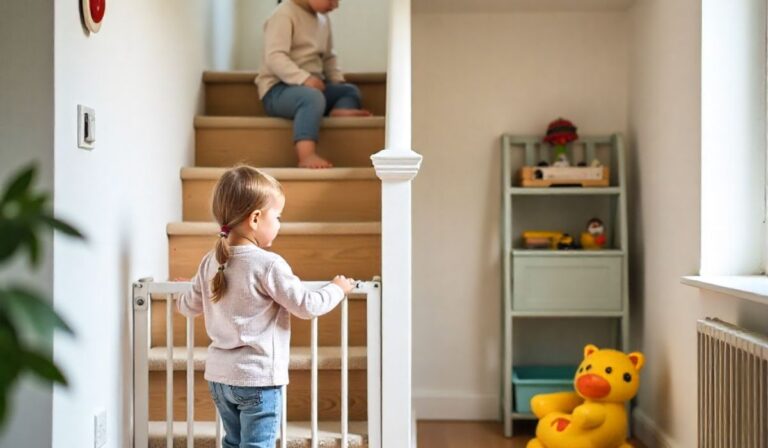
- Use Pet Gates or Barriers: Consider using pet gates or other barriers to keep pets away from space heaters.
Implementing pet gates or barriers is a practical way to prevent pets from accessing space heaters, thereby reducing the risks of burns and accidents. These barriers create a physical boundary, preventing the pet from coming into contact with the heater.
This is particularly helpful for dogs and cats. They might not fully grasp the dangers of heat. These barriers can be placed around the heater to give space between the pet and the device.
Choose a barrier that is stable and can’t be easily knocked over by pets. Make sure that the barrier is far enough from the heater to prevent heat buildup.
Always monitor pets, even with barriers in place, to ensure they don’t find ways to bypass the protection.
Specific Hazards and Prevention
Specific hazards relating to space heaters need specific solutions. It is important to know these hazards and the methods to prevent them. These preventative steps contribute to a safer environment.
- Burn Hazards: Ensure the heater’s surface is not accessible to children or pets.
Burn hazards from space heaters are a major safety concern, especially in homes with children and pets.
The heating elements and the exterior surfaces can reach high temperatures, which can cause severe burns on contact.
Preventing burns involves a combination of strategies. Choose heaters with cool-touch housing. Place the heater in areas where children and pets cannot reach it.
Use barriers or pet gates. Educate children about the dangers of touching the heater. It’s helpful to teach children about what to do if they accidentally touch a hot surface. These measures create a safer environment, decreasing the risk of accidental burns.
- Fire Hazards: Keep the area around the heater clear of flammable materials.
Fire hazards associated with space heaters can be serious, and taking preventive measures is crucial for home safety.
Space heaters generate heat, and if they are placed near flammable materials, they can easily cause a fire.
To minimize this risk, ensure that there is at least a 3-foot clearance around the heater. Keep the heater away from curtains, bedding, furniture, and any items that could catch fire.
It is also important to regularly inspect the area around the heater. Make sure that nothing has been placed too close.
If using the heater on a surface, make sure it is not covered with flammable materials, like rugs or carpets. By following these precautions, you reduce the likelihood of a fire.
- Carbon Monoxide Poisoning: Ensure proper ventilation to prevent the buildup of carbon monoxide.
Carbon monoxide (CO) poisoning is a very serious health risk associated with space heaters. Carbon monoxide is a colorless, odorless gas. It is produced when fuels are burned incompletely.
If a space heater malfunctions or is used in a poorly ventilated area, CO can build up to dangerous levels.
To prevent carbon monoxide poisoning, it’s vital to ensure proper ventilation in the room. This includes not blocking vents and providing fresh air circulation.
Have a professional check your heater. Make sure it is working correctly. It is also important to install carbon monoxide detectors.
Place them near sleeping areas. This alerts you quickly in case of a CO leak. These precautions are important for the health and safety of everyone.
Maintenance and Usage Tips
Proper maintenance and responsible usage of space heaters are important for both safety and effectiveness.
By following these suggestions, you can make sure your space heater works correctly and safely. Regular care and wise operation are essential.
Regular Maintenance Tasks
Regular maintenance is important for safe home heating. It extends the life of the heater and ensures it works well. Routine inspections and cleaning improve performance and lower risks.
- Cleaning the Heater: Dust and debris can cause the heater to malfunction or become a fire hazard.
Cleaning a space heater is important for both performance and safety. Dust and debris can accumulate inside the heater.
This can cause the heater to operate less efficiently, which can make it work harder and consume more energy.
Dust and debris can also become a fire hazard, as they can catch fire if they come into contact with the heating element.
Before cleaning, make sure the heater is unplugged and has cooled down. Use a vacuum cleaner to remove dust and debris from the exterior and the internal components.
Follow the manufacturer’s instructions for cleaning the specific model you have. By doing this regularly, you will improve the heater’s efficiency, extend its lifespan, and reduce fire hazards.
- Inspecting the Power Cord: Check the power cord regularly for fraying or damage, which can pose a fire or shock hazard.
Inspecting the power cord of your space heater is a crucial safety task. The power cord is the electrical lifeline of the appliance.
Damage to the power cord, such as fraying, cuts, or exposed wires, can be very dangerous. This damage can cause electric shocks or lead to a fire.
Inspect the entire length of the cord. Look for any signs of wear and tear. If you find any damage, immediately stop using the heater and have a qualified electrician replace the cord.
Always plug the heater directly into a wall outlet and never use an extension cord unless it is specifically rated for high-wattage appliances like space heaters. This will help maintain safe operation.
- Checking for Overheating: Ensure the heater isn’t running too hot, as this can indicate a malfunction.
Regularly checking your space heater for overheating is important to prevent safety issues and fire hazards.
Overheating can be a sign of a malfunction, possibly leading to a fire or other serious damage. If you notice a burning smell, unusual noises, or if the exterior of the heater feels excessively hot to the touch, turn it off immediately. Unplug it and have it inspected by a professional.
Also, make sure that the heater has sufficient airflow and is not blocked by anything. If you are using the heater in a room where it can’t circulate properly, it can cause it to overheat. Always use the heater as directed and never leave it running unattended for extended periods.
Proper Usage Guidelines
Following proper usage guidelines for space heaters makes them safer and more effective. This involves operating the heater correctly and understanding the potential risks. Proper use is a key factor in keeping the environment safe.
- Follow Manufacturer’s Instructions: Always operate the heater according to the manufacturer’s instructions.
Following the manufacturer’s instructions is the most important step for safe and effective use of a space heater.
These instructions provide detailed guidelines about the operation and maintenance of the specific model. They are carefully designed to make sure the heater works properly and efficiently.
They are designed to prevent accidents. The instructions will specify the appropriate settings, recommended usage times, and any specific safety precautions that need to be followed.
This can include warnings about placement, ventilation, and the types of surfaces on which the heater can be used.
By reading and following these instructions, you reduce the risks associated with improper use. This ensures that the heater operates safely and as intended.
- Avoid Overloading Electrical Outlets: Do not plug multiple high-wattage appliances into the same outlet.
Avoiding overloading electrical outlets is important to prevent fire hazards. Space heaters are high-wattage appliances, which means they draw a considerable amount of electricity.
Plugging multiple high-wattage appliances into a single outlet or circuit can overload the circuit. The result is overheating of the wiring, which can lead to a fire.
Always plug the space heater directly into a wall outlet. Never use an extension cord unless it is specifically rated for high-wattage appliances and in good condition.
If you are unsure about the capacity of your electrical outlets, contact a qualified electrician to inspect your electrical system and ensure it can safely handle the load. This is a crucial step towards maintaining a safe and functional environment.
- Ensure Adequate Ventilation: Do not block air vents and ensure the room is adequately ventilated.
Ensuring adequate ventilation is an important aspect of safety when using space heaters. Proper ventilation helps to remove stale air and prevents the buildup of dangerous gases, such as carbon monoxide, which can be released if the heater malfunctions.
Make sure that the heater is not placed in a confined space. It should be in a room with adequate airflow.
This includes keeping air vents clear and making sure that doors and windows are not sealed so tightly that fresh air can’t enter.
Do not block the heater’s vents. If you notice any unusual odors or symptoms such as headache, nausea, or dizziness while the heater is in use, turn it off immediately.
Open windows and doors to increase ventilation. Then, have the heater inspected by a qualified professional.
Emergency Situations and Responses
Knowing what to do in emergency situations is crucial. This includes knowing how to act if your space heater experiences an issue. Quick and correct actions can make a huge difference in these situations.
Responding to a Fire
In the event of a fire, quick and appropriate action can be key to protecting yourself and others. Fire safety is very important.
Being prepared and knowing how to respond can save lives. It is important to know how to react in the case of a fire.
- Immediately Evacuate the Area: Get everyone, including children and pets, out of the house.
If a fire starts near a space heater, the first and most important step is to evacuate the area immediately.
This means that everyone inside the home, including children and pets, must be brought to safety. Do not waste time gathering belongings or attempting to extinguish the fire yourself.
The priority is to escape quickly and safely. Once everyone is out, go to a prearranged meeting place outside the home to ensure that everyone has made it out safely.
Then, call the fire department. Provide them with your address and information. Ensure your safety. This strategy ensures the fastest possible escape from the dangerous situation.
- Call the Fire Department: Contact the fire department as soon as you are in a safe location.
After evacuating the area, the next important step is to immediately call the fire department. Make the call from a safe location, away from the burning building.
Provide the dispatcher with clear and accurate information about your location, the nature of the emergency, and any other relevant details.
Include information such as the size and extent of the fire, the possible cause, and if anyone is trapped inside.
Describe any potential hazards, such as flammable materials or the presence of gas lines. This information will help the firefighters to assess the situation and respond effectively.
Staying calm and providing detailed information can make a difference in how the fire department handles the situation.
- Never Attempt to Fight the Fire Yourself: Focus on getting everyone out and calling for help.
If a fire breaks out, it’s vital to focus on getting yourself and everyone else out. Never try to fight the fire yourself. Fires can spread very quickly.
They can create dangerous conditions, including smoke inhalation, burns, and structural collapse. Leaving the building immediately allows you to keep yourself and everyone else safe.
The best course of action is to evacuate quickly. Then call the fire department. Let the trained professionals handle the fire, using their specialized equipment and knowledge to extinguish it safely. Your safety and the safety of your loved ones is the most important thing.
Dealing with Burns
Knowing how to react to burns is critical in situations involving space heaters. Quickly administering first aid is important. Being prepared can reduce suffering and make a big difference in recovery.
- Cool the Burn: Immediately cool the burn with cool (not cold) water for 10-20 minutes.
If someone suffers a burn from a space heater, the first step is to cool the burn immediately with cool, running water.
Never use ice, ice water, or very cold water, as this can cause further tissue damage. Gently run cool water over the burned area for 10-20 minutes.
This helps to stop the burning process, reduces pain, and lessens the risk of further injury. Avoid using soap, lotions, or ointments at this stage.
Once the area has been cooled, gently pat it dry. Cover it with a clean, dry, sterile dressing or bandage to protect it from infection.
If the burn is severe, or if the burn covers a large area of the body, seek medical attention immediately.
- Seek Medical Attention: Seek medical attention for severe burns.
For severe burns, medical attention should be sought immediately. Severe burns are burns that cover a large area of the body.
They can also involve deep tissue damage. It’s essential to get professional medical help for the assessment and treatment.
Signs of a severe burn include blistering, charred skin, or white/leathery skin. If you suspect a severe burn, do not try to treat it at home. Instead, call emergency services or go to the nearest emergency room.
Medical professionals can assess the burn’s severity, provide appropriate first aid, and take steps to prevent complications.
Prompt medical attention is essential to prevent infection, reduce scarring, and improve the chances of a complete recovery.
- Follow Medical Advice: Follow the doctor’s instructions for burn care.
If you or someone else has been treated for a burn, it is essential to follow the doctor’s instructions closely for burn care.
The doctor will provide detailed guidance on wound care, pain management, and any other necessary treatments.
This can include regularly cleaning the burn area, applying prescribed medications, changing bandages, and watching for signs of infection.
Do not attempt to self-treat the burn. Also, don’t use any remedies unless they’ve been approved by the doctor.
Follow-up appointments, as scheduled, are critical to make sure that the burn is healing correctly. This can minimize scarring and other complications.
Following the doctor’s recommendations ensures that the recovery process goes as smoothly as possible.
Handling Carbon Monoxide Poisoning
Understanding the signs of carbon monoxide poisoning is critical. Prompt action can save lives. Being ready to recognize the dangers is a must for home safety.
- Recognize the Symptoms: Be aware of the symptoms of carbon monoxide poisoning, such as headache, dizziness, and nausea.
Recognizing the symptoms of carbon monoxide (CO) poisoning is crucial for quick intervention. CO is a colorless, odorless gas.
It can cause serious illness and even death. Common symptoms include a headache, dizziness, nausea, fatigue, and confusion. If you or someone in your home experiences these symptoms, it could indicate CO exposure.
If you suspect CO poisoning, immediately move to fresh air. Open doors and windows to ventilate the area.
If symptoms persist or worsen, seek medical attention immediately. Also, contact your local fire department or utility company to inspect your heating appliances and identify the source of the CO leak. Early recognition and rapid action are important to reduce the risks.
- Ventilate the Area: Open windows and doors to allow fresh air to circulate.
In a situation where you suspect carbon monoxide (CO) poisoning, the immediate action should be to ventilate the area.
Open windows and doors as quickly as possible. This brings fresh air into the space. This will displace the CO that has accumulated.
As CO is a heavier gas than air, proper ventilation helps to dilute the concentration of CO. Doing this greatly reduces the risk of further exposure.
Make sure you also turn off any appliances that could be producing the CO. Leave the area immediately.
By taking these actions quickly, you can lessen the severity of the exposure. Also, it can prevent further harm.
After airing out the area, contact the appropriate authorities. Then have your heating appliances checked for leaks.
- Seek Medical Treatment: Seek immediate medical treatment if you suspect carbon monoxide poisoning.
If you suspect carbon monoxide (CO) poisoning, the most important step is to seek immediate medical treatment.
CO exposure can cause serious health problems, and delays in treatment can be fatal. Go to an emergency room immediately or call emergency services.
When seeking treatment, inform the medical staff that you suspect CO poisoning. Let them know the symptoms you’ve experienced.
Medical professionals can administer oxygen to help counteract the effects of CO on the body. They can also perform tests to measure the level of CO in your blood.
In severe cases, they may use a hyperbaric oxygen chamber. This treatment helps to remove CO from the body faster.
Do not delay seeking medical care. Early intervention is essential to reduce the risk of long-term health effects.
FAQ Of Safe Home Heating
Are all space heaters safe for homes with kids and pets?
No, not all space heaters are equally safe. It is crucial to choose models with safety features like tip-over shut-off, cool-touch housing, and overheat protection. Always supervise use and follow safety guidelines.
Can I leave a space heater on overnight in a child’s or pet’s room?
It is generally not advised to leave space heaters unattended overnight. If you do, use a model with built-in safety features and keep a safe distance from flammable materials. Always monitor the room.
How do I know if my space heater is causing carbon monoxide?
The signs of carbon monoxide poisoning include headache, dizziness, and nausea. If you suspect a carbon monoxide leak, immediately open windows for ventilation and seek medical attention. Have your space heater inspected by a professional.
What’s the best way to prevent burns from space heaters?
The best way is to choose a heater with cool-touch housing. Place the heater in areas out of reach for children and pets, and use barriers to prevent contact. Educate children about the dangers.
How often should I clean my space heater?
Clean your space heater regularly, following the manufacturer’s instructions. A good rule of thumb is to clean it at the beginning and end of each heating season, or more often if needed. Ensure the unit is unplugged and cooled down before cleaning.
Final Thoughts
Keeping your home comfortable and secure during the colder months doesn’t have to be a source of stress.
By focusing on safety, you can enjoy the warmth of space heaters without compromising the well-being of your children and pets.
Choosing the right type of heater with essential safety features is the first step toward safe home heating.
Proper placement, including a safe distance from flammable materials, and vigilant supervision are essential.
Maintenance, such as regular cleaning and power cord checks, ensures the heater operates at its best.
Taking appropriate action in emergencies, such as evacuating during a fire or seeking medical attention for burns or carbon monoxide poisoning, is very important.
You can confidently create a warm, inviting, and safe home environment. Remember to always prioritize safety over convenience.
By being mindful and proactive, you’ll be well-prepared to keep your family warm, safe, and worry-free.
Make it a practice to review these safety measures. This will ensure your home continues to be a safe haven for everyone.