Safety Tips for Families in Shared Housing & Multi-Unit Buildings
Key Takeaways
- Learn essential steps to improve home security in shared living situations.
- Discover how to communicate effectively with neighbors and building management.
- Understand the importance of emergency preparedness.
- Explore simple yet effective strategies to protect your family from potential threats.
- Identify common risks and how to mitigate them in a multi-unit setting.
- Find resources to help you create a safer home environment.
You’ve just moved into a new apartment, excited for a fresh start. But then, you hear someone trying your door late at night.
The worry creeps in. This is a common concern for families in shared housing or multi-unit buildings.
Living in these environments presents unique challenges when it comes to personal safety. This post is designed to help you and your loved ones stay secure.
We’ll cover practical safety tips for families that you can implement immediately. You’ll gain valuable insights that can significantly reduce risks and improve your peace of mind. By the end, you’ll feel better equipped to create a safer environment for everyone.
Securing Your Home Environment
Protecting your home environment is a top priority, especially when sharing a building with other families.
This section explores the various ways to boost your physical security within your apartment or unit.
From reinforcing your doors to establishing a neighborhood watch, there are many proactive measures you can take.
We’ll examine ways to minimize your exposure to potential risks and enhance the safety of your family.
Effective home security is the foundation upon which all other safety tips for families are built, providing peace of mind.
Door and Window Reinforcements
Your doors and windows are often the first points of entry for intruders. Strengthening these entry points is a must.
Standard locks may not always be enough, and upgrading them can significantly improve security. Consider installing a peephole if your door doesn’t have one, as it lets you see who’s outside without opening the door.
Also, make sure that windows have reliable locking mechanisms and are in good condition. Taking these basic precautions provides an added layer of security, creating a safer atmosphere for your home.
- A survey revealed that homes with deadbolt locks are significantly less likely to be burglarized. Specifically, homes with deadbolts have a 20% lower chance of being targeted by criminals compared to homes without them.
- Reinforce door frames: Even the strongest lock won’t help if the door frame is weak. Reinforce your door frame with a strike plate and longer screws. This makes it harder for someone to kick in your door. Consider using a security door frame reinforcement kit for additional protection.
- Secure windows with additional locks: If your windows don’t have good locks, or the locks are old, consider installing window security locks. These locks can prevent someone from forcing a window open. You can also use window security film to make your windows harder to break.
- Install window bars or grilles (where allowed): In some situations, especially on ground-floor apartments, window bars or grilles may be useful to discourage entry. Make sure these are professionally installed. Always check with your landlord or building management about any restrictions on modifications.
- Use window sensors: Consider installing window sensors that trigger an alarm if a window is opened without authorization. This can deter intruders and alert you to potential threats. You can also link these sensors to a security system for added protection.
Lighting and Surveillance
Proper lighting and surveillance are key elements in deterring crime. Well-lit areas can make it easier to see potential threats, and video surveillance can capture evidence if an incident does occur.
This is a critical area, and thoughtful use of lighting and surveillance significantly improves the overall security. This helps to ensure a safe environment for your family.
- Install bright exterior lighting: Bright lights around the entrance to your building, walkways, and parking areas discourage potential intruders. Motion-activated lights are especially effective, as they turn on only when someone is nearby, saving energy. According to a study, improved lighting in public spaces led to a 36% decrease in nighttime crimes.
- Light up hallways and common areas: Make sure the hallways and common areas inside the building are well-lit. Report any burnt-out bulbs or insufficient lighting to your landlord or building management. Proper lighting can eliminate blind spots, making it safer for residents.
- Consider security cameras: Security cameras are a visual deterrent and can provide evidence if a crime occurs. Place cameras at the entrances and in common areas. Many affordable and easy-to-install security camera systems are available. Always follow local laws when installing cameras.
- Use smart doorbells with video: A smart doorbell allows you to see who’s at your door, even when you’re not home. Some smart doorbells have motion detection and two-way audio, increasing the security and providing peace of mind. This can be very useful for monitoring package deliveries.
- Trim bushes and trees: Overgrown bushes and trees near windows and doors can provide cover for intruders. Keep these trimmed to improve visibility. Good landscaping maintenance is one of the easiest safety tips for families to implement.
Tenant Communication and Building Management
Building a good relationship with your neighbors and building management is another critical step in making your building secure.
Neighbors can be your eyes and ears, and building management can provide resources and support to help address safety concerns.
This encourages a sense of community. This means that communication with your neighbors and building managers is vital.
- Get to know your neighbors: Building relationships with your neighbors can provide extra security. You can look out for each other and report any suspicious activities. Exchange contact information with your neighbors so you can reach each other easily in emergencies.
- Join or form a neighborhood watch: A neighborhood watch program can improve community safety. Participate in meetings and share information with neighbors. Regular meetings help you to be aware of any incidents in the area and how to deal with them.
- Report suspicious activity: If you see something suspicious, report it to the building management or the authorities. This could include broken locks, strange people hanging around, or anything out of the ordinary. Don’t hesitate to report anything that makes you feel unsafe.
- Communicate with building management about security concerns: If you have concerns about security, inform your building management. They are responsible for maintaining the security of the building and can take action to address any issues.
- Ask about the building’s security protocols: Inquire about the security measures in place, such as access control systems, security patrols, and emergency procedures. Knowing these details can help you and your family to feel more secure.
Emergency Preparedness and Response
Beyond everyday security measures, being ready for emergencies is essential. This includes knowing what to do in case of a fire, a break-in, or a natural disaster.
This section explores the various preparation techniques that can assist your family during an unexpected situation.
This preparedness allows you to respond quickly and effectively, minimizing potential harm. Developing an emergency plan is a crucial aspect of safety tips for families.
Developing an Emergency Plan
A well-defined emergency plan is a crucial element for family safety. This plan should include evacuation routes, meeting points, and communication strategies.
Practicing the plan regularly ensures that everyone knows what to do in case of an emergency. This will aid in the safety of your family during an unexpected crisis.
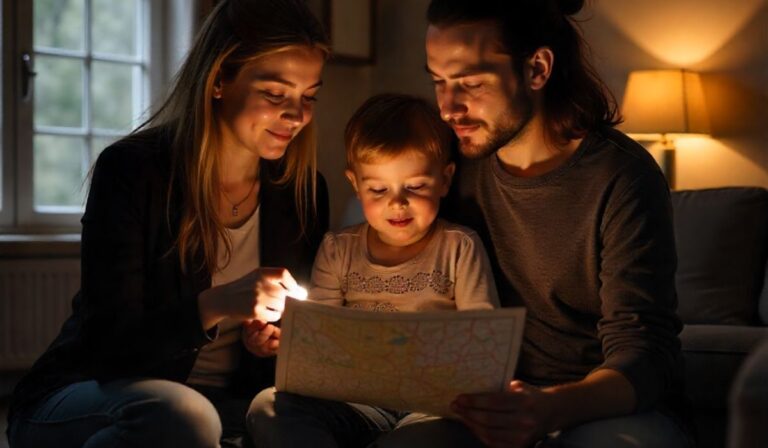
- Create an evacuation plan: Plan multiple evacuation routes from your apartment, and your building. Include the layout of the building, and identify escape routes from various locations. Designate a meeting point outside of the building. Practice your evacuation plan regularly with your family.
- Establish a communication plan: Decide how you will communicate with family members in an emergency. Share important phone numbers and contact information. Ensure that each member knows what to do and where to go if they become separated.
- Prepare an emergency kit: Assemble an emergency kit with essential items. Include non-perishable food, water, a first-aid kit, a flashlight, a battery-powered radio, and any necessary medications. Keep the kit in an accessible location and check it regularly to replace expired items. Studies show that having an emergency kit significantly improves survival rates during disasters. Having this kit in place provides peace of mind.
- Learn basic first aid: Learn basic first aid skills to handle minor injuries. Knowing these skills can be extremely useful in any emergency. You can take a first aid course at your local hospital or community center.
- Discuss emergency scenarios: Discuss various emergency scenarios with your family, like fire, earthquakes, or break-ins. Discuss what to do in each scenario. Encourage questions and provide answers that are age-appropriate to your kids.
Responding to Specific Emergencies
Different emergencies require different responses. Knowing the appropriate actions for each situation can save valuable time and lives.
It is necessary to know how to react to distinct events. It is a good practice to familiarize yourself with the recommended responses for common emergencies.
- Fire: If a fire breaks out, evacuate immediately using the evacuation plan you made. Close doors behind you to slow the spread of the fire. Call 911 from a safe location. Never go back inside a burning building.
- Break-in: If you find someone breaking into your home, leave your home immediately and call 911. Do not confront the intruder. Remain calm and give the police as much information as possible. After the police have cleared the scene, contact your landlord to secure your door or window.
- Natural Disaster (e.g., Earthquake, Flood): Know what to do during different natural disasters. During an earthquake, drop, cover, and hold on. During a flood, move to higher ground. Follow any official instructions from authorities. Be prepared to evacuate if necessary.
- Medical Emergency: Know how to handle a medical emergency. Call 911 immediately if someone is seriously injured. Give first aid if you can. If you have any medical conditions, make sure to keep your medical information handy.
- Power Outage: A power outage can create additional hazards. Have flashlights and battery-powered radios available. Unplug electrical devices to prevent damage. Be ready to evacuate if necessary.
Protecting Children in Emergencies
Children are especially vulnerable during emergencies. Make sure that they understand the plan and know what to do in case of an emergency.
Create a safe environment to help them deal with stress and fear during any critical situation. Practicing with your kids will prepare them. Understanding that, these strategies are a must.
- Teach children about emergency procedures: Explain your emergency plan to your children. Make sure they understand how to evacuate the building and where the meeting point is. Repeat the evacuation plan, frequently.
- Provide them with important information: Teach children their full name, address, and phone number. Make sure they know how to call 911. Give them a list of important contacts, like family members and neighbors, in case they are separated from you.
- Have a comfort plan: During an emergency, children may become frightened. Include items like a favorite toy or a blanket in your emergency kit. Comfort and reassure your children. Keep them calm and informed to reduce anxiety.
- Teach them about stranger danger: Educate your children about stranger danger. Instruct them not to open the door to strangers. Teach them what to do if a stranger approaches them. Tell them to report any suspicious behavior immediately.
- Practice emergency drills: Conduct fire drills and other emergency drills with your children. Repeat often to make sure your children understand the procedure. Regular practice will help them stay calm and know what to do in a real emergency.
Safeguarding Your Personal Belongings
Protecting your personal possessions is another facet of ensuring your family’s security and peace of mind.
Safeguarding valuables, documenting your property, and being careful with your keys are all important steps. Secure your valuables against theft and other risks. It can also assist with insurance claims.
Protecting Valuables
Valuable items are often targets for theft. Therefore, protect your personal valuables to deter burglary. These measures minimize the risk of loss and increase your overall security.
- Use a safe or lockbox: Store valuable items, such as jewelry, important documents, and cash, in a safe or lockbox. This makes it difficult for a burglar to get them. Make sure that the safe is fire-resistant and secured to the floor or wall.
- Keep valuable items out of sight: Do not leave valuable items in plain view. Draw your curtains or blinds to keep your belongings from being visible. This prevents potential thieves from being tempted.
- Take photos and videos of valuable items: Keep records of your valuable items in case of theft. Take pictures or videos of your items. Store this information off-site, such as in the cloud or with a trusted friend or family member.
- Use property marking: Mark your belongings with an identifying number or code. This can help the police to identify your property if it is stolen. There are marking kits available that are not expensive.
- Consider renters or homeowner’s insurance: Renter’s or homeowner’s insurance will help protect your belongings. Get insurance coverage to help reimburse you if your belongings are stolen or damaged. Review your policy to ensure that you have adequate coverage.
Managing Your Keys and Access
Controlling who has access to your home is important. Secure keys and manage access to your property. This is a simple but key part of your security plan. This can help to deter unwanted entry.
- Change locks after moving in: Change the locks on your doors when you move into a new apartment or building. There is no way to know who may have a key to your locks. Request a new key from the building management.
- Don’t give keys to strangers: Do not give your keys to strangers. Be cautious about who you give your keys to. Do not share your keys with people that you do not trust.
- Be careful with key storage: Do not leave keys under doormats, flowerpots, or other obvious locations. This is a well-known hiding spot for burglars. If you need to leave a key for someone, give it to a trusted friend.
- Use a key tracking system: A key tracking system allows you to keep track of who has your keys. This can be as simple as writing down who you have given a key to. Make sure you get the key back.
- Consider keyless entry systems: Consider installing a keyless entry system on your door. This can give you control over who has access to your apartment. You can change the access codes easily.
Inventory and Documentation
Keeping an inventory of your belongings and documenting their condition is essential. Documentation is very useful if there is a theft or damage. This can assist with insurance claims and police investigations.
- Create an inventory of your belongings: Make a complete inventory of your belongings. List each item and note its value and any identifying information, such as the serial number. You can use a spreadsheet or a home inventory app.
- Take photos or videos of your belongings: Along with an inventory, take pictures or videos of your valuable items. Keep the documentation in a safe place. This will give you a record of your possessions.
- Store your documentation safely: Store your inventory and pictures in a safe place. Keep it away from your home, such as in the cloud or with a trusted friend or relative. This protects your records if your home is damaged or if someone steals them.
- Update your inventory regularly: Keep your inventory updated, adding any new purchases and removing any items that you no longer own. Review your inventory annually, or after any big changes.
- Keep receipts and appraisals: Keep receipts for high-value items, such as electronics or jewelry. You may also want to get appraisals for more expensive items. These documents can help with insurance claims.
Community Engagement and Safety Resources
Working with your community and leveraging available resources can greatly enhance your safety. This includes participating in community programs, knowing local laws, and using available safety services. This can help you to stay better informed. This builds a robust network for support.
Neighborhood Watch and Community Programs
Being involved in neighborhood watch programs and community activities boosts safety. This increases awareness and encourages communication. Participating in community programs increases overall security.
- Join a neighborhood watch group: Find out if there is a neighborhood watch in your building or community. Joining this group helps you connect with other members and share information about safety concerns. Being a member also allows you to learn about recent activities.
- Organize community events: You can help by organizing community events. These events can help to increase your safety. Social events are a good way to build relationships.
- Participate in building meetings: Go to any building meetings. This allows you to stay informed of any changes and to be involved in the security process. You can discuss security with other tenants.
- Support local law enforcement: Participate with your local law enforcement. Get to know local police, and offer them support.
- Use social media responsibly: Use social media in a safe way. Be cautious about posting personal details or your location online. Do not share too much information.
Understanding Local Laws and Regulations
Knowing local laws and regulations is essential for safety. Understanding your rights and responsibilities helps you to navigate situations and know how to respond to incidents. It is helpful to know the local laws.
- Familiarize yourself with local ordinances: Learn about the local ordinances for your area. These laws can vary. Pay attention to issues that relate to safety and security.
- Know your rights: Learn your rights as a tenant. Know what your landlord or building management is responsible for. Know what resources are available to you.
- Understand the reporting process: Learn how to report any criminal activity or safety concerns. Familiarize yourself with the procedures for contacting the police or other emergency services.
- Be aware of local crime trends: Find out about any crime trends in your area. This information can help you to become more aware of your surroundings. Check with local law enforcement to learn about the crime trends.
- Follow building rules and regulations: Ensure you follow the rules and regulations. This will help you to create a better living atmosphere. You need to be familiar with the regulations.
Utilizing Safety Services
Using safety services can provide peace of mind and help in emergencies. This includes contacting emergency services, building management and community support organizations. These are useful resources.
- Keep emergency contact information handy: Keep a list of emergency contact information. Make sure you have the contact information. Put it on your refrigerator.
- Contact building management: If there are safety concerns in your building, contact your building management. Keep them informed of issues such as broken locks, or security lighting problems. They may have resources.
- Use community resources: Use local community resources. Check out the local community. They can provide resources and support to help families stay safe. Look for local support programs.
- Report suspicious activity: If you see any suspicious activity, report it to the police. This is important to help keep your building and community secure.
- Consider personal safety devices: Consider personal safety devices. This could be a personal alarm. Research and use what you need.
FAQ Of Safety Tips for Families in Shared Housing & Multi-Unit Buildings
What should I do if I see a stranger loitering in my building?
Immediately report the person to the building management or the authorities. Do not approach the person. Note their appearance and the time they were seen.
Is it safe to leave a spare key under the doormat?
No, it is not recommended. Burglars often check under doormats, flowerpots, and other obvious places for hidden keys. Leave your key with a trusted neighbor or family member.
What is a deadbolt lock, and why is it important?
A deadbolt lock is a type of door lock that has a bolt that moves into the door frame when the door is locked. It provides a more secure locking mechanism than a spring-loaded lock, making it harder for intruders to force the door open.
How often should I test my smoke detectors?
Answer: Smoke detectors should be tested at least once a month. Replace the batteries at least once a year, or when the detector starts to chirp, indicating low battery.
What is a neighborhood watch program?
A neighborhood watch program is a group of neighbors who work together to reduce crime in their area. They act as extra eyes and ears, watching out for suspicious activity and reporting it to the authorities. They promote communication among neighbors.
Final Thoughts
Implementing safety tips for families in shared housing and multi-unit buildings requires diligence and collaboration.
You have explored the value of fortifying your home, developing emergency plans, protecting your belongings, and engaging with your community.
From reinforcing your doors and windows to establishing communication with neighbors and building management, there are a number of actions you can take. Every step increases the safety of your family.
Remember, your safety and the safety of your family members is your priority. Consider taking the time today to review your existing safety measures and identify areas for improvement.
Encourage your family to practice any safety procedures so they become routine. Remember that a proactive approach, combined with community collaboration, is essential in protecting your loved ones. By adopting these strategies, you can improve your safety and feel more secure in your home.