Winter Home Safety: Preventing Carbon Monoxide Poisoning From Heaters And Generators
Key Takeaways
- Learn about the sources of carbon monoxide in your home, especially during winter.
- Discover the common symptoms of carbon monoxide poisoning and how to recognize them.
- Understand the importance of carbon monoxide detectors and where to install them.
- Find out how to safely use portable heaters and generators to prevent carbon monoxide buildup.
- Explore the best maintenance tips for home heating systems to stay safe.
- Gain actionable steps for creating a safe and healthy winter living environment.
Chilly morning when the power went out during a snowstorm? Everyone huddled around the portable heater, grateful for the warmth. But did you know that seemingly harmless action can turn dangerous?
This is because of the silent killer: carbon monoxide. Ensuring Winter Home Safety is more than just staying warm; it’s about protecting yourself and your family from serious risks.
This guide will explore the dangers of carbon monoxide and practical ways to make your home safer during the winter months.
You’ll gain a thorough knowledge of preventative measures, early detection techniques, and how to use heaters and generators safely. Let’s explore essential practices for Winter Home Safety and avoiding potential hazards.
The Silent Threat: Carbon Monoxide Explained
Carbon monoxide (CO) is an invisible, odorless, and tasteless gas produced by the incomplete burning of fuel.
This makes it particularly dangerous because you can’t detect it without specialized equipment. During winter, when we rely heavily on heating systems and alternative power sources, the risk of CO exposure increases significantly.
Recognizing the sources and dangers of CO is the first step in ensuring a safe home environment. This section explains what carbon monoxide is, how it’s produced, and why it poses such a significant hazard.
What is Carbon Monoxide?
Carbon monoxide (CO) is a poisonous gas produced when fuels like natural gas, propane, gasoline, wood, or charcoal don’t burn completely.
This happens because there isn’t enough oxygen to allow for full combustion. The chemical formula for CO is simple, but its effects can be devastating.
When you breathe in CO, it replaces oxygen in your bloodstream. This starves your heart, brain, and other vital organs of oxygen, leading to serious health problems and, in extreme cases, death. The danger is compounded because CO is completely undetectable by human senses.
- Colorless and Odorless: CO is invisible and has no smell, making it impossible to detect without a detector.
This stealth characteristic is one reason CO is called the “silent killer.” You won’t cough, sneeze, or feel any immediate sensation that alerts you to its presence.
The gas can quickly accumulate to dangerous levels without you even realizing there is an issue. This makes the use of CO detectors absolutely essential for protecting yourself and your family.
- Produced by Incomplete Combustion: CO forms when fuels don’t burn fully due to lack of oxygen or other factors.
Combustion is the process of burning fuel, and for it to happen correctly, it needs a good supply of oxygen.
If there isn’t enough oxygen, the fuel doesn’t burn completely, creating carbon monoxide. Common sources of incomplete combustion include malfunctioning furnaces, blocked chimneys, or improperly used portable heaters.
Regular maintenance and proper ventilation are important to ensure proper combustion and prevent CO buildup.
- Highly Toxic to Humans: CO binds to hemoglobin in red blood cells, preventing oxygen transport.
Your blood carries oxygen to all parts of your body, but CO easily bonds to hemoglobin, the part of blood that carries oxygen.
When this happens, CO effectively crowds out the oxygen, leading to oxygen deprivation. This deprivation can cause serious health issues and even death depending on the concentration of CO and the length of exposure. It’s important to act quickly if you suspect CO exposure.
Sources of Carbon Monoxide in the Home
Several appliances and systems within a home can produce carbon monoxide if they are not functioning correctly or are used improperly.
Identifying these sources is critical for preventing CO poisoning. Regular inspections and maintenance of these appliances, along with proper ventilation, are key to preventing the buildup of CO in your home. This part highlights the common sources you need to be aware of to promote Winter Home Safety.
- Furnaces and Heating Systems: Malfunctioning furnaces are a primary source of CO.
Older furnaces or those that haven’t been maintained regularly are more susceptible to producing carbon monoxide.
Cracks in the heat exchanger or blockages in the flue can prevent proper venting of exhaust gases, leading to CO leakage. It’s crucial to have your furnace inspected annually by a professional to ensure it is operating safely and efficiently.
Proper maintenance helps guarantee that the furnace provides warmth without risking carbon monoxide exposure.
- Gas Water Heaters: Improperly vented or maintained water heaters can also emit CO.
Similar to furnaces, gas water heaters rely on combustion to heat water. If the venting system is faulty, or if there is a lack of sufficient airflow for the combustion process, carbon monoxide can build up.
Signs of a problem include a yellow or flickering flame, instead of a steady blue flame. Have a professional check your water heater annually to ensure it’s venting properly and is free from defects.
- Portable Heaters: Use with caution, as they can produce CO if not properly ventilated.
Portable heaters, especially those that use kerosene or propane, pose a significant risk if they are used improperly.
They require adequate ventilation to ensure that combustion is complete and that exhaust gases can escape.
Never use these heaters in enclosed spaces, and always follow the manufacturer’s instructions. A well-ventilated space prevents carbon monoxide from accumulating. Proper operation is a must-have for safe operation.
- Gas Stoves and Ovens: Even these appliances can produce CO if not properly maintained.
While generally safe when maintained and used correctly, gas stoves and ovens can also produce CO, especially if the burners are not adjusted correctly or if the ventilation is inadequate.
Make sure your kitchen has adequate ventilation. If you notice a yellow flame or suspect a problem, have the appliance checked by a professional. Consistent maintenance ensures safe cooking and prevents carbon monoxide concerns.
- Vehicles: Never run your car in an enclosed garage.
Running a car inside an attached garage, even with the door open, can be extremely dangerous. The exhaust from a running vehicle contains a high concentration of carbon monoxide. CO can quickly accumulate to dangerous levels in an enclosed space.
Always ensure your garage is well-ventilated or open to the outside and never leave a car running in it, even for a short time, to protect everyone.
- Generators: Generators should never be used indoors and must be placed away from windows and doors.
Generators, particularly those used during power outages, pose a significant carbon monoxide risk. They produce high levels of CO.
Place generators at least 20 feet away from your home, and never operate them in enclosed spaces.
Make sure that exhaust fumes don’t enter windows or doors. Following these steps can prevent CO poisoning.
Recognizing the Symptoms of CO Poisoning
CO poisoning symptoms can be mistaken for the flu or other common illnesses, making early detection difficult.
It’s important to be aware of the signs and act quickly if you suspect CO exposure. Early intervention can make a significant difference in minimizing health risks.
Here’s a breakdown of the typical symptoms and the steps you should take if you believe you or someone you know might be experiencing CO poisoning.
- Mild Exposure: Headache, dizziness, fatigue, and nausea are common symptoms.
These symptoms are often vague and can be easily dismissed. A mild headache or feeling tired might not raise immediate concerns.
However, if these symptoms appear, especially in multiple household members, during the winter months when heating systems are in use, it is wise to be suspicious. Taking a proactive approach by getting checked out is better than taking a chance and waiting it out.
- Moderate Exposure: Severe headache, confusion, blurred vision, and rapid heart rate.
As CO exposure increases, symptoms become more severe. Confusion and blurred vision can impair judgment and coordination, making it difficult to recognize the danger and respond appropriately. A rapid heart rate is the body’s attempt to circulate oxygen-depleted blood. If these symptoms are present, it is crucial to move to fresh air immediately and seek medical attention.
- Severe Exposure: Loss of consciousness, convulsions, and respiratory failure can occur.
At high concentrations, CO can quickly overwhelm the body. Loss of consciousness and convulsions are critical signs.
Respiratory failure occurs because the body cannot obtain oxygen. Severe CO poisoning requires immediate emergency medical care. Prompt medical intervention is essential to save a person’s life in these circumstances.
- Important note: Symptoms can vary depending on individual health and exposure levels.
Children, the elderly, and people with heart or respiratory problems are particularly vulnerable to CO poisoning.
If you have any reason to suspect CO exposure, evacuate the home and seek medical attention. Always err on the side of caution.
Even if you aren’t sure, it is best to be checked. Detecting CO poisoning early is a critical step in Winter Home Safety.
The Role of Detectors: Prevention and Protection
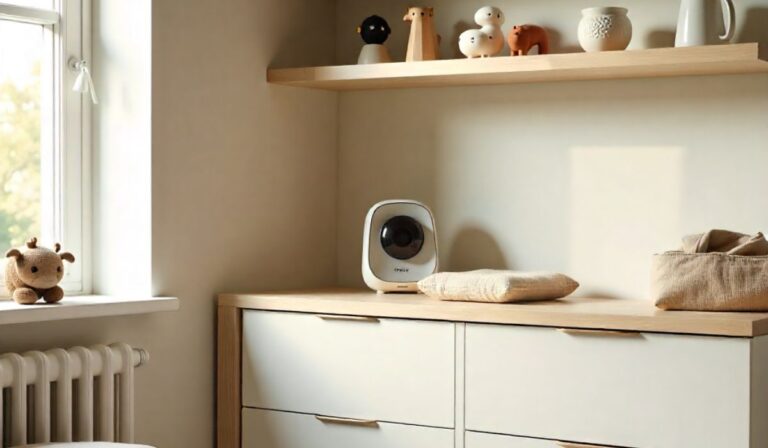
Carbon monoxide detectors are essential for home safety. They provide a vital early warning system to protect you and your family.
Unlike our senses, which can’t detect CO, detectors are designed to identify the presence of this deadly gas.
This part explores the importance of CO detectors, where to place them, and how to maintain them to ensure they function properly. Protecting your home during the Winter Home Safety season depends on effective CO detection.
Why are Carbon Monoxide Detectors Important?
CO detectors are an important safety measure for all homes, especially during winter. They provide a crucial layer of protection against the silent killer, offering early warnings and greatly reducing the risk of CO poisoning.
Proper installation and maintenance of these devices are essential to maximize their effectiveness. This helps to safeguard your home and ensure your family’s well-being.
- Early Warning: Detectors alert you to dangerous CO levels before you experience symptoms.
Detectors provide an early warning, sounding an alarm before CO levels reach a dangerous point. This gives you time to evacuate the home and take steps to address the source of the CO.
This early warning system is an important measure of safety and allows for quick action, which can save lives.
- Life-Saving: Detectors can save lives by alerting you to a potentially deadly situation.
By detecting CO, these devices significantly reduce the risk of fatalities. They alert occupants to a potentially dangerous situation before the gas can cause serious harm.
They are a valuable tool in creating a safe living environment for your family. They offer a tangible form of protection by alerting you to a potential problem.
- Peace of Mind: Knowing you have detectors installed provides added peace of mind.
Having CO detectors gives homeowners a heightened sense of security. Knowing that you’ve taken this step can provide comfort, particularly during the winter months when CO risks are heightened.
Regular checks and maintenance of these detectors help ensure their continuous functionality, offering added protection.
Where to Install Carbon Monoxide Detectors
The proper placement of CO detectors is crucial to ensure their effectiveness. The location of the detectors directly affects their ability to sense CO and provide timely warnings.
This section provides detailed guidance on where to install detectors to maximize protection throughout your home. Correct placement ensures that all areas are adequately covered, improving Winter Home Safety.
- Near Sleeping Areas: Install detectors in or near bedrooms, where people sleep.
This is extremely important. Bedrooms are the areas where people spend the most time, especially when they are most vulnerable during sleep.
Placing detectors near sleeping areas means you’re more likely to be alerted if CO levels rise during the night.
The early warning is vital. Installing a detector near each bedroom or within a short distance of them is recommended.
- On Every Level: Place detectors on every level of your home, including the basement.
CO can spread throughout a home, and placement on every level ensures that all areas are monitored.
Even if a problem starts on one level, the detector on other levels can still alert you to potential dangers. This multi-level approach is key to creating a safe environment.
- Outside of Bedrooms: Place detectors outside of bedrooms, away from heating appliances.
Place detectors outside bedrooms for maximum coverage. This ensures that the alarm is heard if an emergency arises while the occupants are asleep.
Also, make sure that the detectors are not placed directly near heating appliances or in areas of extreme temperatures, which may affect their performance. This placement ensures that you will be alerted to a hazard, not just a spike from an appliance.
- Avoid Dead Air Spaces: Install detectors where air circulates freely and is not blocked.
Avoid placing detectors in “dead air” spaces, such as corners or behind furniture, where the gas might not reach them quickly.
The detector must have access to circulating air to detect CO efficiently. Maintaining clear and open areas around the detectors will give you the best protection.
Maintaining Your Carbon Monoxide Detectors
Regular maintenance ensures that your CO detectors are working properly and will provide reliable protection when needed.
Proper care includes testing, battery replacement, and periodic checks. This section explains how to maintain your detectors for continued safety. Making sure your detectors are in top condition is a key step for Winter Home Safety.
- Test Regularly: Test detectors monthly to ensure they are functioning.
Testing your CO detectors monthly is a simple but important step. It’s a great habit to start and to confirm that the detector’s sensors and alarms are working correctly.
Most detectors have a test button. Pressing this button will simulate a CO event, allowing you to hear the alarm. Make a note to check each detector every month. If there is a problem, it can be addressed early on.
- Replace Batteries: Replace batteries at least once a year, or as recommended by the manufacturer.
Many detectors are battery-powered, so regular battery replacement is essential. Replace the batteries every year, or as indicated by the manufacturer’s instructions, to ensure the detector will work when it’s needed.
Consider changing the batteries when you change your clocks for Daylight Saving Time. This will help you remember. Keeping fresh batteries will ensure your safety.
- Replace Detectors: Replace detectors every 5-7 years, as recommended by the manufacturer.
CO detectors don’t last forever. They have a limited lifespan because the sensors can degrade over time.
Check the expiration date on your detectors and replace them as recommended by the manufacturer. If you are unsure, you can check the age of the detector on the back or in the instruction manual.
Older detectors can be less reliable and won’t provide the same level of protection. Replacing older ones is key for safety.
Safe Practices for Heaters and Generators
The correct use of heaters and generators is very important for Winter Home Safety. These appliances can be invaluable during power outages or when extra warmth is needed, but they also introduce risks that need to be carefully managed.
Understanding how to use these devices safely is essential to protect your home. This section outlines key safety guidelines for heaters and generators, focusing on preventing CO buildup and fire hazards.
Safe Use of Portable Heaters
Portable heaters can provide quick and convenient warmth, but they require cautious use to prevent CO poisoning and fire hazards.
Adhering to manufacturer guidelines, providing proper ventilation, and exercising caution when using heaters will keep your home safe.
This portion explains the key safety rules that should be followed for their safe and effective operation.
- Ventilation is Key: Always ensure adequate ventilation when using portable heaters.
Portable heaters often use fuels that need oxygen for combustion, and if they are used in a closed space, they can deplete the available oxygen.
Proper ventilation brings fresh air into the room. Keep a window slightly open while using these heaters.
This prevents CO buildup and ensures safe use. If you are uncertain about the correct ventilation, make sure you look up the instructions from the manufacturer.
- Fuel Storage: Store fuel in well-ventilated areas, away from living spaces.
Safe fuel storage is crucial for preventing fires and explosions. Always store fuel, such as kerosene or propane, in approved containers in well-ventilated areas, such as a detached shed or garage. Keep them away from living areas.
Make sure they are also stored away from heat sources or open flames. Proper fuel storage reduces fire hazards. This is an important step in Winter Home Safety.
- Maintain the Heater: Regularly inspect and maintain your portable heater.
Regular maintenance ensures that your heater is operating efficiently and safely. Clean the heater regularly, removing dust and debris that can build up over time.
Check the fuel lines and burner for any signs of damage or wear. Also, check to see if the heater is operating on a level surface to make sure that it’s burning properly. Keeping your heater in good condition is important for your safety.
- Never Leave Unattended: Do not leave a heater unattended, especially at night or when you are away.
A portable heater can be a source of danger if left unattended. If you are sleeping or leaving the house, it is best to turn it off.
This prevents potential hazards, such as accidental tip-overs or malfunctions. Always keep children and pets away from the heater to avoid any accidents. Taking these precautions protects your home.
Safe Operation of Generators
Generators offer power during outages, but they also pose considerable safety risks. Proper operation, including safe placement and maintenance, is essential to minimize the danger of CO poisoning and electrical hazards.
This part highlights essential safety practices for generator use, emphasizing what you need to do to operate a generator safely and maintain Winter Home Safety.
- Outdoor Placement: Always place generators outdoors, at least 20 feet away from your home.
Generators produce high levels of CO, and this gas can quickly accumulate to dangerous levels if they are operated indoors or in enclosed spaces.
Always place the generator far away from your house, windows, doors, and vents. This helps to prevent CO from entering your home. Proper placement is essential for safety and protects everyone.
- Safe Distance: Maintain a safe distance from windows, doors, and other openings.
The exhaust from a generator must be kept away from windows, doors, and vents to stop CO from entering your home.
Even if the generator is outside, the wind can blow the exhaust back inside. Make sure there is plenty of space for ventilation. Take precautions to keep you and your family safe.
- Proper Wiring: Use heavy-duty extension cords or a transfer switch for safe power distribution.
Connecting a generator directly to your home’s electrical system can be very dangerous. It can also cause damage.
To safely connect a generator, use heavy-duty extension cords rated for outdoor use. Also, you could install a transfer switch, which allows you to safely connect the generator to your home’s electrical panel.
It isolates the generator from the utility lines. Consult with a qualified electrician to ensure proper and safe wiring practices.
- Fueling Safety: Fuel generators outdoors, away from open flames.
Fueling a generator can pose a fire hazard. Always fuel the generator outdoors, away from any potential ignition sources, such as open flames or sparks.
Turn off the generator and let it cool before fueling. Keep a fire extinguisher close by. Safe fueling practices minimize the risk of fire and explosions. They are key steps in maintaining Winter Home Safety.
Additional Safety Tips for Heaters and Generators
Beyond the primary safety guidelines for heaters and generators, there are other important steps you can take to keep you and your family safe.
Understanding these additional measures ensures that you are fully prepared to handle the risks associated with these appliances.
The following steps include fire safety, fuel storage, and emergency preparedness. These steps add additional layers of protection for Winter Home Safety.
- Fire Safety: Keep flammable materials away from heaters and generators.
Fire safety is always a top priority. Keep flammable materials, such as curtains, furniture, and paper, away from heaters and generators.
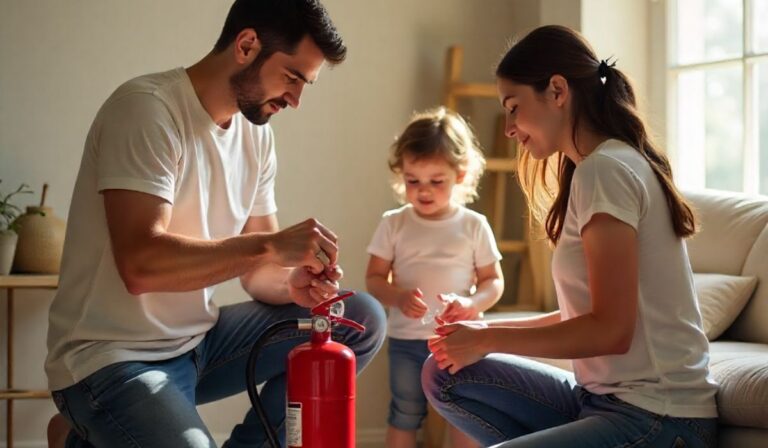
This prevents accidental fires. Also, it’s a good idea to have a fire extinguisher on hand and know how to use it. Making sure your house is free from hazards adds another layer of security.
- Fuel Storage: Store fuel in approved containers, away from your home.
Always store fuel in approved containers, and store them outdoors, away from your living spaces. This minimizes the risk of fire or explosions, should a leak or spill occur.
Store the fuel in a well-ventilated area. This also provides additional protection for you and your family.
- Emergency Plan: Develop an emergency plan for power outages, including CO safety.
It’s important to develop an emergency plan for power outages. Include steps for CO safety, such as knowing the signs of CO poisoning, having working CO detectors, and knowing what to do if the alarms sound. Making an emergency plan can help minimize risks and can help you prepare for any situation.
Home Heating System Maintenance and Safety
Regular maintenance of your home’s heating system is one of the most proactive steps you can take to ensure Winter Home Safety.
A well-maintained heating system is not only more efficient but also less prone to malfunctions that could lead to CO leaks or other safety risks.
This section provides detailed guidance on maintaining your heating system to help keep your home and family safe and warm during the winter. Doing so is an important step to safeguard your home and family.
Regular Inspections and Maintenance
Regular inspections and maintenance are crucial to the safe operation of any heating system. Annual inspections and proper upkeep can identify and address potential problems.
This protects against CO leaks and improves the system’s efficiency and longevity. The following points cover some of the steps required to keep your heating system running safely.
- Annual Professional Inspection: Schedule an annual inspection by a qualified HVAC technician.
An annual professional inspection is key. A qualified technician can identify any potential issues, such as cracks in the heat exchanger, blockages in the flue, and other safety concerns.
They can also ensure the system is operating at its peak efficiency. The inspection should include checking the system’s components and verifying its overall performance. They can also identify and fix potential problems.
- Check the Flue or Chimney: Have the flue or chimney cleaned and inspected annually.
The flue or chimney vents exhaust gases outside, so it is important to keep it clean. Soot and debris can accumulate over time, blocking the flue and preventing proper venting.
A professional inspection and cleaning will help make sure there are no blockages. Make sure that the vent is free of any obstructions. This ensures that the gases safely exit the home.
- Change Air Filters Regularly: Replace or clean air filters as recommended by the manufacturer.
Dirty air filters restrict airflow and can make the heating system work harder, reducing its efficiency.
The filters can also trap dust and debris, which can impact air quality. Replacing the filters as recommended improves the system’s performance. By doing so, you can ensure that the system runs smoothly and can keep your home warm.
Detecting and Addressing Potential Issues
Being able to identify and deal with potential problems early is vital for keeping your heating system safe.
Pay attention to any unusual signs that may indicate a problem, such as strange odors or changes in the flame.
This helps you to identify issues before they can pose any safety risks. Knowing what to watch for and how to react will protect your home and everyone in it. This promotes a Winter Home Safety plan.
- Check for Unusual Odors: Be alert to any unusual odors, such as a burning smell.
Unusual smells can signal a problem. A burning smell, for example, could indicate overheating or a malfunctioning component.
Any unfamiliar or persistent odors should be investigated immediately. Turn off the system if a smell persists. Contact a professional to inspect the system.
- Observe the Flames: Check the burner flames for color and stability.
The burner flame should be a steady blue color. A yellow or flickering flame may indicate incomplete combustion.
That means there may be a potential for CO production. Any signs of an abnormal flame should be addressed by a professional. This way, any risks can be identified before they turn into a problem.
- Listen for Strange Noises: Unusual noises, such as rattling or hissing, may indicate a problem.
Unusual noises can indicate a mechanical problem. These sounds should be investigated promptly. The sound of rattling might indicate a loose part.
Hissing could point to a gas leak. All unusual noises should be checked by an HVAC professional to ensure the system is operating correctly. This reduces the risk of further issues.
Ventilation and Airflow Considerations
Proper ventilation and airflow are essential for safe and efficient heating. Adequate airflow ensures that the heating system can operate properly and that dangerous gases can be vented safely.
Here are important factors to consider in making sure the air circulates freely and the system functions properly to maintain Winter Home Safety.
- Ensure Proper Ventilation: Make sure vents and registers are not blocked.
Blocking vents and registers can restrict airflow. This can impact the system’s efficiency and potentially cause a buildup of harmful gases.
Ensure that furniture or other items aren’t blocking these openings. Free air circulation is important for both the efficient heating and safe operation of your heating system. Checking periodically helps to keep your family safe.
- Check for Leaks: Inspect ducts and vents for leaks or damage.
Damaged or leaking ducts and vents can lead to energy loss and air quality issues. They may also allow dangerous gases to enter your home.
Regularly inspect these components for any signs of damage. Have any leaks or damage addressed immediately by a professional. This can help to prevent potential problems.
- Maintain Air Quality: Use a humidifier if the air is too dry, but avoid excessive humidity.
Maintaining good air quality is important for comfort and health. Dry air can be uncomfortable, but excessive humidity can encourage mold growth.
If the air is too dry, using a humidifier can make it more comfortable. Avoid too much humidity, as that can lead to problems. By following these steps, you can help make your home safe.
FAQ Of Winter Home Safety
What are the first signs of carbon monoxide poisoning?
Early symptoms of carbon monoxide poisoning include headache, dizziness, fatigue, and nausea. These symptoms can often be mistaken for the flu.
How often should I test my carbon monoxide detectors?
You should test your carbon monoxide detectors at least once a month to ensure they are working properly.
Where should I place a carbon monoxide detector in my home?
Place carbon monoxide detectors on every level of your home, especially near sleeping areas and outside of bedrooms.
What should I do if my carbon monoxide detector goes off?
If your CO detector sounds, immediately evacuate your home and call the fire department or 911. Do not re-enter the home until it has been inspected and cleared by the authorities.
How can I prevent carbon monoxide poisoning during winter power outages?
To prevent CO poisoning during outages, never use generators or portable heaters indoors. Always place generators at least 20 feet away from your home and ensure proper ventilation if using alternative heating methods.
Final Thoughts
Preventing carbon monoxide poisoning during the winter months requires a combination of awareness, preventative measures, and prompt action.
Recognizing the sources of carbon monoxide, such as malfunctioning heating systems, improperly used heaters, and generators, is the first step.
Installing and maintaining carbon monoxide detectors is essential. Make it a routine to test your detectors monthly and